






Introduction
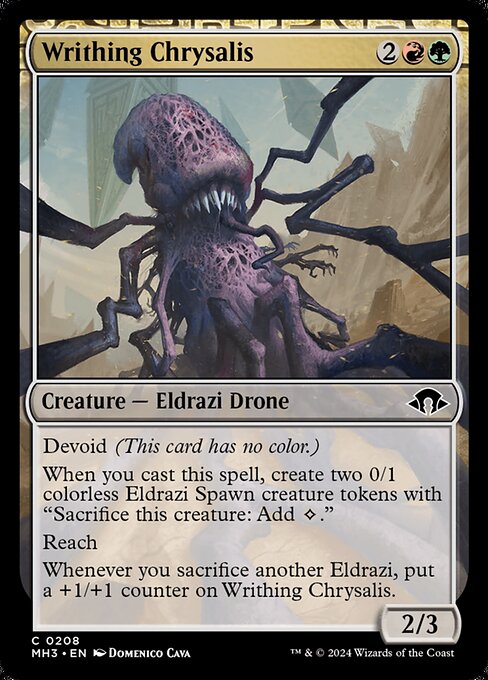
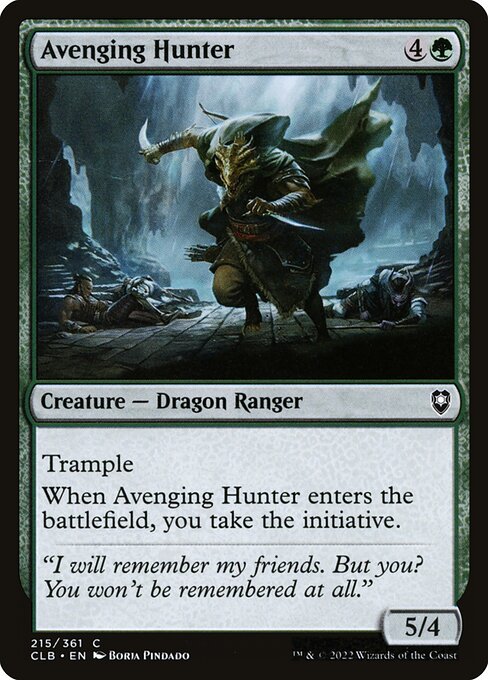
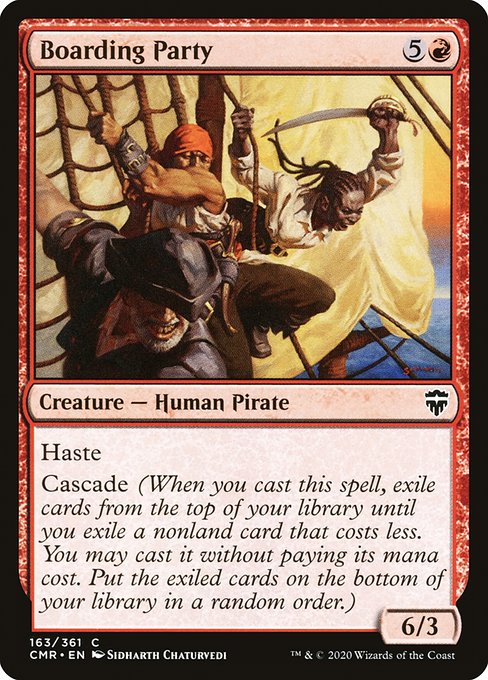
Gruul Ramp is a green-red deck that makes an absurd amount of mana off a single Forest and spends it on creatures that arrive turns ahead of schedule. Arbor Elf, Utopia Sprawl, and Wild Growth build the mana, and Writhing Chrysalis, Avenging Hunter, and Boarding Party spend it. It is a small slice of the field at 1.3%, which is part of its appeal: most opponents have not practiced against it and misjudge how quickly the big creatures show up.
The results back the deck up. Brickhouse8 won Lotus Cup 2 with it on August 1, benjamin13 finished sixth at the September 6 Pauper Challenge, and Niederschatten took fifth at the September 1 Challenge, with a steady run of 5-0 league finishes through August and September behind them.
The deck beats the slower control and midrange decks that try to answer its threats one at a time, and the big-mana decks that aim to go over the top but get there later than we do. It is favored against Monster Tron, Jeskai Ephemerate, Jund Wildfire, Mono Red Rally, Dimir Faeries, Golgari Gardens, Naya Gates, Ephemerate Tron, Cycle Storm, and Izzet Terror, and slightly favored against Mono Blue Faeries.
It struggles against fast creature decks that can kill the mana creature or the enchanted land in the first turns and then race, and against the fastest combo decks, such as Ruby Storm and Spy Combo, that ignore the board and win before our threats land. It is slightly unfavored against Grixis Affinity, and unfavored against Blue Terror, Mono Red Madness, Spy Combo, Elves, White Aggro, Black Sacrifice, Ruby Storm, and Bogles.
General Strategy
Gruul Ramp wants to play a Forest, put a ramp piece on it, and then cast a creature the opponent cannot profitably block or remove every turn for the rest of the game. The deck does not try to interact with what the opponent is doing; it tries to be so far ahead on mana that its threats are bigger, arrive sooner, and bring extra cards with them. The single most important thing you do as the pilot is build the mana in the first two turns and convert it into a threat immediately, rather than sitting on it. Every turn that Arbor Elf and an enchanted Forest are on the battlefield without a Writhing Chrysalis, Avenging Hunter, or Boarding Party following them is a turn the opponent gets to find an answer to the engine.
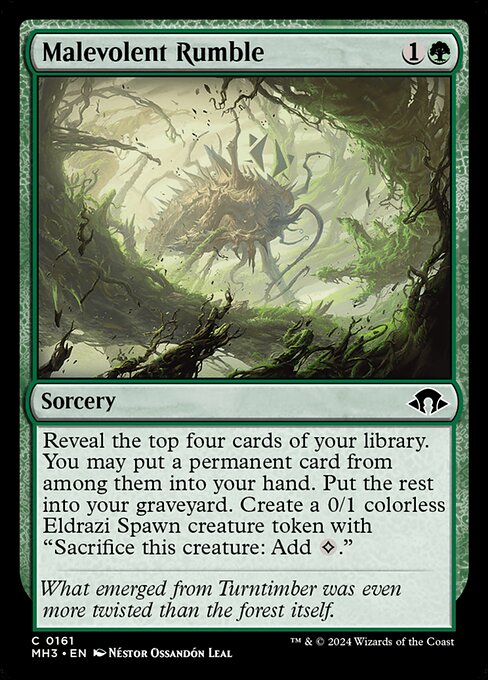
The engine is four cards. Utopia Sprawl and Wild Growth each make a Forest produce an extra mana every time it is tapped, so one Forest wearing both taps for three. Arbor Elf untaps that Forest, and the untapped land collects every aura bonus again, so a single enchanted Forest plus the Elf is four mana with one aura on it and six with both auras stacked. Malevolent Rumble is the fourth piece: it digs four cards deep for a land, a ramp piece, or a threat, and leaves behind an Eldrazi Spawn that later sacrifices for a mana of its own.
A game breaks into three phases. Setup is a Forest and a one-mana ramp piece on the first turn, ideally Arbor Elf, because the Elf on turn one is what allows Utopia Sprawl naming red on turn two to produce four mana and a Writhing Chrysalis. The payoff phase starts the turn after: Avenging Hunter takes the initiative and starts venturing every upkeep, and Boarding Party cascades into a free spell and attacks with haste the turn it lands. The close is combat: a 5-power trampler and a 6-power haste attacker on the board by turn three, with the Eldrazi Spawn sacrificing to pay for the next threat and growing Writhing Chrysalis along the way. Every win condition in the deck, from up through and , wins by attacking.
The Cards
Arbor Elf
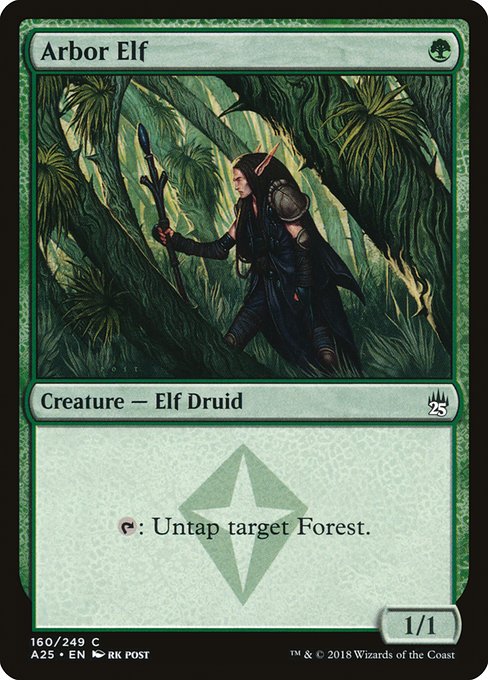
The Elf is the reason the whole deck is built on Forests. It untaps a Forest specifically, not any land, so it does nothing with a Mountain and nothing on its own beyond being a 1/1. With an enchanted Forest it is worth two or three mana every turn, and it is the only ramp piece that lets the turn-two four-mana play happen: a Forest with Utopia Sprawl taps for two, the Elf untaps it, and it taps for two again. Cast it on turn one whenever you have it, ahead of either aura, because an aura cast off a lone Forest adds nothing on the turn it lands, and the Elf needs a turn to shake off summoning sickness before it can untap.
Utopia Sprawl
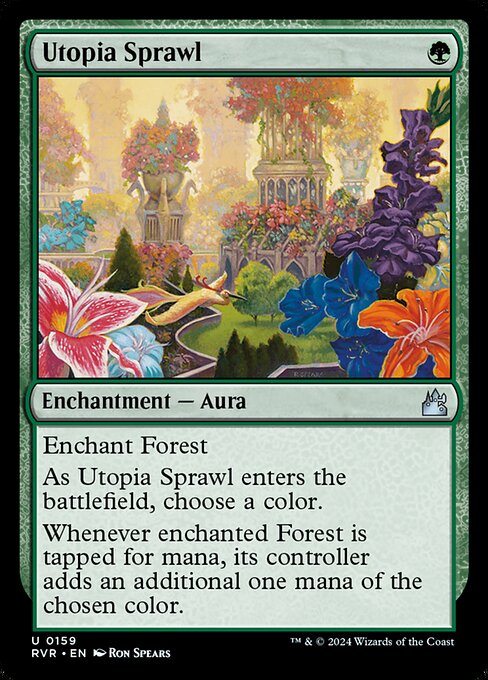
The stronger of the two auras, since it only goes on a Forest anyway and the chosen color fixes our red. Almost every red mana this deck ever produces comes from a Sprawl naming red, one of the two Mountains, or a Jewel Thief Treasure, so the Sprawl on the Elf's Forest is typically the red source that casts Writhing Chrysalis and Boarding Party. The aura sits on the land, not the Elf, so killing the Elf leaves a two-mana Forest behind.
Wild Growth
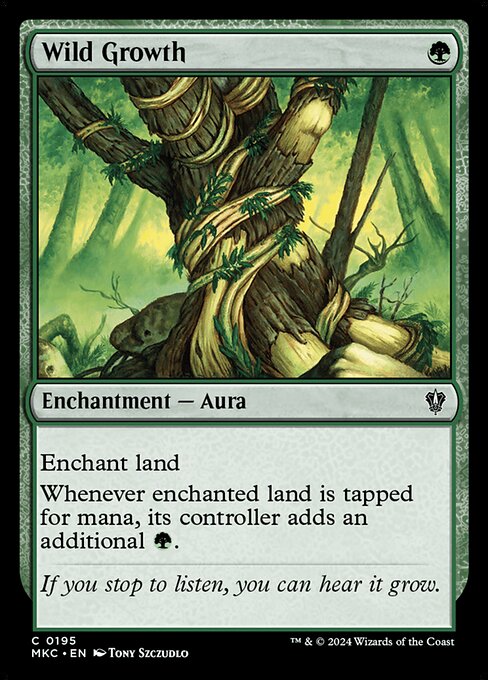
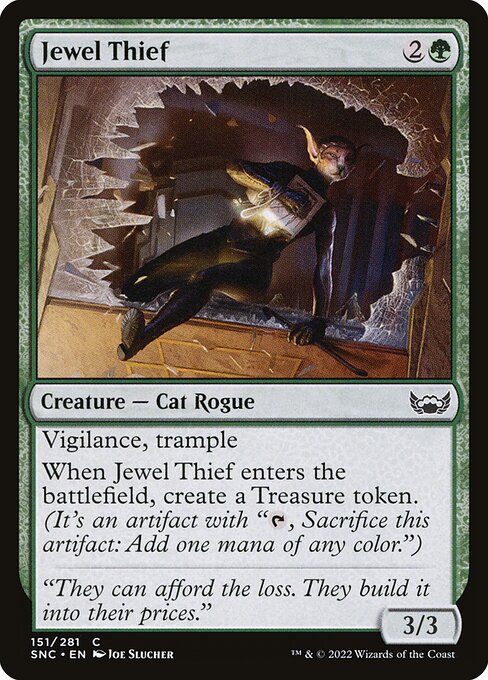
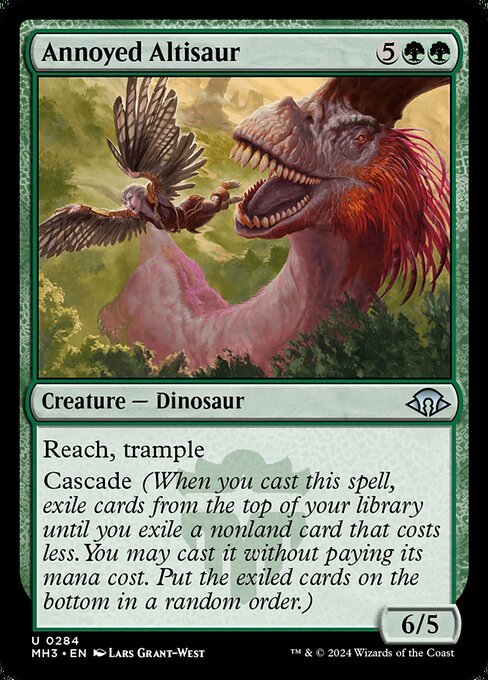
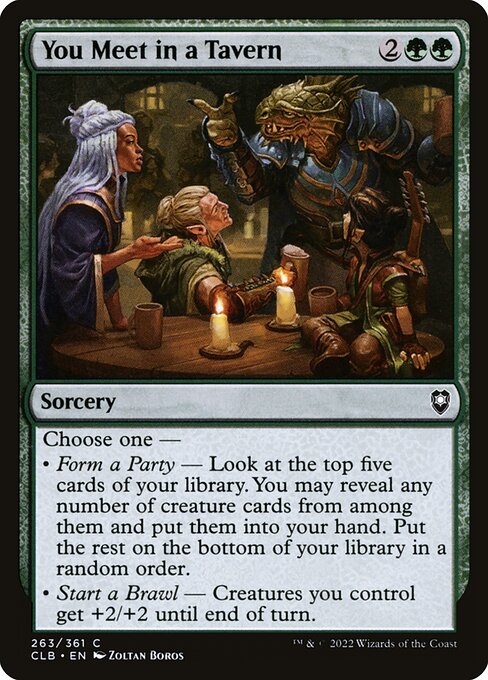
The second copy of the same effect, with the one difference that it produces green only and can go on any land. It belongs on the same Forest as Utopia Sprawl, and the stacking costs nothing on the turn you do it. On the play with two Forests, Arbor Elf, both auras, You Meet in a Tavern, and Annoyed Altisaur: turn one is Forest and the Elf. Turn two, the second Forest pays for Sprawl naming red on the Elf's Forest, that Forest taps for two, one of those casts Wild Growth on the same Forest, the Elf untaps it, and it now taps for three. That is four mana in the pool with Tavern in hand, and Tavern's search mode turned up , , and from the top five. Turn three, the stacked Forest taps for three, the Elf untaps it for three more, and the plain Forest makes seven: on turn three off two lands.
Role Assignment
Gruul Ramp is a linear, tempo-positive ramp deck with almost no interaction and medium inevitability. Every matchup is decided on the same few axes: whether the opponent can break the mana engine before the oversized creatures arrive, how well their removal lines up against 5- and 6-power bodies backed by Eldrazi Spawn, who holds the initiative, and raw speed. Our stance in each class follows from which of those axes the opponent can actually contest.
Vs. Aggro. Against fast creature decks we are the control, even though our creatures are bigger. They are the beatdown because they can kill Arbor Elf on turn one and attack past a hand full of five-drops before the mana rebuilds, and their cheap creatures connecting with us is exactly how the initiative changes sides. The play that shows the role is holding the two Eldrazi Spawn from Writhing Chrysalis back as chump blockers rather than sacrificing them for mana, and waiting to cast Avenging Hunter until the board can keep their creatures from dealing combat damage to you. Stabilize first; the top end wins on its own once the board is under control.
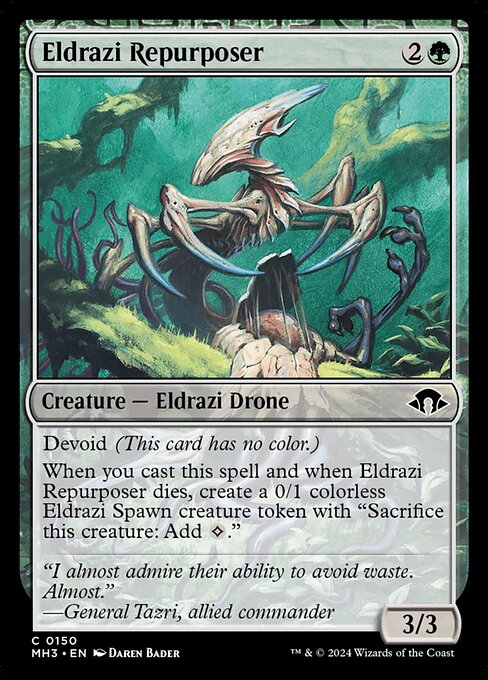
Vs. Midrange. Against fair midrange decks we are the beatdown, and the axis is removal quality. Their plan is to trade one card for one card and win on card quality, and our cascade creatures break that math: Boarding Party cascading into a free spell means one removal spell answers half a card, and Eldrazi Repurposer leaves a Spawn behind either way. The demonstrating play is simply casting the biggest threat available every turn and forcing them to have an answer each time. Edicts are where they are weakest against us whenever a Spawn token is on board, but the tokens only arrive when Writhing Chrysalis or Eldrazi Repurposer is cast and they are often already spent for mana, so an edict on a Spawn-less board takes a real creature instead.
Vs. Control. Against counterspell and sweeper decks we are unambiguously the beatdown, and a tempo-positive deck with medium inevitability cannot afford to wait for a perfect window. Counters are worst against our threats that pay off on cast: Writhing Chrysalis and Eldrazi Repurposer make their tokens and Boarding Party cascades whether or not the spell resolves. The play is jamming those into open mana on the earliest turn they can be cast, then resolving against a board that has no creatures to take the initiative back, which turns our medium inevitability into a clock they have to answer.
Play Patterns
Put Utopia Sprawl and Wild Growth on the same Forest, the one Arbor Elf untaps. The Elf untaps one Forest, and every untap collects the bonus from every aura on that land, so with two Forests and the Elf in play, two auras on one Forest make seven mana where one aura on each of two Forests makes six. Spreading them out, or dropping Wild Growth on a Mountain the Elf cannot touch, leaves the same cards producing less mana every turn for the rest of the game. The cost is concentration risk: land destruction or bounce on that Forest takes the whole engine with it, which is a reason to hold the second aura until you have a threat to spend the mana on, not a reason to split them.
Sacrifice Eldrazi Spawn at instant speed to grow Writhing Chrysalis: after blockers are declared, or in response to a damage spell, even when the mana is thrown away. The Spawn's sacrifice is a mana ability, so nobody can respond to it, and the +1/+1 counter trigger goes on the stack above whatever the opponent already committed to and resolves first. A block that was going to kill a 2/3 is suddenly into a 3/4 or 4/5, and a burn spell sized for 3 toughness no longer kills the creature. The baseline version of the same trick is doing it in your main phase for the mana. With a Forest wearing Wild Growth, the Elf, a second Forest, and a Mountain, turn three taps out for six and casts Chrysalis with its two Spawn. Next turn the same three lands plus both Spawn are eight mana, Annoyed Altisaur comes down off seven of it, and the two sacrifice triggers leave Chrysalis a permanent 4/5 that attacks that same turn.
Cast Writhing Chrysalis, Eldrazi Repurposer, and Boarding Party into open counterspell mana without waiting. The Spawn tokens and the cascade are cast triggers: they go on the stack as separate objects the moment the spell is cast and resolve even if the creature itself is countered. That makes these three the correct threats to lead with against a deck holding up mana, while pays off only on resolution and should follow once the counters have been drawn out.