

Introduction
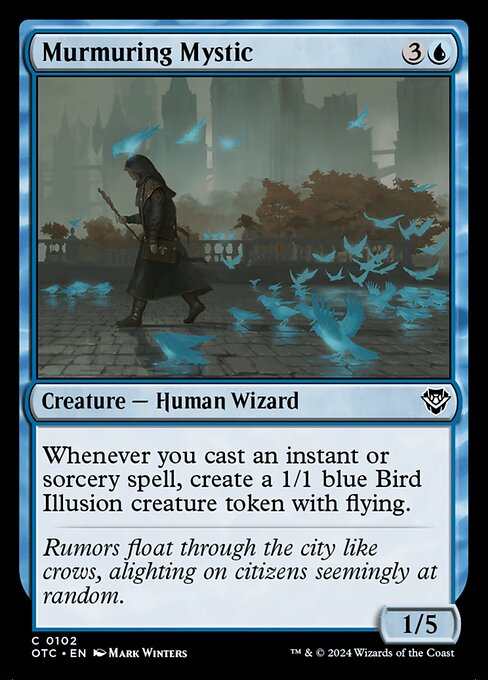
Familiars is a white-blue deck built around Sunscape Familiar: the wall makes every blue spell cheaper, and Ephemerate and Ghostly Flicker keep reusing Mulldrifter and Archaeomancer until the opponent is buried in cards or Murmuring Mystic's flying Birds take over the game. It occupies a small slice of the Pauper field, at 1.4%, and that suits it: the deck is demanding to play, so few opponents come prepared for its lines. The recent record is strong for such a small share. Azorius Familiars finished second at Paupergenesis on July 12 with another copy in the Top 16, TSPJendrek took 3rd at the August 1 Pauper Challenge, and copies have kept posting 5-0 League results and Challenge finishes through mid-September.
The deck beats fair midrange decks that try to trade one for one and get buried once the loop is running, and combo decks that have to resolve a key spell through counterspells while the walls make their clock irrelevant. It is favored against Monster Tron, Spy Combo, Mono Red Rally, Dimir Faeries, White Aggro, and Naya Gates, and slightly favored against Mono Red Madness, Jund Wildfire, Ephemerate Tron, and Ruby Storm.
It struggles against aggressive blue decks that back cheap threats with instant-speed removal and counterspells, picking off the engine creatures before the loop starts, and against control decks that can fight the late game on their own terms instead of getting out-carded. It is slightly unfavored against Elves, and unfavored against Blue Terror, Mono Blue Faeries, Gruul Ponza, Grixis Affinity, Dimir Terror, Golgari Gardens, Black Sacrifice, Bogles, and Cycle Storm.
General Strategy
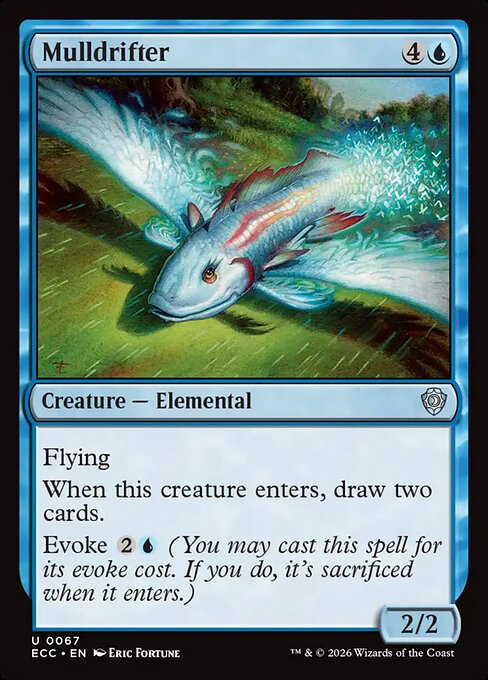
Familiars wants to resolve Sunscape Familiar early, keep it alive, and then spend every turn casting discounted blue spells that replace themselves. Mulldrifter draws cards, Archaeomancer picks Ghostly Flicker or Snap back out of the graveyard, and Ephemerate and Ghostly Flicker make those creatures enter again, so the same handful of cards produces a fresh two-for-one every turn. The priority above all others is protecting that loop: Sunscape Familiar and Archaeomancer are the pieces that turn the deck on, and a game in which they survive the opponent's removal is a game the deck expects to win. The walls, the counterspells, and Snap on an attacker exist to buy the turns the loop needs to start; winning is what happens after the opponent's hand is empty and Murmuring Mystic's Birds or Mulldrifter start attacking.
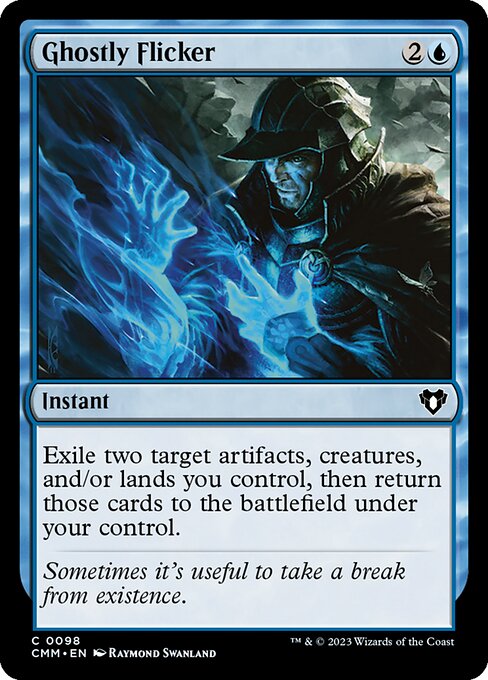
The loop works because of where Ghostly Flicker sits when Archaeomancer's trigger goes on the stack. Flicker has finished resolving and is already in the graveyard, so the trigger targets the Flicker itself, and every flicker hands you the spell to do it again. Each pass through the loop also re-triggers whatever the second target was: Mulldrifter for two more cards, or a tapped basic land that comes back untapped and refunds a mana. With two Sunscape Familiars on the battlefield Ghostly Flicker costs a single blue mana, and the loop stops being a value play and becomes unbounded, all at instant speed. Tap a basic Island for the Flicker, target Archaeomancer and that Island, and the Island returns untapped while Archaeomancer returns the Flicker: every cast gains a life from and makes a flying Bird from , as many times as you like. With two Archaeomancers, flicker both so one trigger returns the Flicker and the other returns ; Snap on an opposing creature untaps two lands, which pays for both spells, so their entire board goes back to hand, and repeating it on each of their turns keeps it empty. Neither loop kills on the spot: the Birds need a combat step and the bounce only clears the way, so the kill lands on the following attack. The Island loop needs a land that returns untapped, so a basic and never or a tapped dual; the Snap loop needs an opposing creature to target; and the single is the bottleneck for both, which is why fetching it back after its first use matters so much.
The Cards
Sunscape Familiar
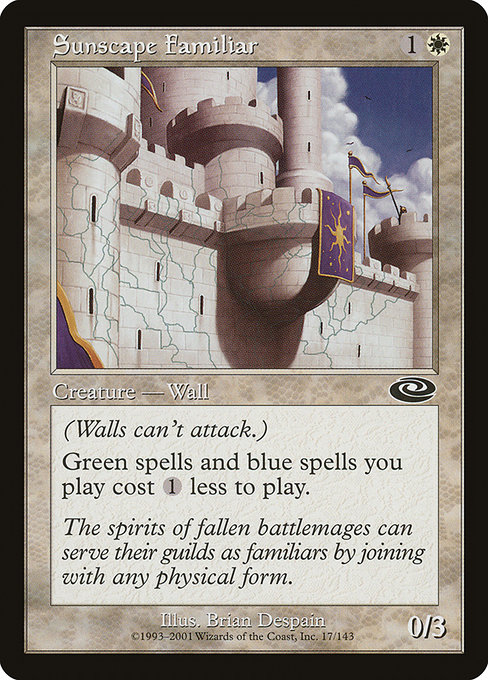
The namesake and the card the whole deck is built to protect. For 
 you get a 0/3 defender that holds off small attackers and shaves a generic mana off every blue spell you cast, which turns Snap and Negate into one-mana spells, Ghostly Flicker into a two-mana spell and Archaeomancer into a three-mana creature. The discounts stack, so a second copy makes Flicker cost a single blue mana and the loop unbounded. The reduction never touches colored mana, and it applies to spells only: cycling costs and the white spells (Ephemerate, Prismatic Strands) stay at full price. Cast it on the second turn whenever you can, and treat removal pointed at it as the most important thing on the stack.
Archaeomancer
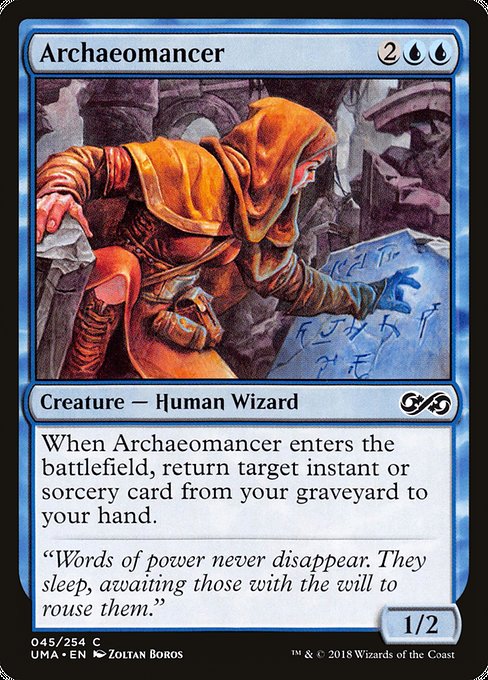
A 1/2 for 
 whose enters-the-battlefield trigger returns an instant or sorcery from your graveyard, which makes it the card that turns every other spell into a repeatable one. Flickered by Ghostly Flicker, it returns the Flicker that just resolved, because the spell is already in the graveyard when the trigger goes on the stack. Outside the loop it retrieves whatever the situation calls for: Snap to bounce the same attacker again, a counterspell before a big turn, or a cycled Lórien Revealed for a full hardcast. It is the second-most-targeted creature you control, so deploy it when mana is available or when the opponent has already spent their removal.
Role Assignment
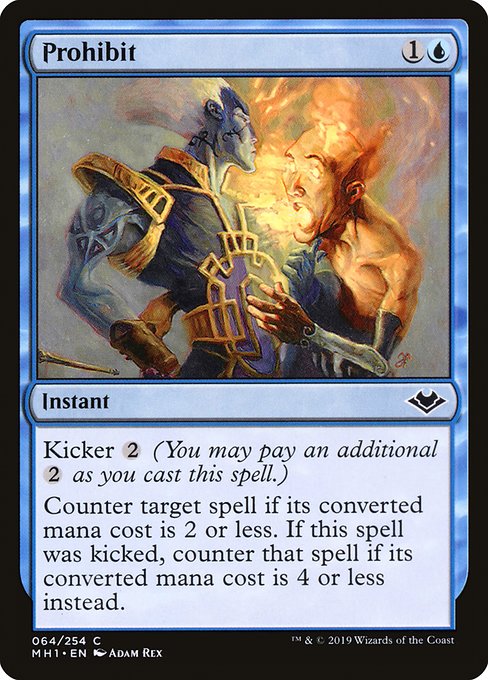
Familiars is a combo-control deck with a slow clock and high inevitability. Its interaction is a bounce spell, Snap, and a pair of soft counters, Prohibit and Negate, rather than true removal, and its early turns are tempo-negative by design: mana goes into walls and card draw instead of pressure. This shape makes the deck the control in almost every pairing. The four axes any matchup turns on are race math (can the opponent end the game before walls, incidental lifegain, and Snap stabilize), removal timing against Sunscape Familiar and Archaeomancer before Ephemerate is up, graveyard access for the Ghostly Flicker loop, and the late game itself, which the deck wins outright if it gets there.
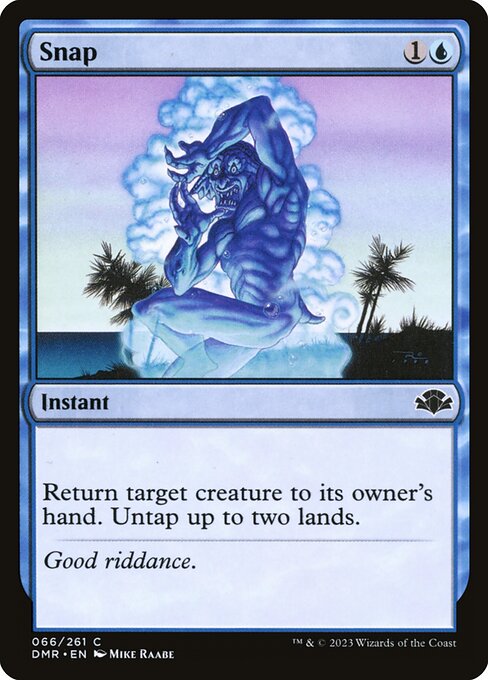
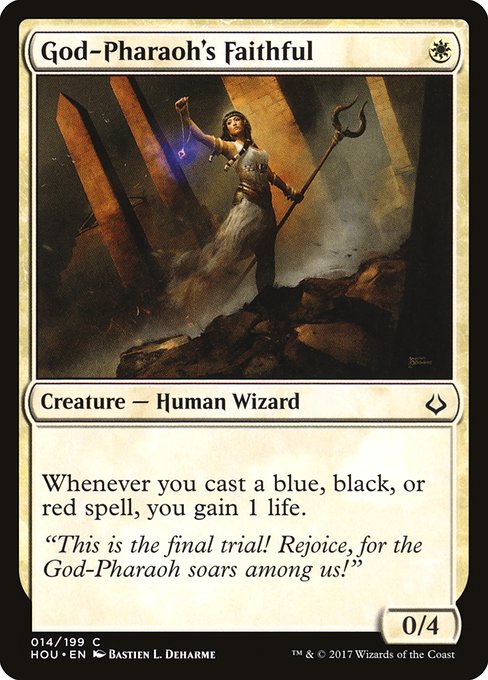
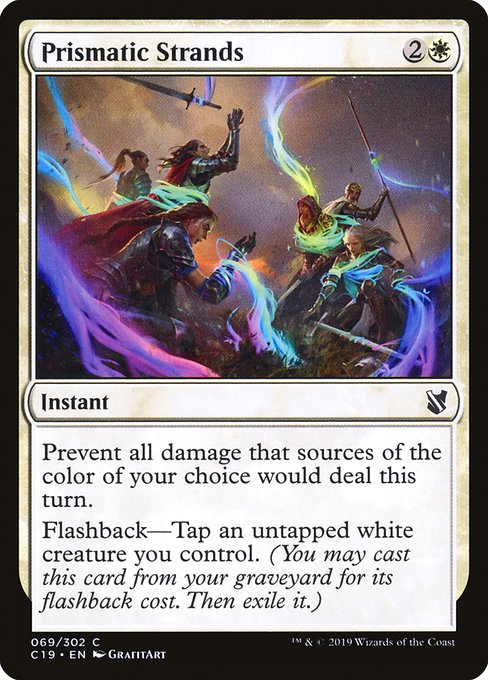
Vs. Aggro. Against aggro you are unambiguously the control, and the only question is the race. Your early creatures are walls, so the plan is to make every attack bad: block with Sunscape Familiar and God-Pharaoh's Faithful, gain incidental life off every blue spell, and hold Prismatic Strands for the one big turn. The play that defines the role is Snap on their best attacker at the end of their turn, untapping two lands to pay for it, then untapping into Archaeomancer to get Snap back so the same creature is bounced again the next turn: each bounce is a turn stolen, and a stolen turn is worth more than any damage you could deal.
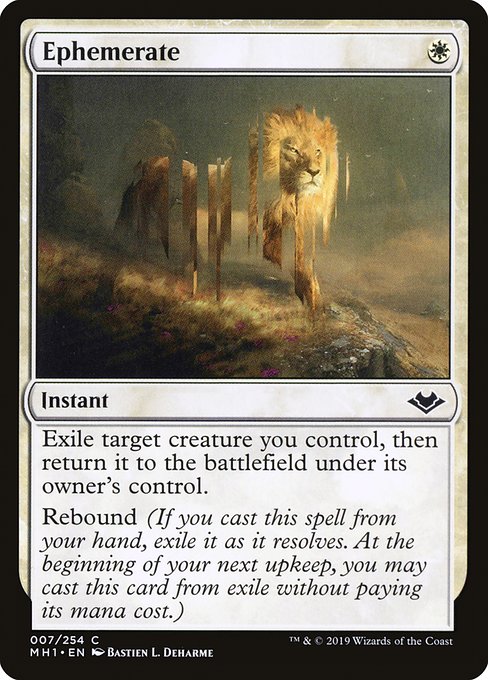
Vs. Midrange. Against midrange you are the control and they have to be the beatdown, whether their cards look like it or not, because a fair deck that trades one for one loses the long game to a loop that draws two cards a turn for free. The axis is removal timing: they will spend their removal on Sunscape Familiar and Archaeomancer, so the defining play is holding Ephemerate and casting it in response, which blanks their spell, saves the creature, re-triggers if that was the target, and hands you another free blink at your next upkeep. Once their removal is gone, tap out for every turn and let the card count decide it.
Play Patterns
Hold Ephemerate and cast it in response to removal on Archaeomancer or Mulldrifter, not on an empty stack for value. The blink returns the creature as a new object, so the removal spell has no legal target and does nothing, while the enters-the-battlefield trigger fires again and gives you the cards or the returned spell a second time. Rebound then hands you a free blink at your next upkeep, which is another card's worth of value or another shield. Spending it proactively on an empty stack buys the trigger but throws away the insurance, and the removal that follows takes the creature for good.
When looping Ghostly Flicker, make Archaeomancer one of the two targets every time, and choose a tapped basic land or a draw creature as the other, never Azorius Chancery. Archaeomancer's trigger is what returns the Flicker from the graveyard so the loop repeats next turn; leave it out and the loop stops. A tapped basic comes back untapped and refunds a mana, whereas Chancery returns tapped and forces you to bounce another land, and with two Sunscape Familiars the basic's refund is exactly what makes the Flicker free and the loop unbounded. The fair version with one Familiar looks like this: Island, then Plains and Familiar, then Island and Archaeomancer, then a fourth land and a hardcast Mulldrifter. With four lands, at the opponent's end step cast Ghostly Flicker for
on Archaeomancer and Mulldrifter: draw two, Archaeomancer returns the Flicker, and the remaining two mana cast it again for two more cards. Four mana became four cards and the Flicker is back in hand for next turn.Do not play Azorius Chancery in the early turns just to make a land drop. It enters tapped and bounces one of your other lands, so a Chancery on the second or third turn costs you a full turn of mana against pressure. Play it once the land it picks up has already produced its mana that turn, or once the bounce is a bonus, such as replaying for another creature on top of the library.