






Introduction
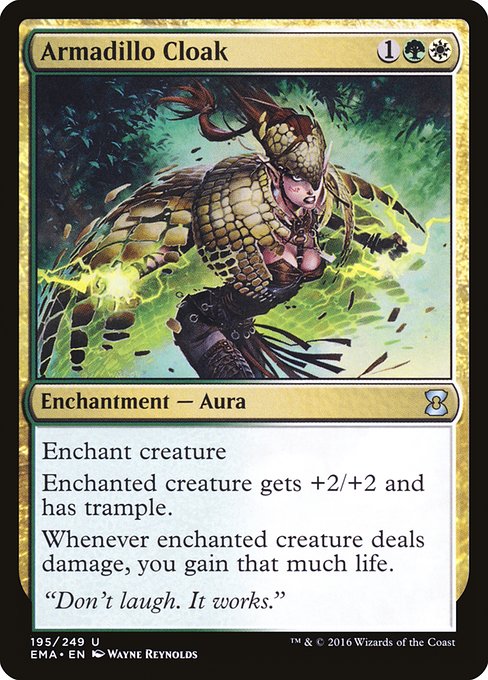
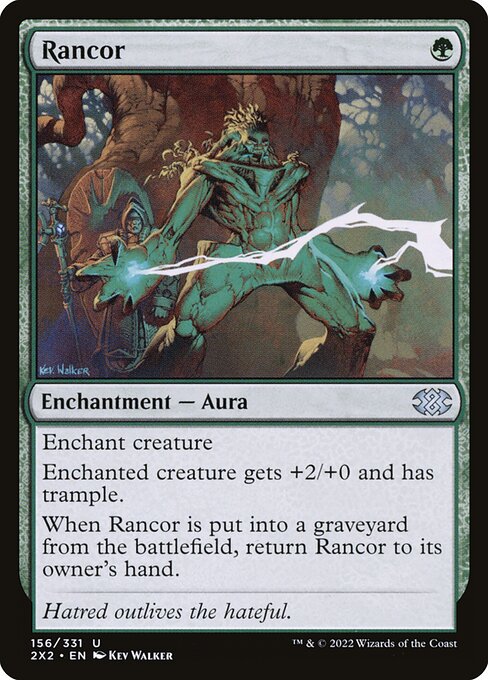
Bogles is a small slice of the Pauper field at 0.9%, but it is a deck that punishes any opponent who shows up with the wrong kind of removal. The plan is to land Slippery Bogle or Gladecover Scout on the first turn and then dress that one hexproof creature in Ethereal Armor, Rancor, Ancestral Mask, and Armadillo Cloak until it is an enormous first-striking, trampling, life-gaining attacker that targeted creature removal simply cannot aim at.
The deck has been on a strong run lately. PedraStone won the September 18 Pauper Challenge at 8-1 and the September 16 Challenge at 7-2 with Bogles, on the back of a 5-0 League run on September 15 and a 2nd-place finish at the September 9 Challenge, and further copies have kept placing in the Top 8 of the Challenge series through September. Earlier in the summer Matteo Mascelloni won the July 12 Pauper 1K with the Selesnya build at 8-0-1.
The deck beats aggressive red decks whose removal is almost entirely targeted and whose damage cannot keep pace with a big attacker that gains life every swing, and it beats the slow ramp and control decks whose answers arrive only after the Aura pile has already made a single attack lethal. It is favored against Mono Red Madness, Monster Tron, Jeskai Ephemerate, Mono Red Rally, Familiars, Ephemerate Tron, Gruul Ramp, and Cycle Storm.
It struggles against blue tempo decks that counter or bounce the Auras rather than trying to kill the creature, against combo decks that ignore the board and win before the attacker matters, against aggro and midrange decks that answer the whole board with sacrifice effects, sweepers, or fliers, and against the one ramp deck that attacks the lands the Auras depend on. It is slightly unfavored against Jund Wildfire, and unfavored against Blue Terror, Mono Blue Faeries, Spy Combo, Elves, Gruul Ponza, Grixis Affinity, Dimir Terror, Dimir Faeries, White Aggro, Black Sacrifice, Naya Gates, and Ruby Storm.
General Strategy
Bogles wants to play exactly one creature and make it the biggest thing on the table. You cast Slippery Bogle or Gladecover Scout as early as possible, and from then on nearly every spell you cast is an Aura for that creature: Ethereal Armor and Rancor first, then Ancestral Mask or Armadillo Cloak. Hexproof means the opponent's targeted removal has no legal target, so the whole fight is whether they find an untargeted answer or an answer to the Auras before your attacks end the game. The single most important thing you do is attack every turn with a creature that is growing faster than they can react.
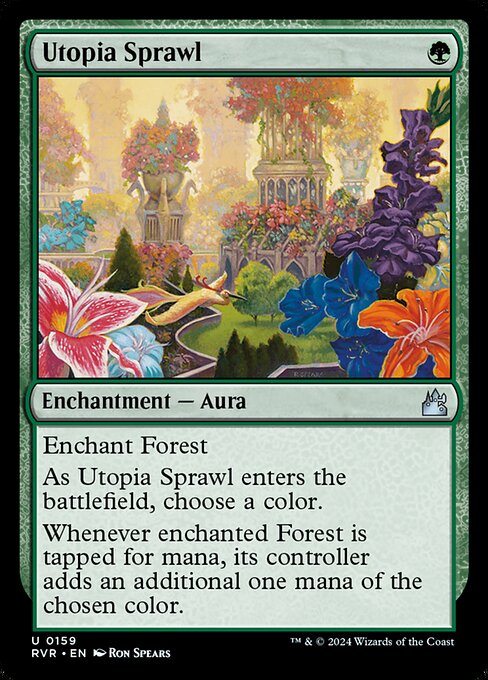
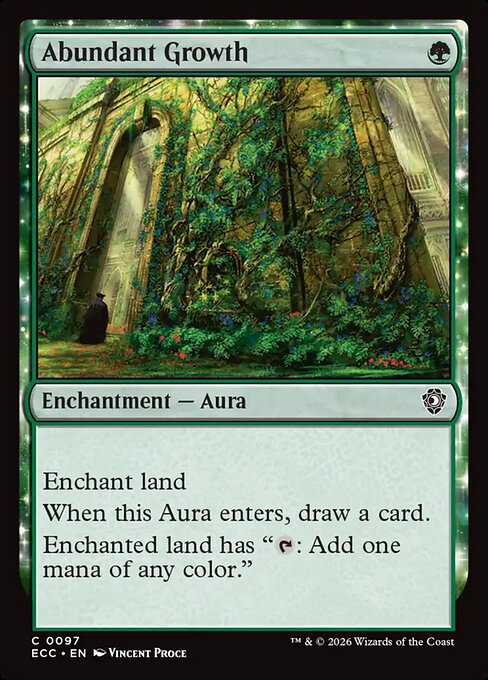
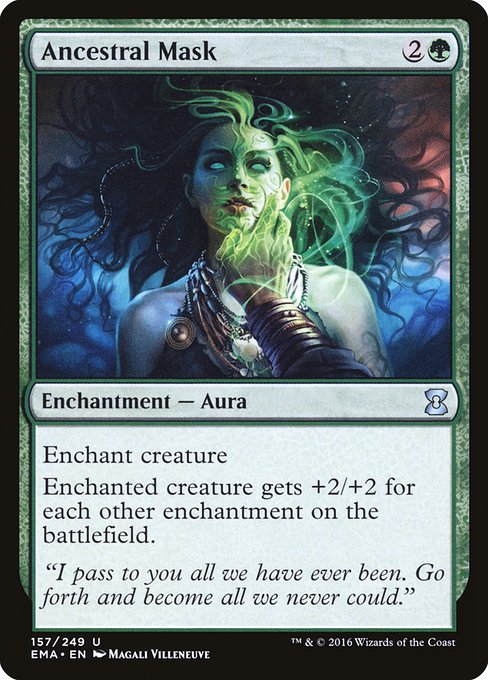
The engine is the way the Auras feed each other. Ethereal Armor gives +1/+1 for each enchantment you control, and Ancestral Mask gives +2/+2 for each other enchantment on the battlefield, so every Aura you add is worth its own printed bonus plus a bump to those two. The land Auras count as well: Utopia Sprawl and Abundant Growth fix your mana, with Sprawl adding an extra mana each turn, and they also make the creature bigger just by sitting on a land. Rancor adds trample and returns to your hand whenever it goes to the graveyard from the battlefield, so it is rarely spent for good, and Armadillo Cloak adds trample and life gain equal to the damage the creature deals, which turns a race the opponent thought they could win into one they cannot.
A game has three phases. Setup is the hexproof creature (Silhana Ledgewalker is the slower third option) plus a land Aura or a one-mana Aura. The payoff is the turn Ancestral Mask or Armadillo Cloak lands and the creature jumps from a nuisance to a must-answer threat. The close is just combat: first strike from Ethereal Armor kills blockers before they deal damage, trample from or pushes the rest through, and , , or wins the game through combat damage alone.
The Cards
Slippery Bogle
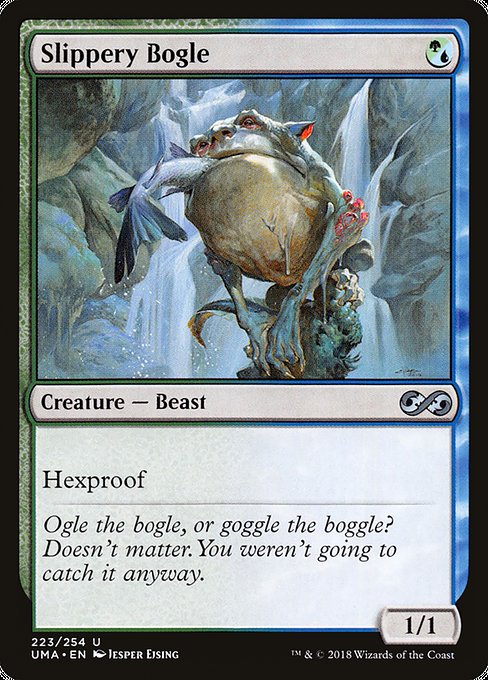
The creature the deck is named for, and Gladecover Scout is the same card under another name: a one-mana 1/1 with hexproof that you want in every opening hand. Neither does anything on its own; the point is that once it is on the battlefield, no targeted spell or ability the opponent controls can ever pick it out, so every Aura you invest in it is safe from the most common kind of interaction in the format. Between the two you have eight copies of the turn-one play, and which one you draw is cosmetic.
Silhana Ledgewalker
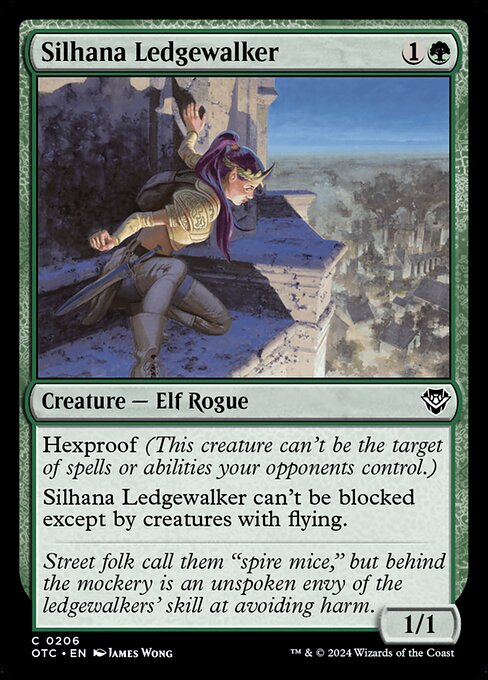
The third hexproof body costs two mana instead of one, and in exchange it can only be blocked by creatures with flying (reach does not help them). Against a ground-based board that means you can skip Rancor and Armadillo Cloak for the trample and simply stack raw size on it. It is the weakest of the three when the opponent's creatures are mostly fliers, since those are exactly the blockers its evasion does not get past, and it is the first creature to trim when that comes up.
Ethereal Armor
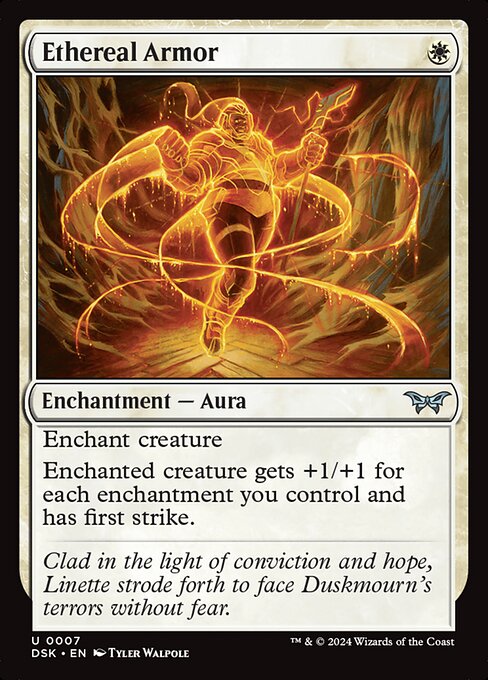
The best one-mana Aura in the deck. It counts every enchantment you control, itself included, so on a board with a land Aura and one other Aura it is already +3/+3, and it keeps growing with every enchantment you add afterward. First strike is the other half of its value: the creature deals combat damage before any blocker without first strike, so a chump blocker dies without touching you, and a deathtouch blocker dies before its damage ever happens. It is the Aura you most want on the second turn, and it needs a white source that early.
Ancestral Mask
Role Assignment
Bogles is a linear, tempo-positive aggro deck with low inevitability and essentially no maindeck interaction, so it is the beatdown in every matchup class. The only question in a given matchup is which of the deck's axes the game is fought on: whether the opponent has untargeted answers such as sacrifice effects or sweepers, whether their interaction arrives before the second or third Aura lands, whether they can answer the Auras themselves with enchantment removal or counterspells, whether they can outrace the life Armadillo Cloak gains, and whether they can block through first strike and trample or prevent the damage outright.
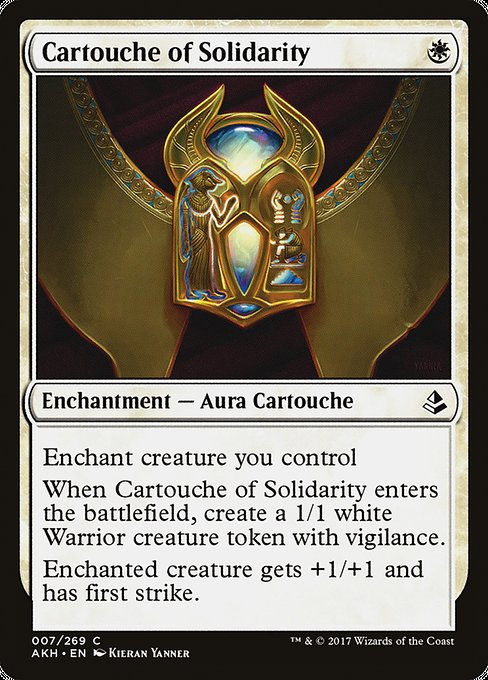
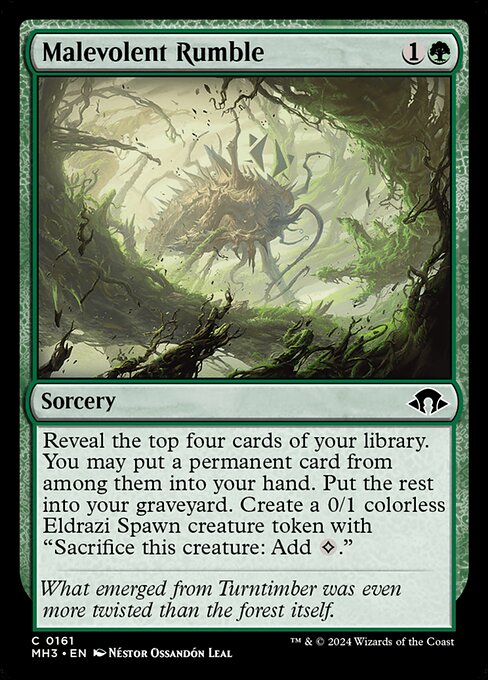
Vs. Aggro. You are still the beatdown, but the race is decided by life totals rather than by tempo, and Armadillo Cloak is the card that decides it. Against a board of small attackers your one creature cannot block everything, so the play that defines the role is casting Cloak as your first three-mana Aura and attacking: a single trampling hit gains back as much life as it deals, so a big enough hit erases everything their team has dealt so far, and from then on every turn widens the gap. The danger in this class is untargeted removal from a sweeper or a sacrifice effect, so keep the Eldrazi Spawn from Malevolent Rumble or the Warrior from Cartouche of Solidarity on the battlefield rather than trading it away.
Vs. Midrange. You are the beatdown against a deck built to trade one for one, because their removal has no target and their creatures cannot block a first striker with trample profitably. The axis here is untargeted answers: a midrange opponent with sacrifice effects is the one that actually beats you, so the defining play is deploying a second body before the first big attack and refusing to enchant it, so that the edict takes the spare while Rancor and Ethereal Armor keep the real threat swinging.
Vs. Control. You are unambiguously the beatdown, and the fight is over the Auras rather than the creature. A counterspell on Ancestral Mask or Armadillo Cloak costs you the turn, and enchantment removal undoes several turns of work, so the play that shows the role is sequencing the cheap Auras first: Ethereal Armor and either resolve and start the clock or draw out a counter that would otherwise hit the three-mana payoff. Speed is the whole matchup, since a control deck that reaches its sweepers and card advantage with the creature still small will eventually find an untargeted answer.
Play Patterns
Keep the Eldrazi Spawn from Malevolent Rumble, the Warrior token from Cartouche of Solidarity, or a bare second creature on the battlefield as sacrifice fodder instead of cracking the Spawn for mana. Hexproof stops targeted removal, but sacrifice effects are how most opponents actually kill the suited-up creature, and you are the one who chooses what to sacrifice. A spare token standing next to the threat means the edict takes a 0/1 Spawn or a 1/1 Warrior and the game goes on. Sacrifice the Spawn for its colorless mana only when that one extra mana lands the Aura that ends the game on the spot.
Put Auras only on your hexproof creatures, never on the Warrior or the Eldrazi Spawn. A token can be targeted, so a removal spell cast in response to the Aura leaves it with no legal target as it tries to resolve: it goes from the stack to the graveyard and you have lost two cards for one. Even Rancor stays gone in that case, because its return triggers only when it leaves the battlefield, and it never got there. On Slippery Bogle or Gladecover Scout the Aura always resolves.
Name white when Utopia Sprawl enters unless you already have a white source on the battlefield. The deck runs a dozen Forests and only three Plains, while Ethereal Armor wants white on the second turn and Armadillo Cloak wants green and white together on the third. Sprawl's extra mana is the most reliable white you will see. Naming green just duplicates what the Forest already produces, and nothing in the deck needs two green mana in a single turn.
Count only Lifelink's life gain, not Armadillo Cloak's, when working out whether a block leaves you alive. Cloak's gain is a triggered ability that goes on the stack after combat damage is dealt, and a player at zero life loses the game before that trigger can resolve. The Lifelink Aura grants the keyword, which adds the life as part of the damage event itself, so it counts immediately. When the unblocked attackers would put you to zero, block with the creature wearing Lifelink and let the keyword save you; do not lean on Cloak for that.