




Introduction
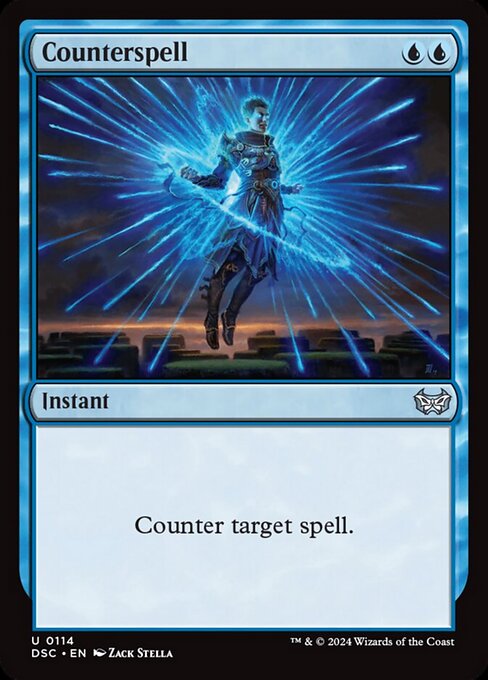
Blue Terror is one of Pauper's most-played decks, at 10.5% of the field. The plan is easy to state and hard to disrupt: chain one-mana draw spells to fill the graveyard, land Tolarian Terror or Cryptic Serpent as a 5/5 or 6/5 for one or two mana, and defend it with Counterspell until it has attacked for twenty.
Its position in the metagame is well defined. The deck preys on opponents who fight on the stack or from the hand: it is favored against Mono Red Madness, the most-played deck in the format, where cheap counters and a 5-toughness threat line up cleanly against burn, and it is favored against Ruby Storm and Familiars, where the counter suite attacks the engine directly. Bogles is one of its best matchups. The hard games come from decks that flood the board with cheap creatures or grind through one threat at a time: Elves, Jund Wildfire, and Mono Red Rally are unfavored, Grixis Affinity is slightly unfavored, and against the rest of the top tier, such as Dimir Faeries and Monster Tron, expect close, slightly uphill games.
It is also a joy to pilot: every turn is a stream of small decisions about what to keep on top, what to counter, and when to commit, and few plays in the format feel better than untapping behind a one-mana 5/5 with Counterspell open.
General Strategy
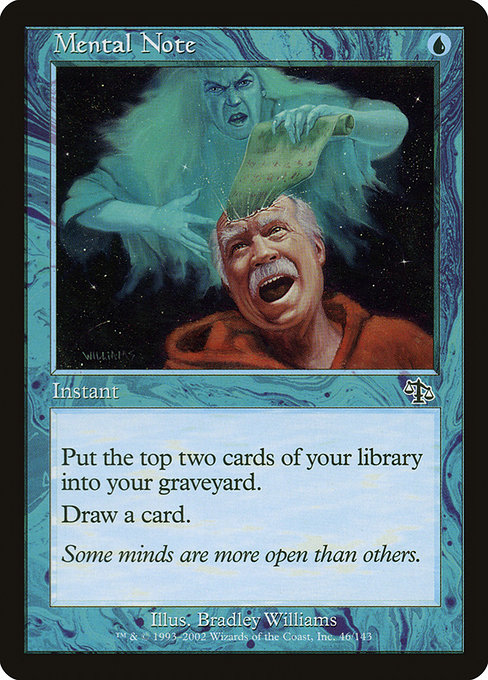
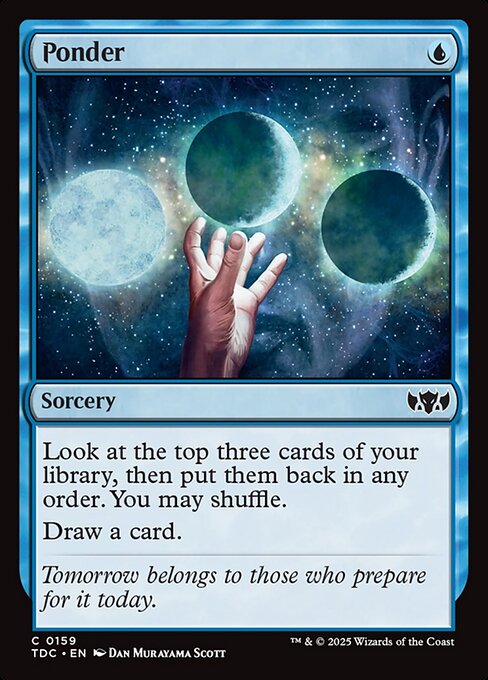
Blue Terror plays one giant creature and protects it. Everything else in the deck exists to make that creature nearly free: Thought Scour, Mental Note, Brainstorm, and Ponder each cost one mana, replace themselves, and land in the graveyard as an instant or sorcery themselves, while Thought Scour and Mental Note mill two more cards on top of that, and Tolarian Terror and Cryptic Serpent cost one less for each of those cards. The most important thing you do each game is sequence the draw spells so that around turn three a 5/5 or 6/5 hits the battlefield for one or two mana, often with Counterspell mana still open behind it. The opponent then has to fight through counters to answer a threat that cost you almost nothing while it kills them in four attacks. That mana gap is the whole deck.
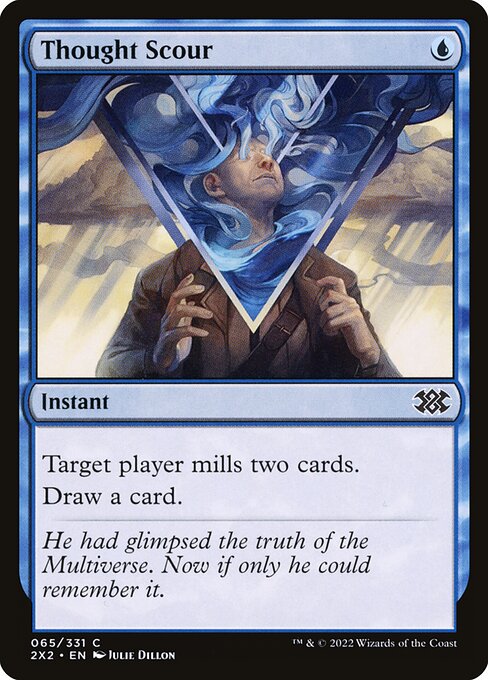
The engine runs on volume. Thought Scour and Mental Note are the best fuel because each one moves three cards to the graveyard at once - the two it mills plus the spell itself - and more than half the deck is instants and sorceries, so most of what they touch grows the discount. Brainstorm and Ponder fill the gaps, finding lands, threats, and counters while adding themselves to the pile. An uncontested start looks like this: Island and Delver of Secrets on turn one. On turn two the upkeep reveal shows an instant or sorcery and it flips; you play a second Island, cast Thought Scour, and attack for 3. On turn three Mental Note and Ponder both resolve on the same two lands and the flier attacks again. That is 6 damage dealt, and between the three spells cast and the four cards milled, the graveyard usually holds enough instants and sorceries that the in hand now costs one or two mana.
The Cards
Tolarian Terror
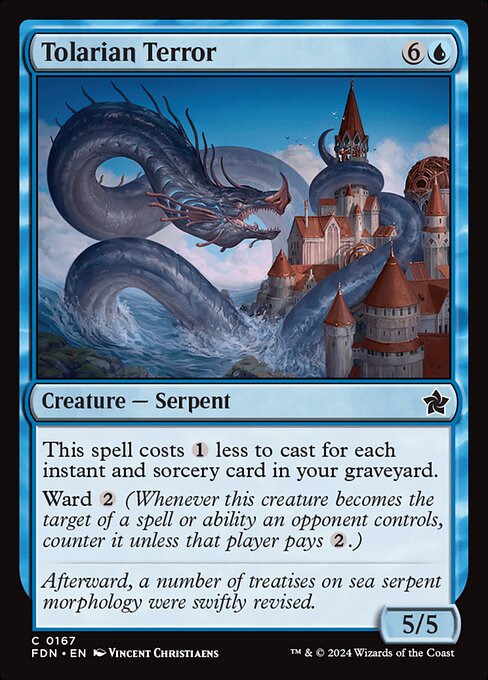
The deck's namesake and the card every other spell serves. It is a seven-mana 5/5 on paper, but each instant and sorcery in your graveyard shaves a mana off, and it bottoms out at a single blue mana. Ward makes an opponent pay two extra mana whenever they target it, which turns cheap removal into a losing trade and protects it on the turns you cannot hold up a counter. Five toughness walls most early boards; five power kills in exactly four attacks. It is the wall you stabilize behind and the clock you win with.
Cryptic Serpent
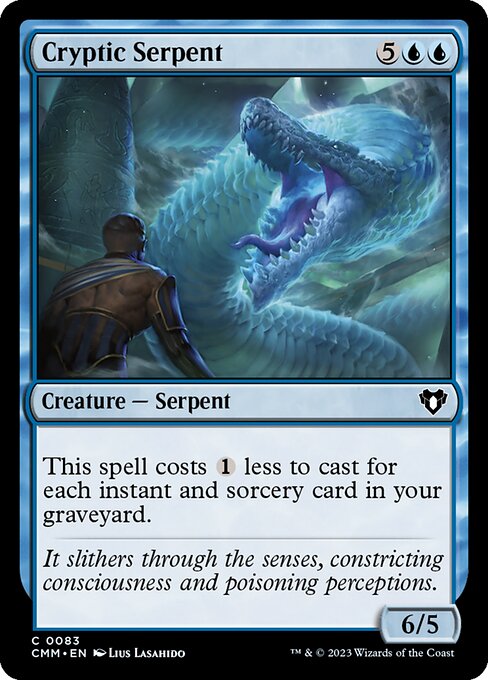
The other half of the eight-serpent core, with the same discount attached. It hits for 6 instead of 5 but has no ward, so it is the serpent removal will chase and the one you most want to deploy with counter backup. The discount only touches the generic part of its cost, so it never drops below two mana, where Tolarian Terror bottoms out at one - when your hand holds both, lead with the Terror.
Delver of Secrets
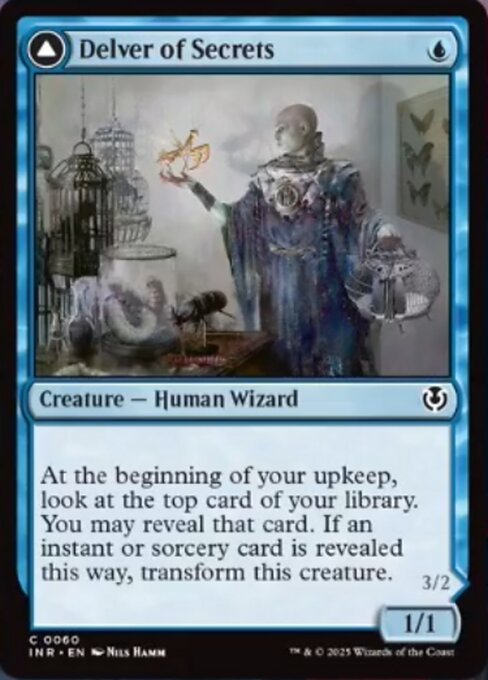
The fast start. A turn-one Delver of Secrets flips into a 3/2 flier as soon as an upkeep reveal shows an instant or sorcery, and with thirty-two of them in the deck the blind flip is better than a coin flip - with Ponder or Brainstorm setting the top, it is close to on demand. Flipped, it is the deck's only evasive threat, which matters because the serpents win on the ground. Even when it trades with a removal spell, it spent the opponent's card and mana while your engine set up.
Thought Scour
Role Assignment
Blue Terror is an aggro-control deck, and every matchup is fought on the same few axes. First, the stack: whether key spells - theirs and yours - can be forced past cheap counters decides the middle turns. Second, the setup window: the deck barely touches the board on its first two turns, so anything the opponent deploys then is nearly free. Third, removal alignment: damage-based spells rarely kill a 5-toughness serpent, targeted answers pay the ward tax on Tolarian Terror, but a forced sacrifice ignores both and answers your lone creature at full value. Fourth, the graveyard: an opponent who exiles it delays the serpents by turns. Fifth, staying power: once both hands empty, your draw spells and counters are measured against whatever engine they kept. Left alone, the deck kills around turn six - fast enough to be the beatdown against slow decks, slow enough that true aggro outraces it.
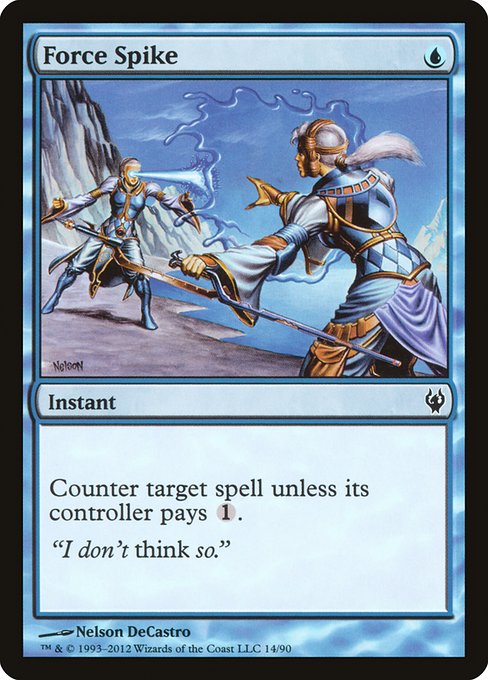
Vs. Aggro. You are the control. Their start beats your turn-six clock and your first two turns concede the board, so stabilizing matters more than racing. A 5-toughness serpent walls most of their creatures, counters go to the spells that break the wall - a pump effect, burn pointed at your face - and Force Spike is at its best against opponents who tap out every turn. The role flips only once the board is locked. The demonstrative play: block with Tolarian Terror for a turn or two, and start attacking only when the race math is safely yours.
Vs. Midrange. Usually the beatdown, because the deck is tempo-positive and their one-for-one answers line up terribly against a discounted serpent: you spend one or two mana on the threat and one or two more protecting it, and every exchange leaves you mana ahead. Their edge is card advantage over a long game, and your inevitability is only medium, so do not drift into a pure attrition plan - land a protected serpent, counter their value engines, and close in four attacks before their grind takes over. The demonstrative play: hold a castable serpent one extra turn so it arrives alongside Counterspell. Patience in service of aggression.
Vs. Control. The beatdown, unambiguously. Your threats cost less than their answers, eight maindeck counters win the fights over the stack, and because you usually present one serpent at a time, a sweeper rarely catches more than one card. Medium inevitability means the very long game can still slip away to a deck built for it, so use the low curve: a turn-one Delver of Secrets is at its best here, forcing them to spend answers while you bank counters. The demonstrative play: resolve a one-mana serpent with two counters held open, then never tap out again.
Play Patterns
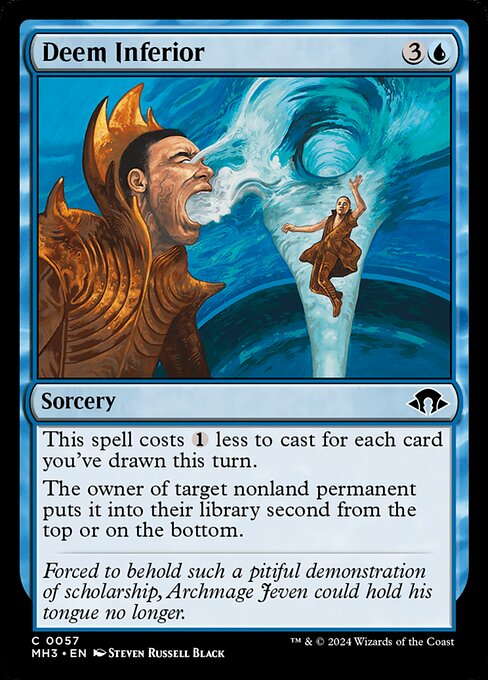
- Cast your draw spells before your discounted spells in the same turn. Tolarian Terror and Cryptic Serpent count the graveyard, and Deem Inferior counts cards drawn this turn, at the moment you cast them. A Thought Scour that resolves first adds itself plus two milled cards and can shave one to three mana off the spell that follows; the reverse order pays full price for nothing.
- Pair a selection spell with a mill spell in the same turn, selection first. Ponder draws after you reorder, so the two cards you passed on stay on top, and Brainstorm puts two back the same way; a Thought Scour or Mental Note cast behind either one buries exactly those cards as serpent fuel and buys a fresh look instead. Fired blind, the same mill is as likely to bury the Tolarian Terror you are digging for. Split the pair across two turns and your draw step takes the top card back, so on a single land lead with the mill spell, which loses nothing by waiting - unless you need Ponder's shuffle to find a second land.
- Hold a castable serpent until you can deploy it with counter mana open. Waiting is nearly free, because every spell you cast in the meantime makes it cheaper, and the difference between a protected 5/5 and a naked one is usually the game. A Tolarian Terror that resolves alongside an untapped Counterspell or Force Spike demands two answers in one window. When you are dying, the wall comes down early; when you are not, patience costs nothing.
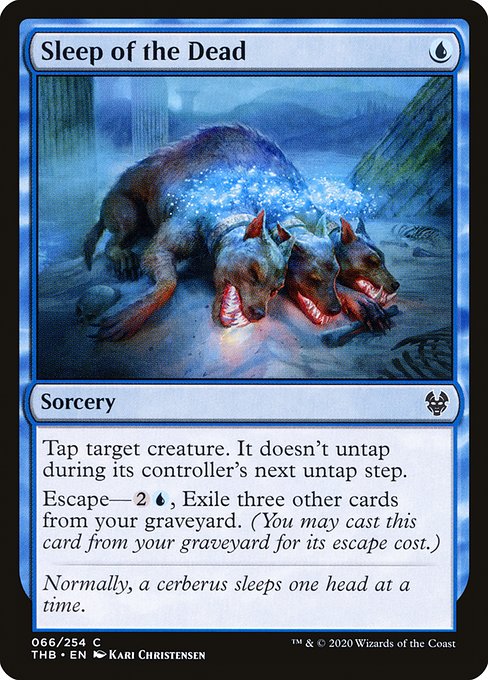
- Pay Sleep of the Dead's escape with milled lands and creatures, not instants and sorceries. Sleep of the Dead escapes by exiling three other cards of your choice from your graveyard, and every instant or sorcery that leaves raises your next serpent's cost by one. The mills put Islands, extra copies of , and spare serpents in the graveyard - spend those, they are free currency. The same logic times : flash it back after your threats are deployed, since casting it from the graveyard removes a sorcery the serpents were counting.