











Introduction
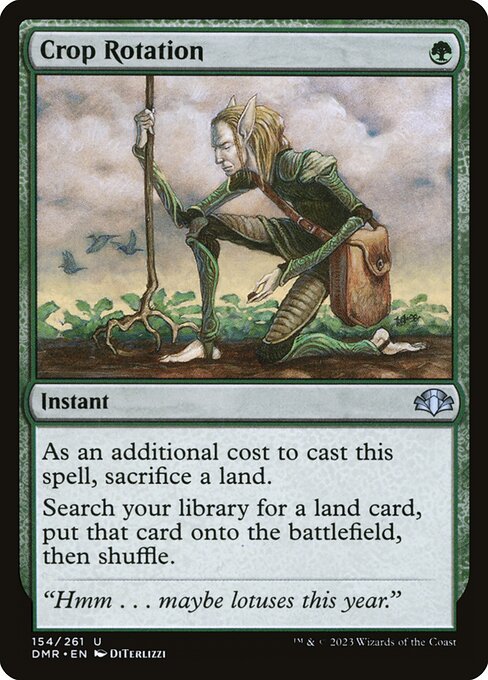
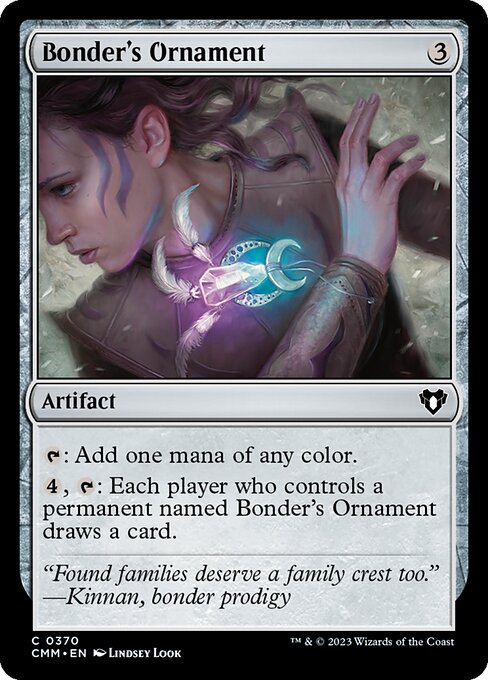
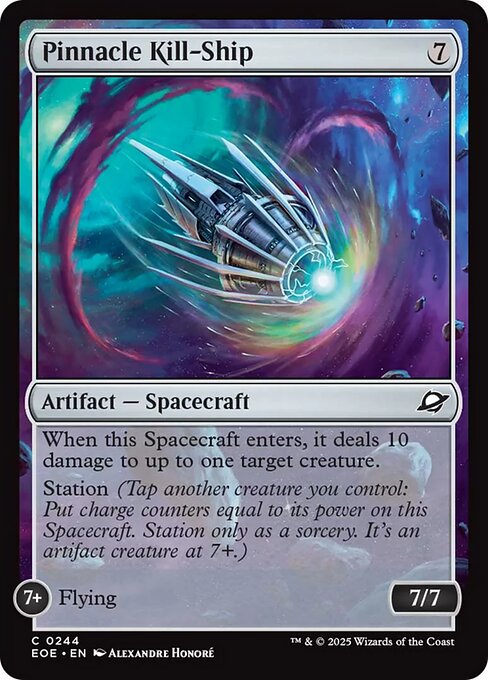
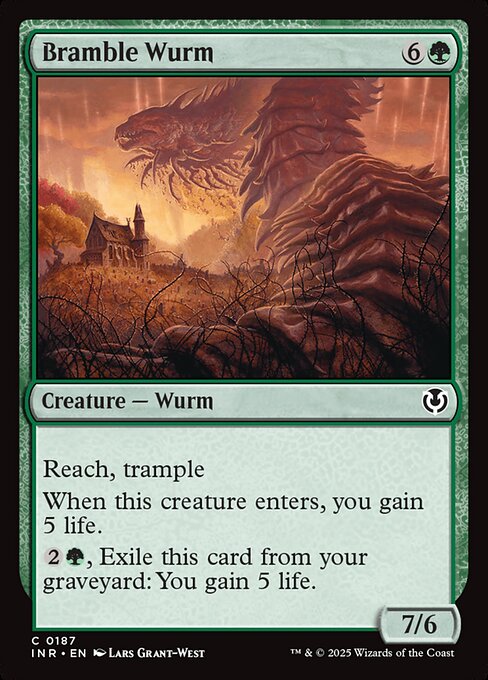
Monster Tron is the deck that assembles Urza's Mine, Urza's Power Plant, and Urza's Tower with Expedition Map and Crop Rotation, then spends that mountain of mana on creatures and artifacts, Bramble Wurm and Pinnacle Kill-Ship chief among them, that a normal curve simply cannot match. At 7.1% of the field it is one of the more-played decks in Pauper. Fel95 took the deck to 8th place at the Paupergeddon Summer 2026 Main Event on July 11, 2026, and the August 10, 2026 format check-in left Bonder's Ornament unbanned while crediting it with bringing slower Tron builds back; the printing of Giant's Boulder has since been singled out as the bigger boost to every Tron variant.
The deck beats creature decks that fight on the board, whether they are pure aggressive decks or the ones that back cheap threats with counterspells, because their cheap removal does not line up with its big bodies and its steady lifegain outlasts their damage, and it beats the fair midrange and control decks that try to trade one for one with it. It is favored against Grixis Affinity, Dimir Terror, Golgari Gardens, White Aggro, and Naya Gates, and slightly favored against Mono Red Madness, Dimir Faeries, and Black Sacrifice.
It struggles against combo decks that ignore the board and finish before the three lands are together, against ramp decks that attack the lands themselves, against control decks that grind out repeated value it has no way to interrupt, and against the aggressive decks that go wider or taller than its lifegain can absorb. It is unfavored against Spy Combo, Jeskai Ephemerate, Elves, Gruul Ponza, Familiars, Ephemerate Tron, Gruul Ramp, Ruby Storm, and Bogles.
General Strategy
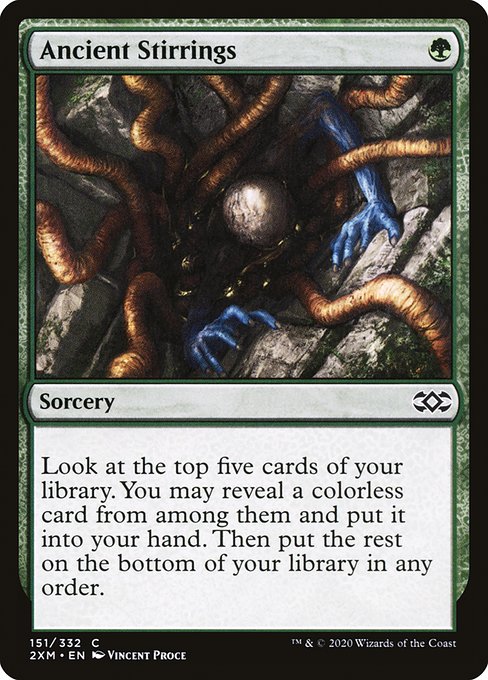
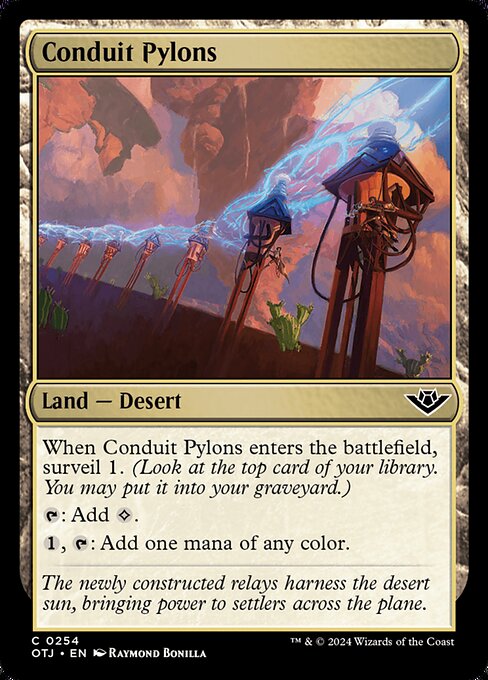
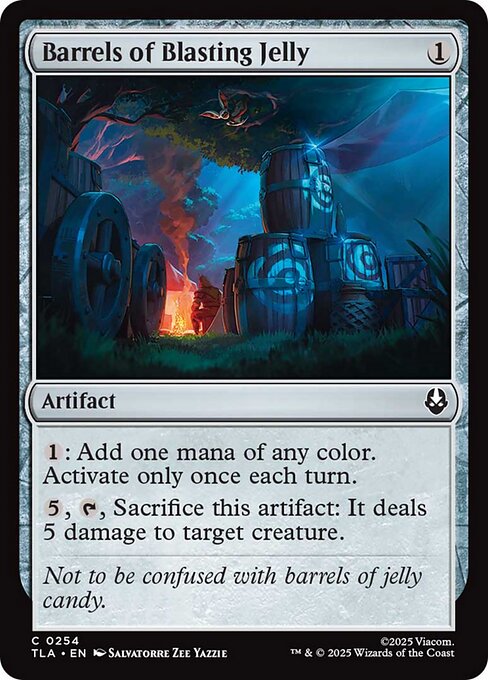
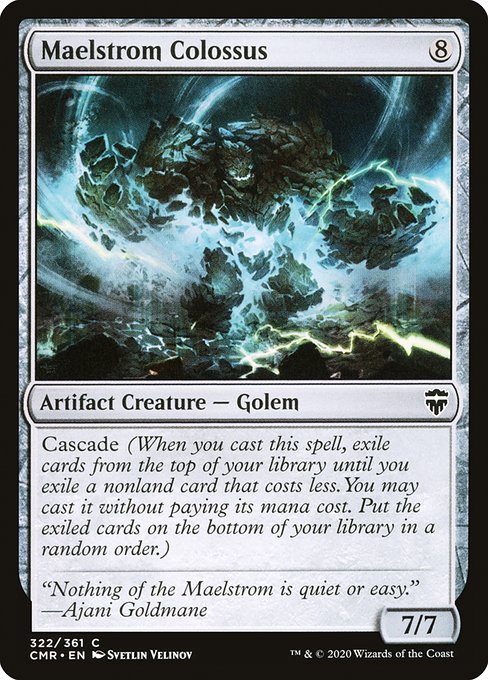
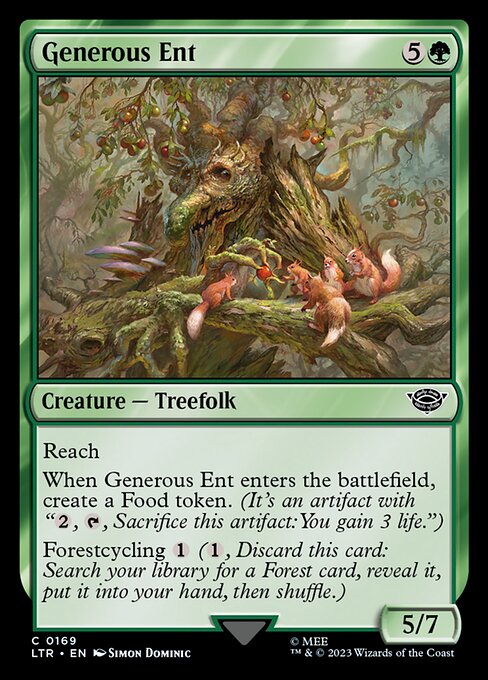
Monster Tron wants one thing from its opening turns: all three Urza's lands on the battlefield. Every early card in the deck serves that goal. Expedition Map fetches the missing piece, Crop Rotation trades a spare land for it on the spot, and Ancient Stirrings digs for it, while Giant's Boulder and Barrels of Blasting Jelly make sure the colorless mana those lands produce can still pay for green, blue, and red spells. Once the mana is there, the deck stops caring about fair trades and starts casting things nobody else in the format can cast on time: Bramble Wurm, Pinnacle Kill-Ship, Maelstrom Colossus, Generous Ent. The pilot's most important job is getting the mana together as fast as possible; a turn spent on anything else is a turn the opponent gets for free.
The mana works because the three lands multiply each other. Alone, each Urza's land taps for a single colorless mana. With Urza's Mine, Urza's Power Plant, and Urza's Tower all in play, the Tower makes three and the other two make two each, seven mana from three lands. Expedition Map searches out whichever land is missing, Crop Rotation sacrifices a Forest or a duplicate Urza's land to put the missing one directly onto the battlefield, and Ancient Stirrings looks five cards deep for any of them, so the trio comes together far more often than three specific cards out of a full deck have any right to.
A game has three phases. In the setup phase you play an Urza's land every turn and spend the leftover mana on a cheap artifact, cracking Expedition Map before the land drop it is meant to supply, or casting Crop Rotation or , until all three lands are down. In the payoff phase you deploy one oversized threat per turn: or off the full trio, a mana cheaper, when there is one more mana to spare. The close is combat: tramples over blockers and a stationed flies over them, and the five to seven damage a turn those bodies deal ends the game in a few swings while the lifegain attached to them keeps the opponent's counterattack from mattering.
The Cards
Urza's Tower
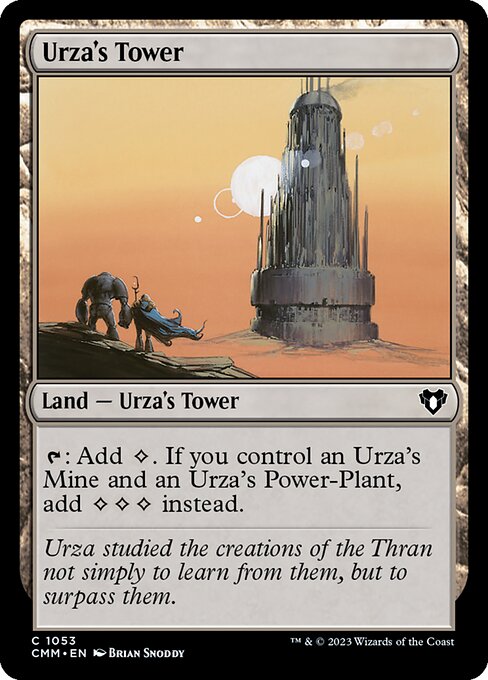
The biggest of the three pieces: it taps for three once Urza's Mine and Urza's Power Plant are also in play, and for one colorless before then. The lands check each other's land types, not names, so a second Tower with the Mine and Plant down also makes three, which turns a duplicate from a dead draw during setup into a ten-mana turn once the trio is complete. Before the trio is done, though, a duplicate contributes nothing toward assembly and is the natural land to sacrifice to Crop Rotation.
Urza's Mine
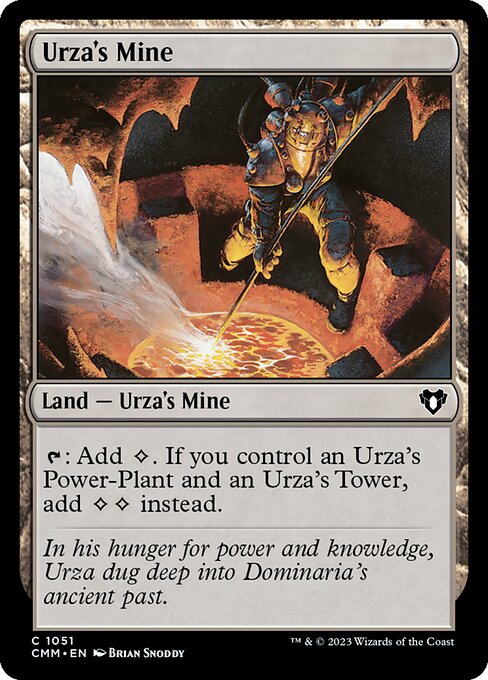
Two mana with the other two Urza's lands in play, one without. It is interchangeable with Urza's Power Plant in every practical sense: what matters is having one of each. Expedition Map, Crop Rotation, and Ancient Stirrings all find it.
Urza's Power Plant
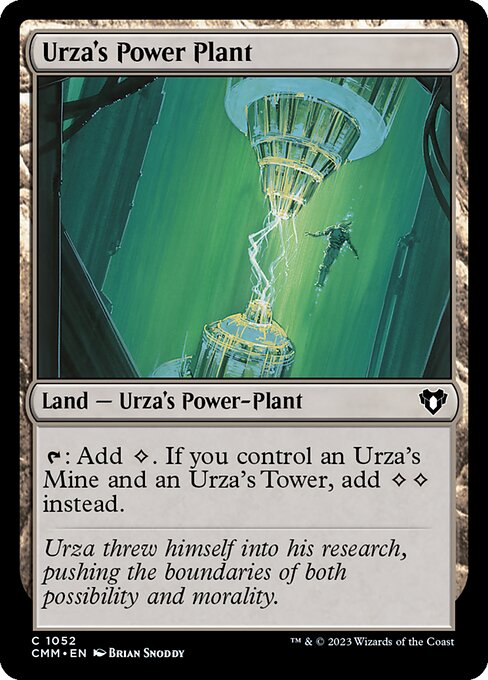
The third piece, functionally the same as Urza's Mine: two mana with the trio, one alone. Extra copies past the first are real two-mana lands once the trio is online and Crop Rotation fodder before it. Tap a duplicate for its single mana first and sacrifice it afterward; the sacrifice is a cost, so a tapped land pays it just as well as an untapped one.
Expedition Map
Role Assignment
Monster Tron is a linear ramp deck with a tempo-positive plan and very high inevitability: once the Urza's trio is online, almost no fair deck can keep up with seven-mana threats every turn. It buys that late game by conceding the early one, and with an interaction suite this thin, the role it takes in a matchup is decided by whether the opponent can punish those conceded turns. Every matchup is fought on some mix of the same axes: the opponent's speed against the turn the trio comes together, how hard they can attack the lands and the artifact fixing, whether their removal can kill five-, six-, and seven-toughness bodies, and whether their damage output can outrun the lifegain from Bramble Wurm and Generous Ent's Food.
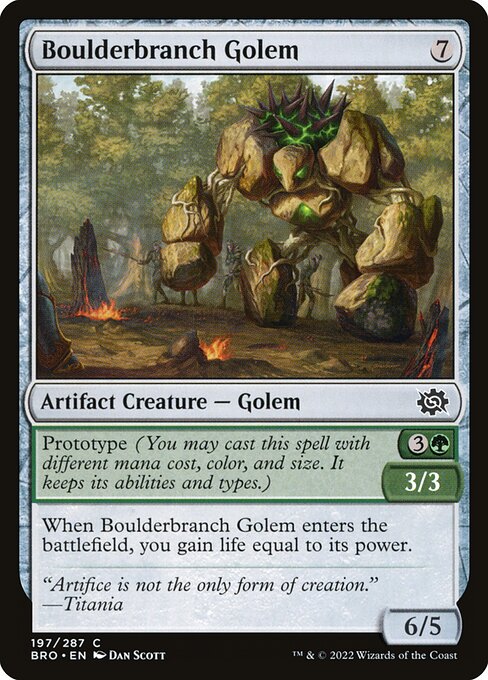
Vs. Aggro. Against creature-based aggro you are the control deck, full stop. Their plan is to kill you before the third Urza's land arrives, and yours is to survive until it does, at which point every big threat you cast outclasses their whole board. Mulligan toward mana and a blocker, forestcycle Generous Ent rather than holding it if the green is what the hand lacks, and prototype Boulderbranch Golem as a 3/3 that gains three when the trio is a turn away. The play that defines the role is the first seven-mana turn: Pinnacle Kill-Ship shooting their best creature, or Bramble Wurm gaining five and sitting in front of everything they have. Once you have stabilized, the roles flip and their remaining cheap burn is blank against your big bodies, leaving only exile effects like Journey to Nowhere to answer one.
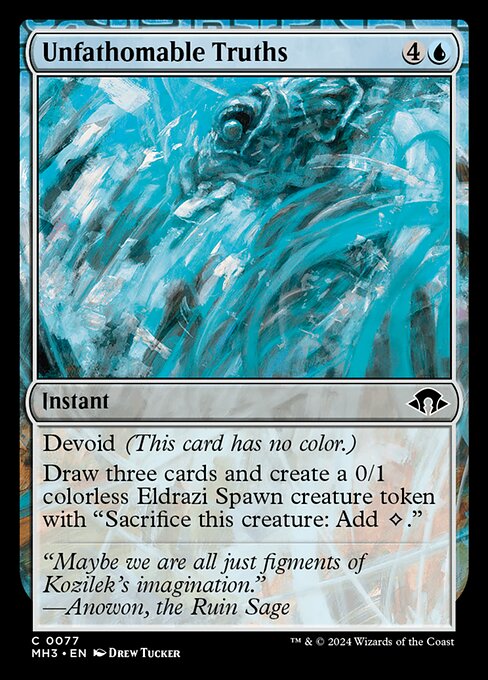
Vs. Midrange. Against midrange decks that want to trade one for one, you are the control deck again, but this time because you hold inevitability rather than because you are under pressure. Their damage-based removal is built for three- and four-toughness creatures, though a Cast Down still kills any of your creatures, and their threats are smaller than yours, so the game goes long and the long game is yours. Do not overextend into a board that does not need more threats; one big body at a time, with Unfathomable Truths cast at the end of their turn whenever the mana would otherwise sit idle, keeps the card count in your favor. The exception is the midrange deck that attacks your lands or your artifacts: land and artifact disruption are the axes where a fair deck beats you, and against it you become the beatdown and must deploy threats before the mana is taken apart.
Play Patterns
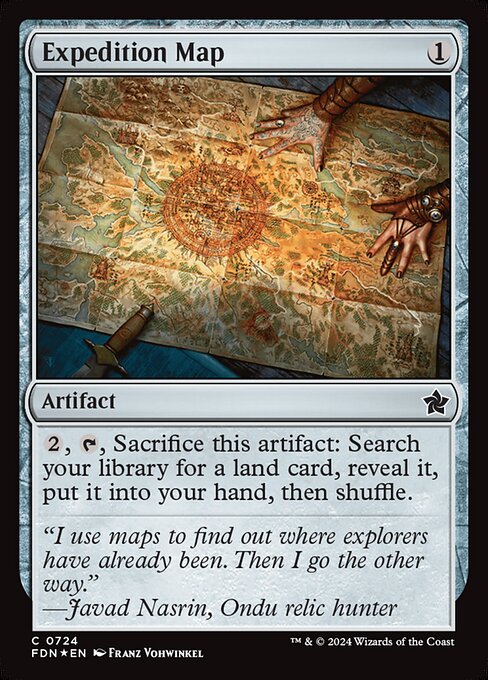
Cast Expedition Map early and crack it at the end of your opponent's turn, before the turn you need the missing Urza's land. The Map puts the land into your hand, and you play it with that turn's normal land drop. Cracked at the end of your opponent's turn before your turn three, it spends mana you had no other use for, and the missing piece comes down with all seven mana available. Cracked on your own turn instead, the two mana comes out of that turn, but the last piece still turns on the trio and taps for two or three instead of one.
Station Pinnacle Kill-Ship by tapping a creature you cast this very turn. Summoning sickness stops a creature from attacking and from using its own tap abilities; it does not stop you from tapping it to pay the cost of another permanent's ability. A Bramble Wurm cast this turn could not have attacked anyway, so tapping it adds all seven counters at no cost in damage, and a Kill-Ship that was cast on an earlier turn attacks as a 7/7 flier the moment it switches on. The opponent who counted your board as one creature that cannot attack yet takes seven in the air instead.
Against a deck that uses its graveyard, hold a Crop Rotation to fetch Bojuka Bog at instant speed. Crop Rotation puts the land straight onto the battlefield, so the Bog's exile trigger fires in the middle of their turn, in response to whatever they are setting up, rather than on your schedule with a land drop they can see coming. Pay the sacrifice with a spare Forest or a duplicate Urza's piece, never one of the three the trio still needs, and remember that the Bog enters tapped, so the mana you spent is gone for the turn.
When you reach seven mana against a creature deck, deploy Pinnacle Kill-Ship before the other big spells. Its arrival shoots their best creature for ten, and until you station it, it is an artifact rather than a creature, so the creature removal they are holding cannot touch it. It sits safely as future pressure while Bramble Wurm and the other actual creatures draw the answers, and the turn you finally station it, the removal they spent on the Wurm is already gone.