







Introduction
Naya Gates is a white-red-green deck whose lands do most of the talking: a pile of Gates fixes its colors and, through Basilisk Gate, turns any small creature into a game-ending attacker. It spends the early turns stalling with lifelink bodies and discard-draw-two spells, brings Sacred Cat and Sneaky Snacker back from the graveyard, and wins late by pumping one creature far past anything the opponent can block. It is a small slice of the field at 1.4%, but it has been punching above that share since midsummer: seasonofmists won the July 3 MTGO Pauper Challenge with a 9-1 record, _Batutinha_ took 3rd in the August 14 Challenge, and copies have kept posting 5-0 League runs and Challenge placements into mid-September. Wizards' August 10 format check-in singled the deck out for splashing the blue-and-black Sneaky Snacker into a Naya shell, but announced no changes.
The deck beats creature decks that try to win on the board with small threats and one-for-one removal, because its lifelink blockers blunt the early attacks and its creatures draw cards, leave tokens, or return from the graveyard, so trading removal into them never gains ground. It is favored against Blue Terror, Mono Red Madness, Elves, Grixis Affinity, Mono Red Rally, Dimir Terror, Dimir Faeries, Golgari Gardens, White Aggro, Black Sacrifice, Bogles, and Cycle Storm.
It struggles against ramp decks that go over the top of a small board before the pump is online, and against combo decks that ignore the board entirely, since the tapped mana base starts a step slow and the kill needs several Gates in play before it threatens anything. It is unfavored against Monster Tron, Spy Combo, Jeskai Ephemerate, Jund Wildfire, Gruul Ponza, Familiars, Ephemerate Tron, Gruul Ramp, and Ruby Storm.
General Strategy
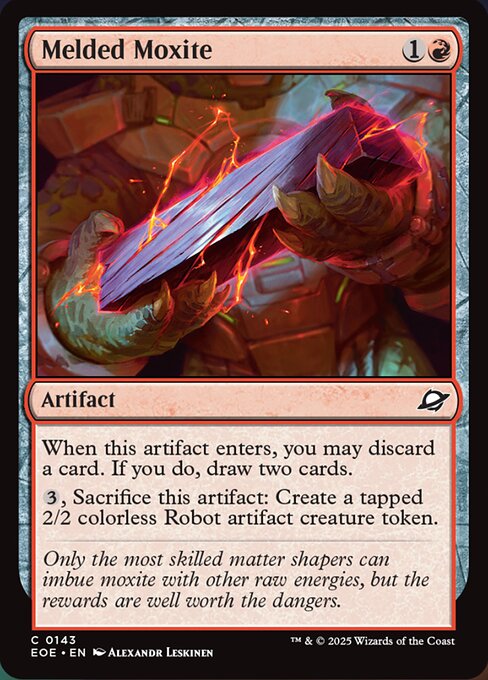
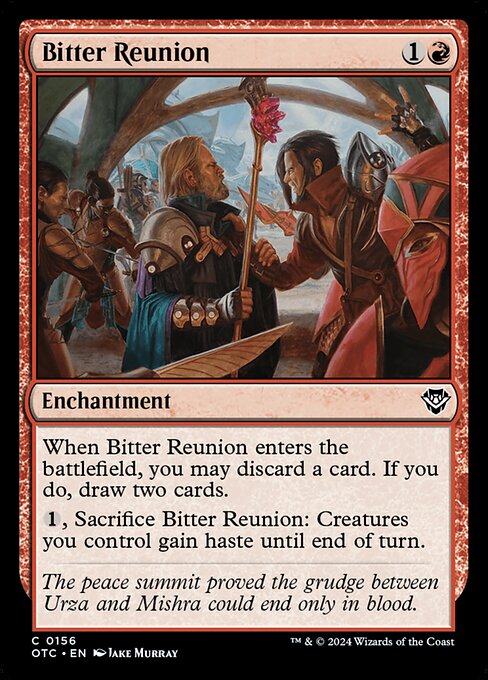
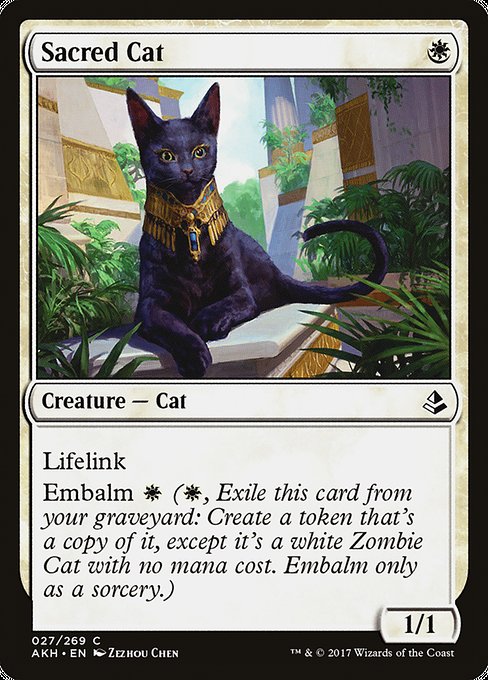
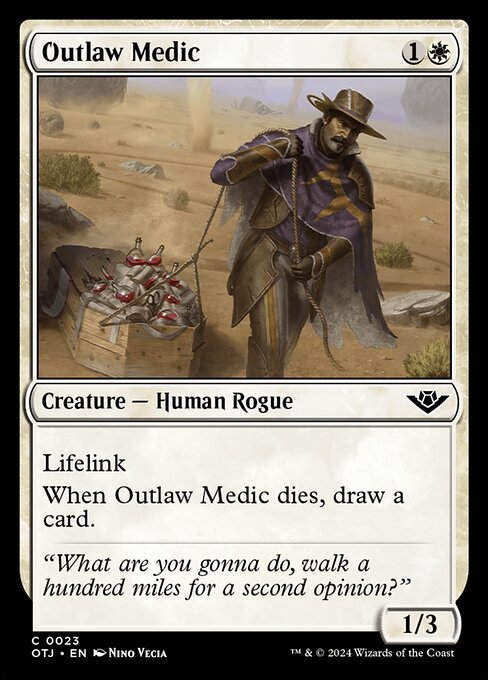
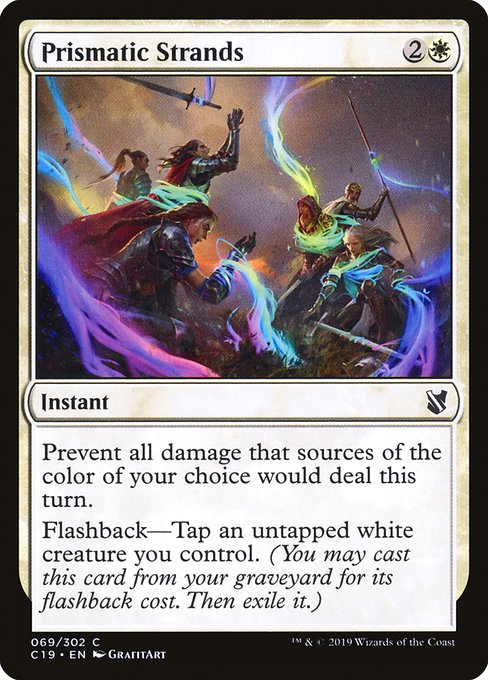
The plan is to survive the early game cheaply, bank more cards than the opponent while doing it, and then win with one enormous attacker. Most of the lands you play are Gates, and every Gate makes Basilisk Gate's pump bigger, so the deck gets stronger simply by making land drops. In the meantime Sacred Cat and Outlaw Medic block and gain life, Prismatic Strands shuts off a turn of the opponent's damage from one chosen color, and Pursue the Past, Melded Moxite, and Bitter Reunion turn the cards you do not need into cards you do. The single most important thing the pilot does is keep the board alive and the graveyard full until the Gates are numerous enough that Basilisk Gate activations end the game within a couple of swings.
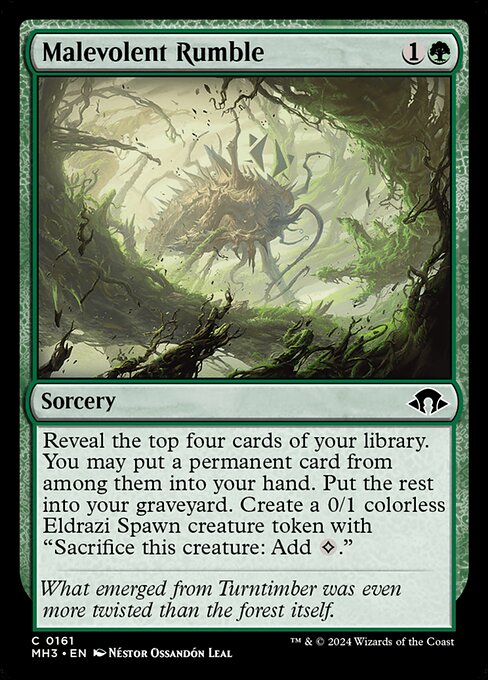
The engine has two halves that feed each other. On the mana side, every Gate that enters raises the X on Basilisk Gate's sorcery-speed pump, so the same activation that makes a 4/4 in the early turns makes a 8/8 or bigger later. On the card side, the discard-draw-two spells (Pursue the Past, Melded Moxite, Bitter Reunion) each reach the third draw of your turn on their own once the draw step is counted, which is exactly what returns a pitched Sneaky Snacker from the graveyard to the battlefield. Malevolent Rumble stocks that graveyard with the Snackers and Cats it does not take, and Sacred Cat's embalm turns a buried Cat into a second white lifelink body.
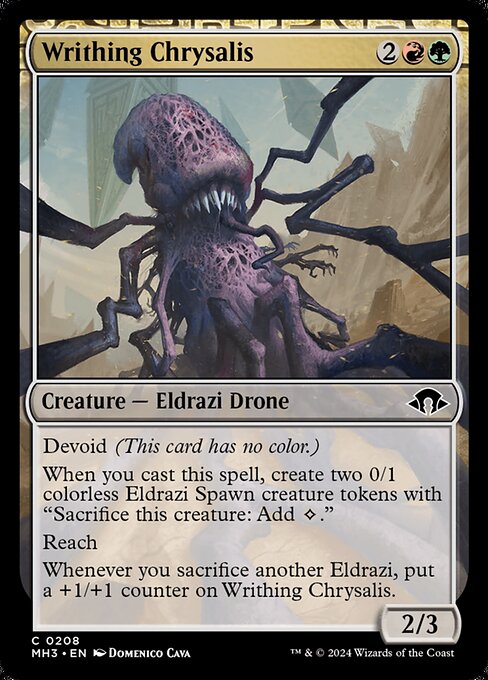
A game runs in three phases. Setup is a Gate almost every turn with a cheap creature in front of it: Sacred Cat, Outlaw Medic, or a Sneaky Snacker that came back for free. Payoff begins once three or more Gates are down, when 's pump before combat turns a lifelinker into a 4/4 that swings the life totals by eight, or the flying Snacker into a 5-power evasive attacker. The close is a matter of untapped Basilisk Gates rather than raw Gate count, because each activation costs two mana plus tapping one Basilisk Gate: three Gates buy one activation, while six Gates with two Basilisk Gates among them let you stack two pumps onto for a 14-power flier that finishes in two swings. is the other combat finisher, growing off its own Spawn tokens while it soaks a pump.
The Cards
Basilisk Gate
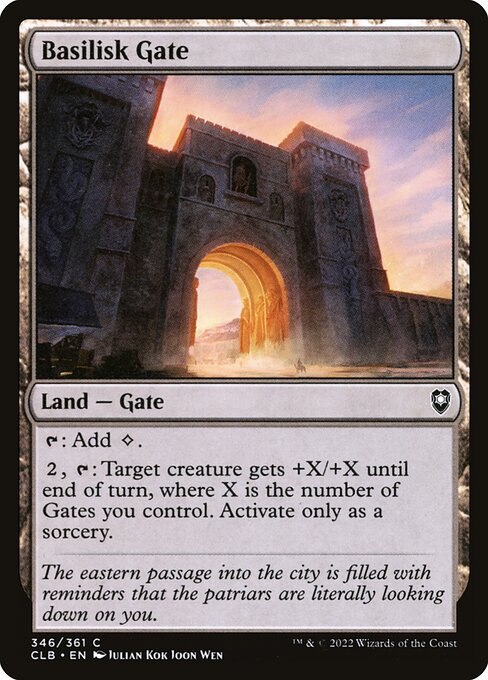
The land that wins the game. It enters untapped and taps for colorless, and for two mana plus tapping itself it gives one creature +X/+X until end of turn at sorcery speed, where X is every Gate you control, itself and the tapped-entering Gates included. Because the activation is a land ability, creature removal and counterspells never take it off the table; only the body it targets is at risk. Sequence your lands so the tapped Gates come down first and this arrives when you want to activate: with Citadel Gate and Cliffgate down on the first two turns and Sacred Cat cast off the Citadel's white, a third-turn Basilisk Gate taps the two older Gates for the mana, taps itself, and sends the Cat in as a 4/4 lifelinker that deals 4 and gains 4. Multiple copies stack: each untapped Basilisk Gate you can pay for is another full pump on the same creature.
Citadel Gate
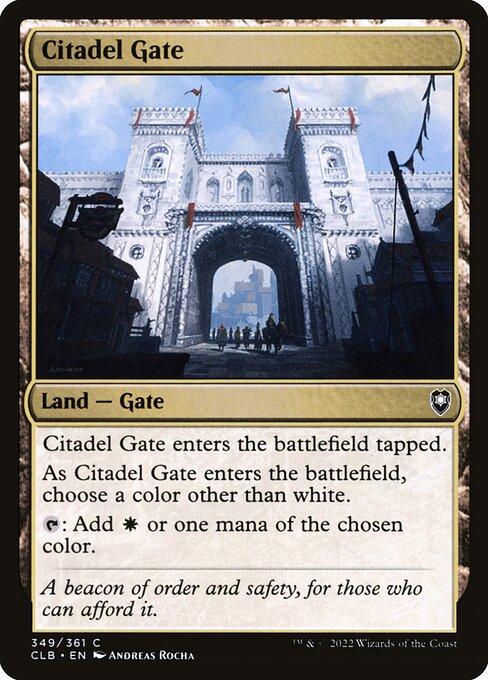
Citadel Gate, Cliffgate, and Manor Gate are the same land with a different fixed color (white, red, and green respectively); each enters tapped and lets you name a second color as it enters. They are what let a three-color deck cast Pursue the Past on the second turn and Writhing Chrysalis on the fourth, and every one of them raises X on Basilisk Gate. Name the Naya color your hand is missing; green comes almost entirely from Manor Gate and these choices, so a Chrysalis in hand usually means naming green early.
Sneaky Snacker
Role Assignment
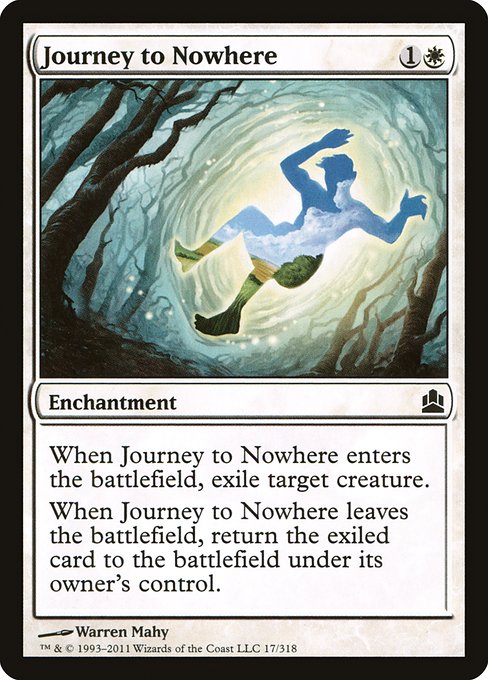
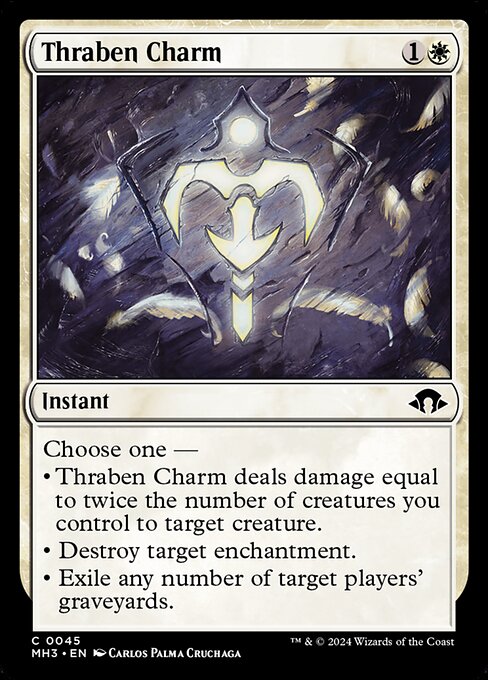
Naya Gates is a midrange deck with high inevitability and a tempo-neutral start: it does not push damage early and it does not take the opponent's turns away, but if the game goes long enough it wins almost every time, because the Gates keep making Basilisk Gate bigger and the graveyard keeps handing back Sacred Cat and Sneaky Snacker. Its interaction is a few removal spells (Lightning Bolt, Journey to Nowhere, and the modes of Thraben Charm) plus Prismatic Strands as a damage-prevention effect, so it answers a threat or a turn, not a whole plan. Every matchup is decided on the same few axes: raw speed against the tapped mana base, whether one-for-one removal ever gains ground against creatures that replace themselves, how much of the graveyard package the opponent can exile, whether the pump turn can be answered at instant speed, and whether the opponent's damage is colored enough for Prismatic Strands to prevent it.
Vs. Aggro. Against aggro you are the control deck, and comfortably so. Their plan is to win before the Gates matter, and your job is to make the early turns cost them cards: Outlaw Medic and Sacred Cat block and gain life, Lightning Bolt kills the one creature that would break through, and the removal they spend on your blockers buys them nothing because the Cat embalms and the Medic draws. The play that defines the role is Prismatic Strands on their biggest attack, naming their color: a whole turn of damage vanishes, you untap with the board intact, and the flashback threatens the same thing again by tapping an untapped white creature. Once the opponent has run out of gas, the pump turn ends the game on your schedule.
Vs. Midrange. Against midrange you are still the control deck, because the removal math favors you: their one-for-one answers trade with creatures that leave a token, draw a card, or come back, while nothing they do touches Basilisk Gate. The defining play is patience with the pump. Let them spend removal on and , keep casting and to stay ahead on cards, and activate only on a creature the opponent cannot answer with mana open, ideally a returned that cost you nothing. The one thing to fear is graveyard exile: if they can strip the yard, your inevitability shrinks to whatever is on the battlefield, so deploy embalm and flashback before that window closes.
Play Patterns
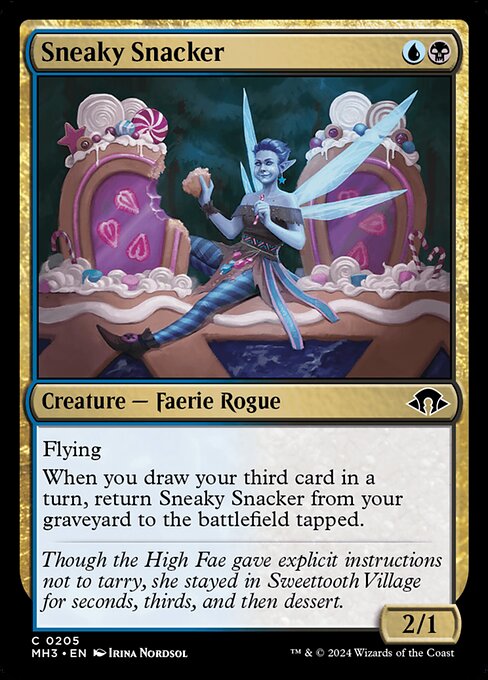
Pitch Sneaky Snacker to Pursue the Past, Melded Moxite, or Bitter Reunion on your own turn, so the same spell's two draws bring it back. The discard always lands before the two draws, whether it happens as Pursue the Past resolves or on the entry trigger of Melded Moxite and Bitter Reunion once the permanent is already on the battlefield, so the Snacker is sitting in the graveyard when the trigger that watches for your third draw checks. On your own turn the draw step is the first draw, the spell's two draws are the second and third, and the Snacker returns tapped without costing a mana or a spell. That is why a first-turn Citadel Gate names red rather than blue: a Plains on the second turn casts Pursue the Past, the Snacker pitched to it is on the battlefield the same turn, and it attacks for 2 on the third turn. Casting the Snacker from hand instead would need blue and black from two separate Gate choices and attacks a full turn later at best. The trigger fires once per turn, on the third draw only, so a Snacker that dies after returning has to wait for the next turn's third draw; do not spend a second loot spell that turn expecting it back again.
Keep one untapped white creature at home whenever Prismatic Strands is in the graveyard. The flashback cost is tapping an untapped white creature, not mana, so the Strands in your graveyard is only as live as your least useful attacker. Swinging with everything removes the second damage-prevention effect at exactly the moment the opponent's biggest counterattack is coming, and it does so for whatever chip damage the last creature would have added. Sacred Cat and Outlaw Medic (and the embalmed Cat token) are the main-deck white creatures, joined after sideboarding by Guardian of the Guildpact; Sneaky Snacker, , and the tokens it makes cannot pay this cost.