







Introduction
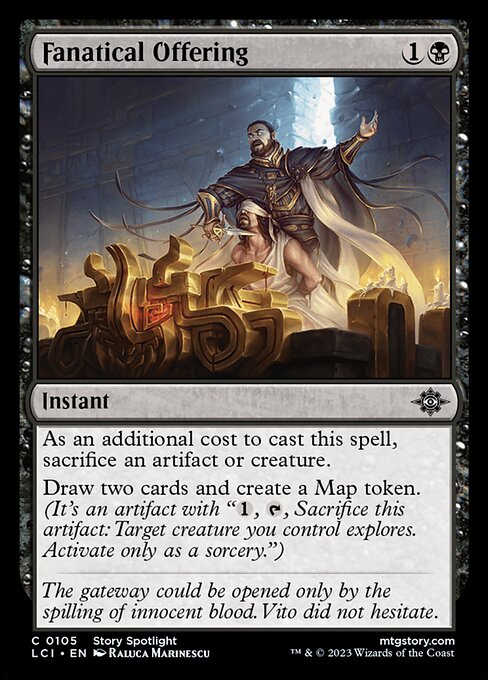
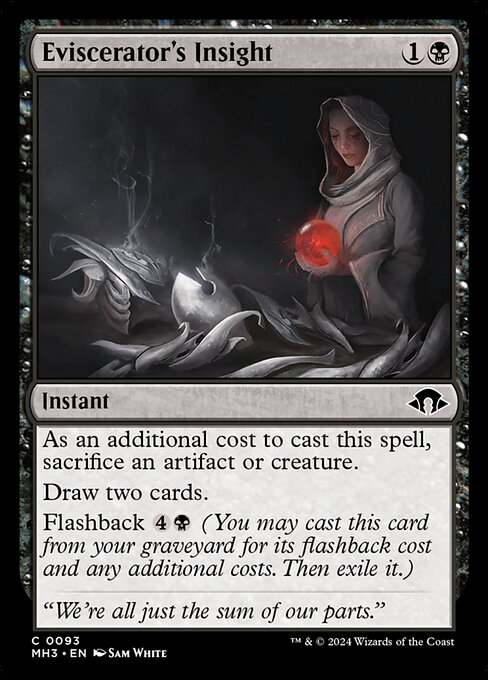
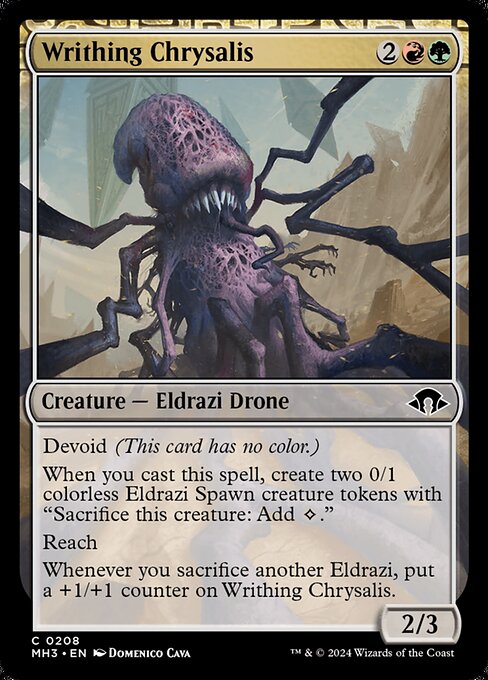
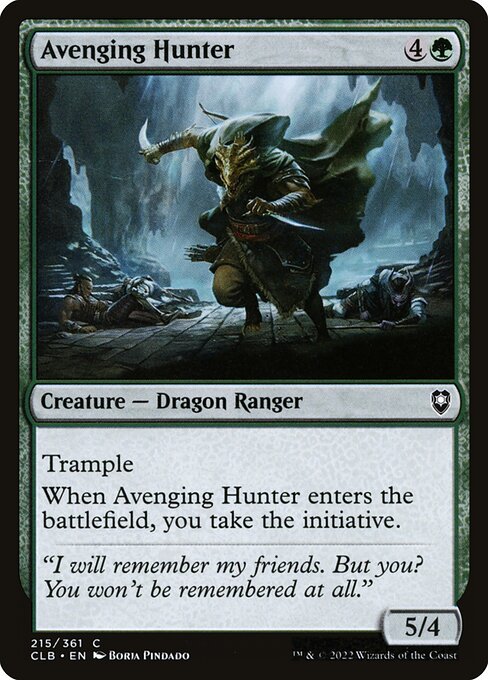
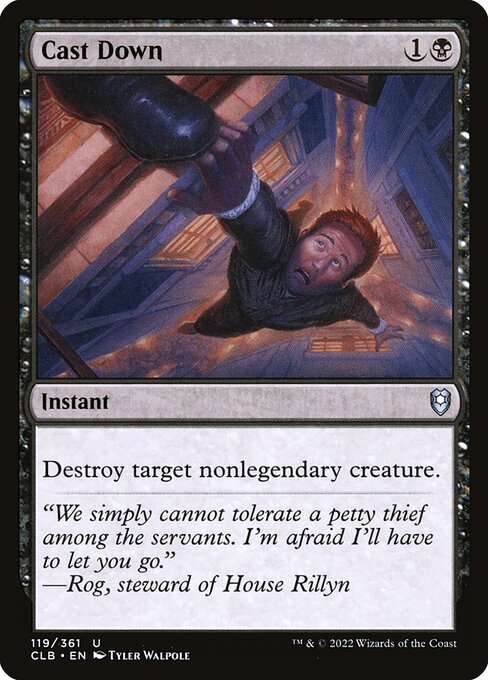
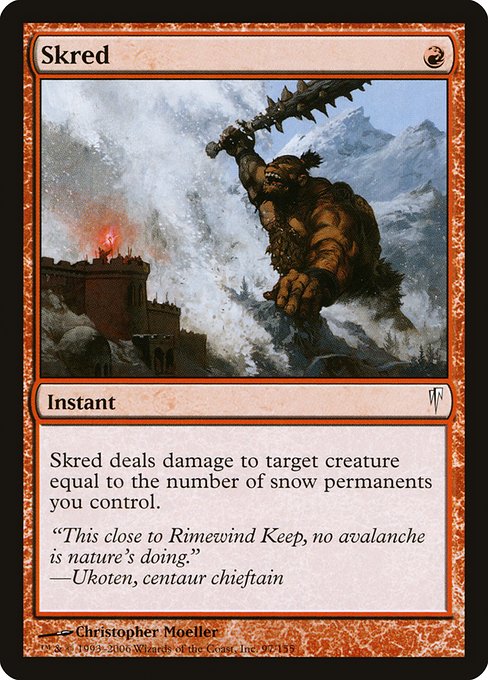
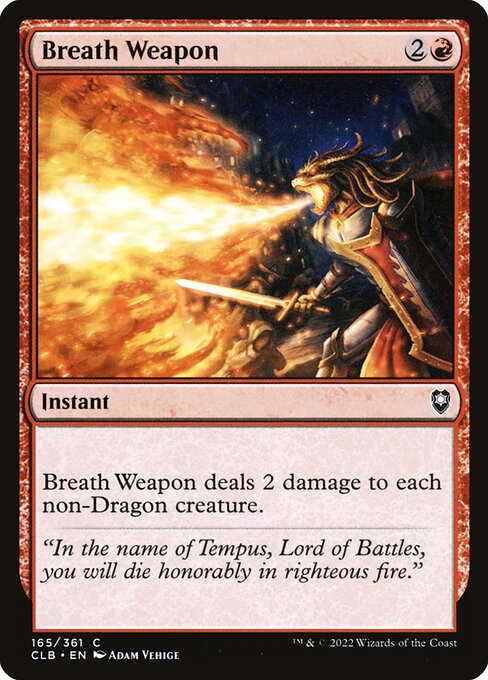
Jund Gardens is a fringe choice at 0.1% of the field, a three-color deck that wants every game to go long. It feeds cheap self-replacing artifacts like Ichor Wellspring and the free tokens from Khalni Garden and Writhing Chrysalis to Fanatical Offering and Eviscerator's Insight for extra cards, clears the board with Cast Down, Skred and Breath Weapon, and closes with a grown Chrysalis, Troll of Khazad-dûm or Avenging Hunter after the opponent has spent their hand.
The deck beats creature aggro that has to fight through its removal and its stream of chump blockers, and the fair midrange decks that try to trade cards evenly with a hand that refills every turn. It is favored against Mono Red Madness, Spy Combo, Jund Wildfire, Grixis Affinity, Mono Red Rally, Dimir Faeries, White Aggro, Black Sacrifice and Bogles, and slightly favored against Elves.
It struggles against control decks that bring their own card draw and point counterspells at its draw spells, and against ramp decks that go over the top with threats its cheap removal cannot handle before its slow clock matters. It is unfavored against Jeskai Ephemerate, Gruul Ponza, Golgari Gardens, Familiars and Naya Gates.
General Strategy
Jund Gardens wants to be the last deck with cards in hand. Every cheap permanent it plays except Campfire either replaces itself or leaves a token behind, and Fanatical Offering and Eviscerator's Insight turn any of those permanents into fresh cards at instant speed. While the hand refills, Cast Down, Skred and Breath Weapon kill whatever the opponent commits to the board, and only once they have run out of threats do Writhing Chrysalis, Troll of Khazad-dûm or Avenging Hunter start attacking. The priority that matters most is keeping fodder on the battlefield: a draw spell with nothing to sacrifice is a dead card, so every turn is planned around having an artifact or a token ready for the next Offering or Insight.
The engine is a loop of cheap permanents and two draw spells. Ichor Wellspring draws a card when it enters and another when it goes to the graveyard from the battlefield, Nihil Spellbomb draws on the way out if you pay black for it, and Lembas draws on entering and shuffles itself back into the library when it is sacrificed. Khalni Garden brings a Plant with it, and Writhing Chrysalis creates two Eldrazi Spawn as it is cast, whether or not the creature itself resolves. Fanatical Offering and Eviscerator's Insight each sacrifice one of those permanents as part of their cost and draw two, Offering leaves a Map token behind to pay for the next spell, and every Spawn that gets sacrificed puts a +1/+1 counter on Chrysalis. The deck refills its hand every turn while its blocker grows.
A game has three phases. Setup is Khalni Garden plus a cheap artifact (, or ) over the first land drops. The payoff begins as soon as the draw spells come online: sacrifice the artifact or the Plant to or at the opponent's end step, kill their creatures with , and , and land once the mana allows so its Spawn become the next round of fodder. The close is combat: a Chrysalis carrying several counters, , or attacks into an opponent who has nothing left to answer it with.
The Cards
Khalni Garden
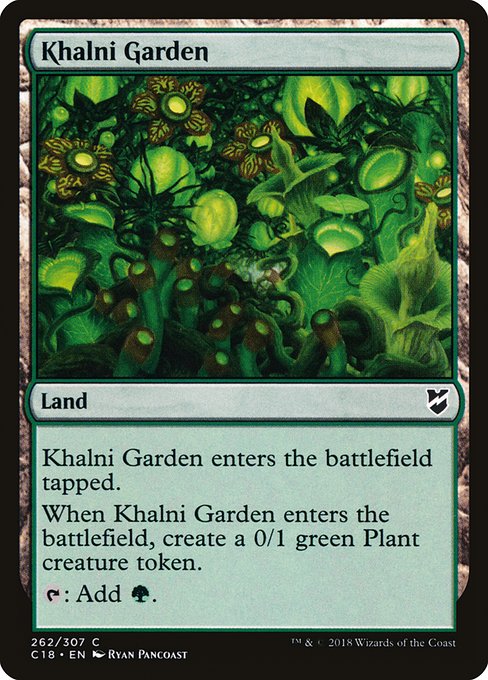
The land the deck is named for. It enters tapped and leaves a 0/1 Plant behind, which is the earliest free fodder for the draw spells and a chump blocker in the meantime. Lead with it on the first turn whenever you can, since that is the turn where entering tapped costs the least, and it is one of the main green sources for Writhing Chrysalis.
Ichor Wellspring
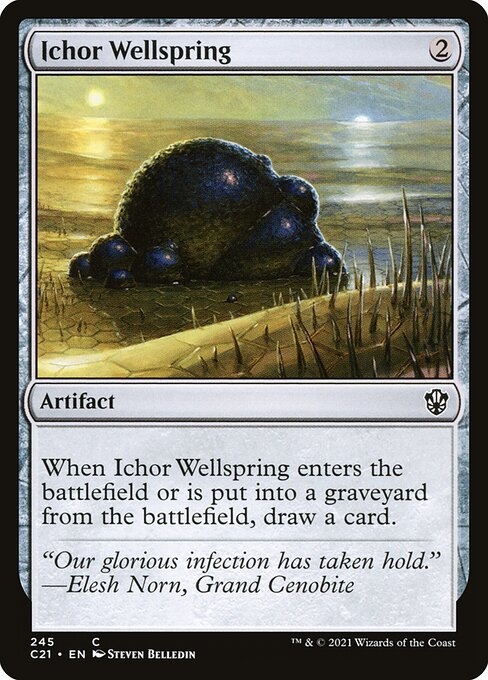
The best fodder in the deck. It draws a card when it enters and another when it leaves the battlefield for the graveyard, so sacrificing it to Fanatical Offering or Eviscerator's Insight nets three cards from that one spell on top of the card it drew on arrival. It is the ideal second-turn play, since it costs two and sets up a draw spell on the following turn.
Lembas
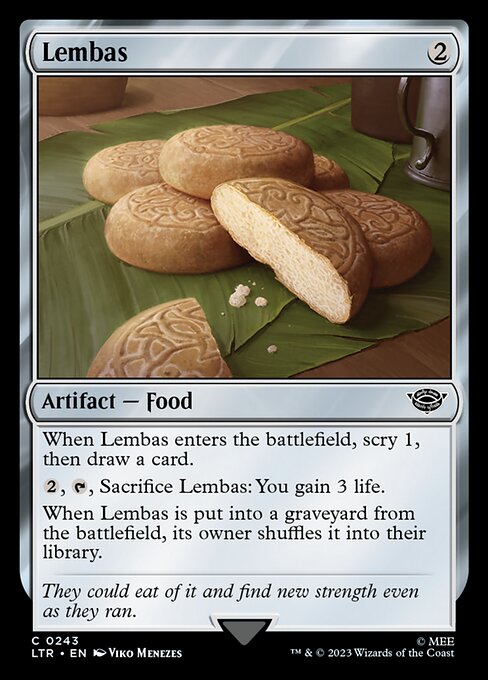
The other two-mana artifact that replaces itself, with a scry before the draw to smooth the early turns. When it goes to the graveyard from the battlefield it shuffles into your library rather than staying there, so feeding it to a draw spell recycles it for later, and when mana is plentiful its own ability sacrifices it for 3 life, which also shuffles it back. It is interchangeable with Ichor Wellspring as the turn-two play; Wellspring is the better one to sacrifice, Lembas the better one to keep for the life.
Nihil Spellbomb
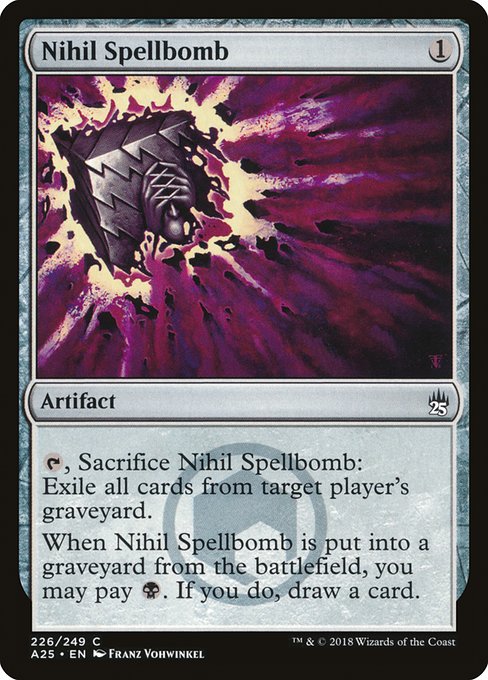
A one-mana artifact that does two jobs. Against a deck that needs its graveyard it sits on the battlefield until the moment their recursion, flashback or delve matters, then exiles the graveyard at instant speed. Against everyone else it is cheap fodder that draws a card on the way out as long as you can pay black when the trigger resolves, so keep a Swamp untapped beyond the draw spell's own cost when you plan to sacrifice it.
Role Assignment
Jund Gardens is a control deck with high inevitability and a tempo-negative curve: its first creature costs four, its clock is slow, and its advantage comes from drawing two cards at instant speed off permanents that cost almost nothing. That fixes its role against most of the field, but not all of it. Against decks that fight on the board you are the control; against decks whose long game is better than yours, or that ignore the board entirely, you are forced into the beatdown seat with a deck that was not built for it. Every matchup turns on some combination of four axes: how fast the opponent's clock is against a deck that does nothing proactive for three turns, whether their creatures line up with targeted removal, whether they can keep pace with the draw-twos over a long game, and how much your life total can be spent.
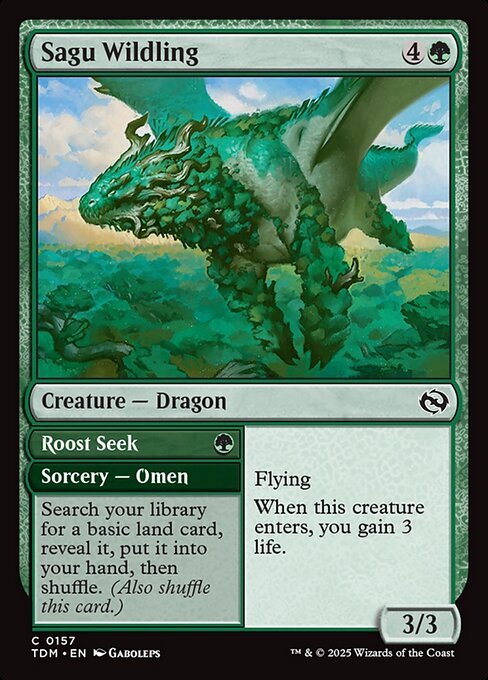
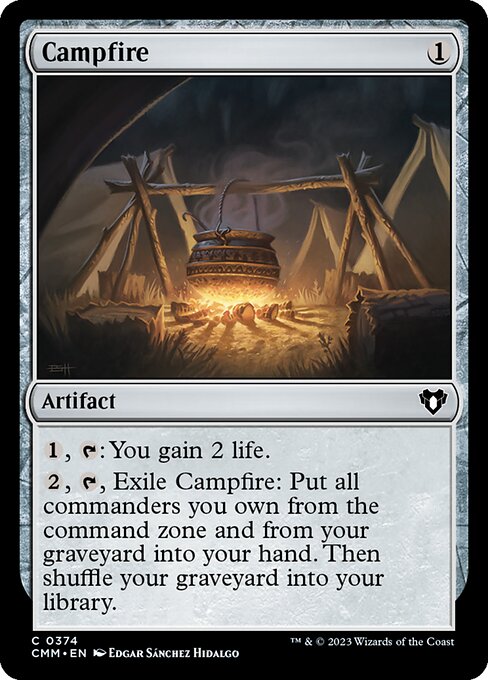
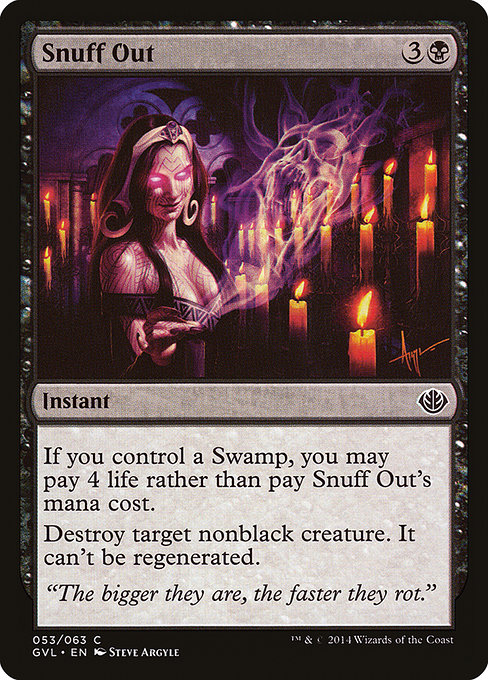
Vs. Aggro. You are the control, without question. Their clock against your slow start is the whole matchup, so the early turns are spent on removal and blockers, not on draw spells in your own main phase. Skred handles the first small creature, Cast Down the first real one, and Plant and Spawn tokens chump while Breath Weapon waits for a board of two or more small creatures. Life is a resource here: the four life for Snuff Out is expensive, and the lifegain from Lembas, Campfire and Sagu Wildling buys the turns the draw spells need to take over. The play that demonstrates the role is holding the Weapon through their attack step, sweeping after blockers are declared, and feeding a token that was going to die anyway to Fanatical Offering in the same window.
Vs. Midrange. Still the control. A midrange deck wants to trade its threats and answers evenly, and every even trade favors the side whose hand refills at the opponent's end step. The axis to watch is whether their creatures line up with your targeted removal: a single hexproof or protected body that grows past two toughness dodges Cast Down, Skred and Snuff Out alike and has to be blocked by Writhing Chrysalis or raced. The defining play is saving Cast Down for their best creature while Skred and tokens absorb the rest, and casting nothing in your own main phase except lands, artifacts and creatures.
Play Patterns
Hold Fanatical Offering and Eviscerator's Insight for the opponent's end step, or for the moment they aim removal at a permanent you can sacrifice. Both are instants and the sacrifice is paid as part of the cost, so a creature or artifact about to be destroyed becomes the fodder instead: their spell loses its only target and does nothing while you draw two. Casting the draw spells in your own main phase throws that insurance away and taps you out of Cast Down and Skred for the opponent's turn. Order matters too when the Plant is your only fodder, because Offering leaves a Map and Insight does not.
When damage-based removal targets Writhing Chrysalis, sacrifice a Spawn for mana in response so the growth trigger resolves before the damage. Sacrificing a Spawn is a mana ability and happens immediately, and the +1/+1 counter it triggers goes on the stack above the removal spell, so the 2/3 is a 3/4 (or a 4/5 with both Spawn) by the time the damage is dealt. This does nothing against a destroy effect, and the colorless mana empties at the end of the step unless you have an instant to spend it on, so keep a Spawn or two on the battlefield as insurance rather than cashing them all in for one bigger spell.
Sacrifice Ichor Wellspring or Nihil Spellbomb (with black mana open) to the draw spells before a Plant or Map token, unless Writhing Chrysalis is on the battlefield and a Spawn's counter matters more than the extra card. Wellspring and Spellbomb draw again when they go to the graveyard from the battlefield, turning a draw-two into a draw-three, while a Plant or Map draws nothing on the way out and is better kept as a chump blocker or as fodder for the next spell. Once Chrysalis is out a Spawn is the exception: sacrificing it to the spell draws the same two cards and adds a counter.
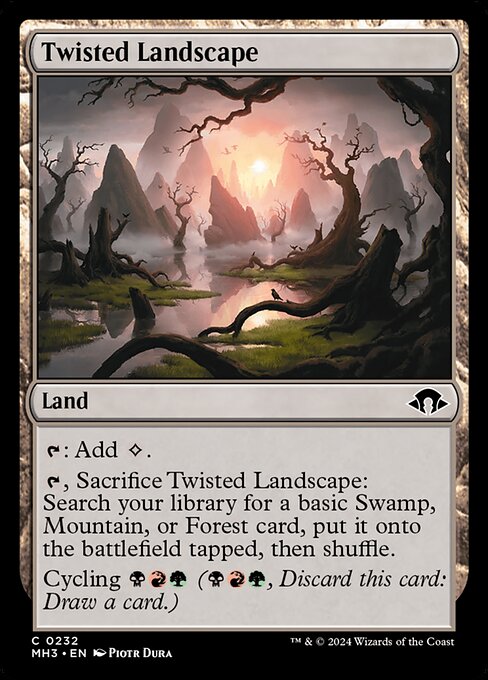
Crack Twisted Landscape for a snow basic at the opponent's end step rather than keeping it around for colorless mana, so it counts for Skred on your next turn. Skred counts only snow permanents, and Twisted Landscape, and are not snow. A Landscape left on the battlefield for its colorless mana never adds to Skred, but sacrificing it at the end of the opponent's turn puts a snow basic onto the battlefield tapped that untaps for your turn with no mana lost. The Landscape is also the usual way of finding red by turn three for Skred and , and red and green together by turn four for . Cycling Ash Barrens with spare mana also finds a snow basic, but that basic goes to your hand rather than onto the battlefield, so it still needs a land drop.