





Introduction
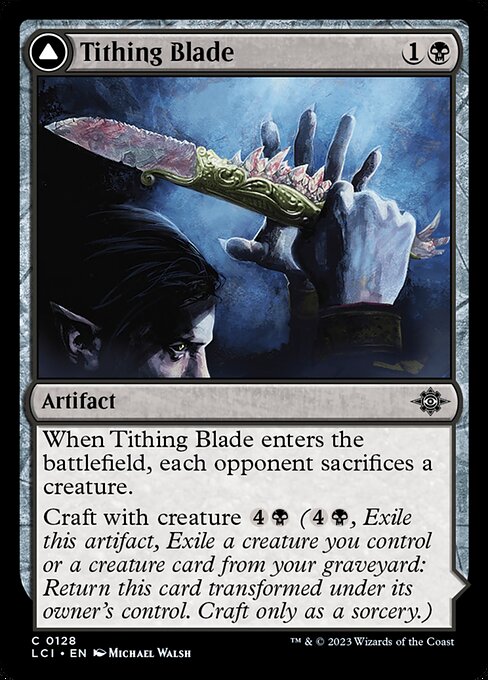
Glintblade is a white-black artifact deck that gets repeated use out of its own cards. Glint Hawk and Kor Skyfisher return cheap artifacts to hand so that Lembas draws again and Tithing Blade forces another sacrifice, and the same fliers, joined by Oroku Saki, Shredder Rising, finish the game once the opponent has run short of cards and creatures. It makes up 0.2% of the field.
Kiki-Gigi finished 6th in the Pauper Challenge 32 on August 6, 2026, Scooby_Snacks finished 6th in the Pauper Challenge 16 on September 1, and the deck posted a run of 5-0 League finishes across August and September. Dispatch became legal in tabletop Pauper on September 7, 2026 and on Magic Online with the September 23 update, and lists have adopted it since: HaHaHa_ went 5-0 in a League with it on September 26.
The deck is at its best against aggro-control decks that protect a small number of threats, because forced sacrifices line up well against a narrow board and repeated card draw outlasts them in a long game. It is favored against Mono Red Madness, Mono Blue Terror, Mono Red Rally, Ruby Storm, Grixis Affinity, Golgari Gardens, and Jund Wildfire, and slightly favored against Monster Tron.
It struggles against combo-control decks whose engine outgrows ours in a long game, where a slow clock gives them the time to set it up. It is slightly unfavored against Elves, and unfavored against Dimir Control, Spy Combo, Bogles, Boros Moxite, Esper Affinity, Familiars, and Gruul Ponza.
General Strategy
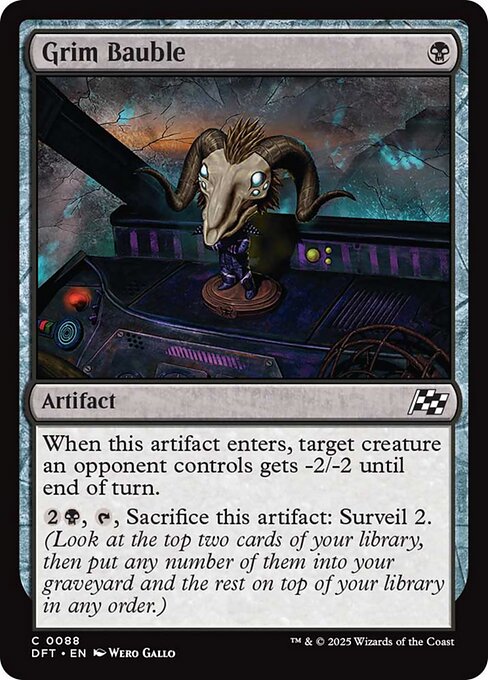
Glintblade plays cheap artifacts and creatures that do something when they enter the battlefield, then picks them up and plays them again. Glint Hawk and Kor Skyfisher are efficient fliers with a drawback: each returns one of your own permanents to hand. That drawback becomes an advantage when the permanent is Lembas, Tithing Blade or Grim Bauble. Each replay draws a card, forces a sacrifice or shrinks a creature, and over a long game the opponent runs out of cards and creatures while the fliers keep attacking.
What matters most is making every return count. A bounce creature cast with nothing worth picking up sets your own mana back. The same creature cast beside the right artifact is a flier plus another card's worth of effect. The deck is not fast, so it wins by getting a little extra out of each card, not by emptying its hand as quickly as possible.
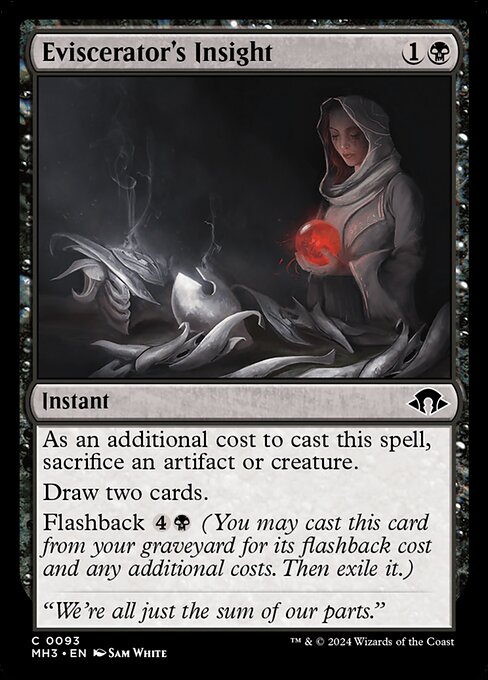
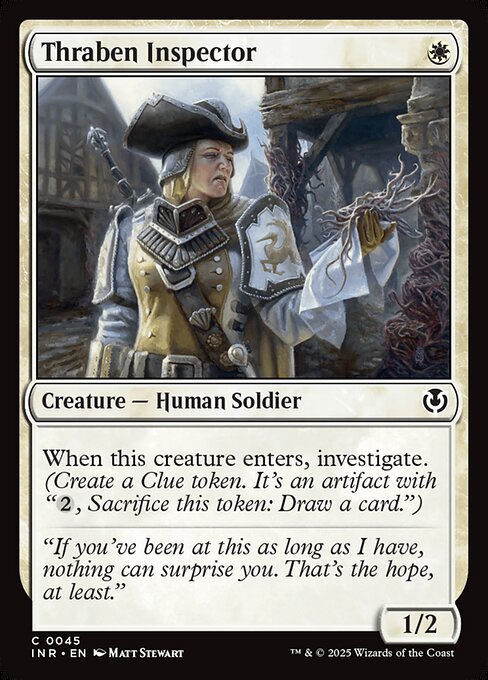
The engine has three layers. Thraben Inspector, Lembas, Tithing Blade and Grim Bauble each pay you once when they enter. Glint Hawk returns an artifact and Kor Skyfisher returns any permanent, so recasting what they pick up pays you again: another draw, another forced sacrifice, another -2/-2, another Clue. Eviscerator's Insight then converts an artifact or Clue that has done its work into two new cards.
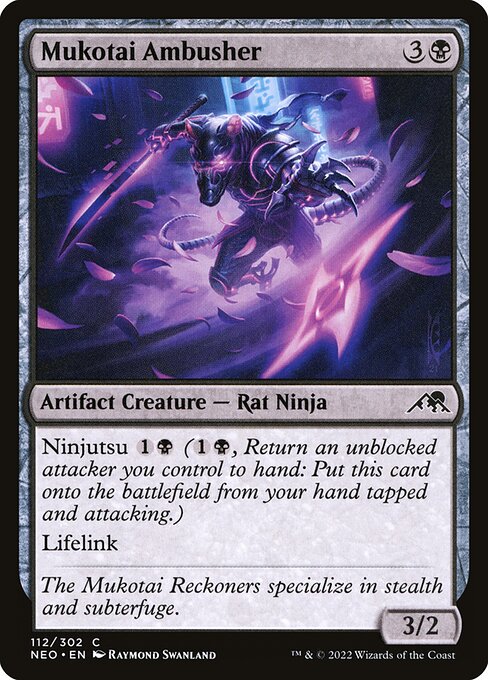
A game opens with Thraben Inspector and the cheap artifacts. The bounce creatures follow, replaying those artifacts while they attack over ground blockers. Once an attacker gets through unblocked, Oroku Saki, Shredder Rising can be cast for his Sneak cost by returning that attacker to hand. He enters attacking, draws a card and costs you 1 life each time he connects, and the returned creature comes back down later for another trigger. enters the same way through ninjutsu as a lifelink attacker. The game closes on combat damage from the fliers, the ninjas and , at a steady pace, not a fast one.
The Cards
Glint Hawk
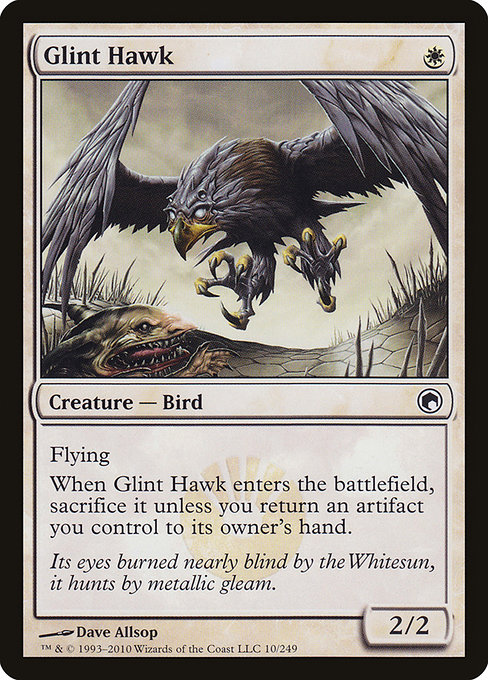
A 2/2 flier for one mana is the best rate in the deck, and what it asks in return is an artifact picked up to hand. Cast it after Lembas or Tithing Blade whenever you can, so the return buys another enter trigger and does not pick up an artifact land. Leading with it early off a lone artifact land is correct only when you need the fastest clock available.
Kor Skyfisher
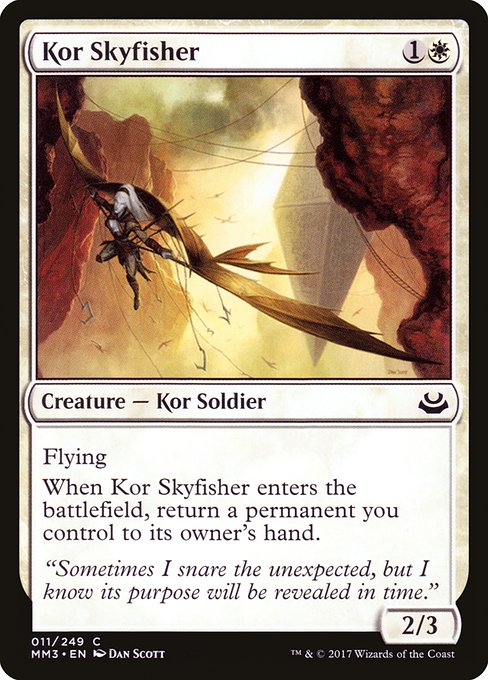
The sturdiest body in the main deck, and the only creature with 3 toughness. It returns any permanent, not just an artifact, so it can pick up Thraben Inspector for another Clue or Omen of the Dead for another creature back from the graveyard, which Glint Hawk cannot. The return is mandatory, so cast it on a turn when there is something you want back.
Lembas
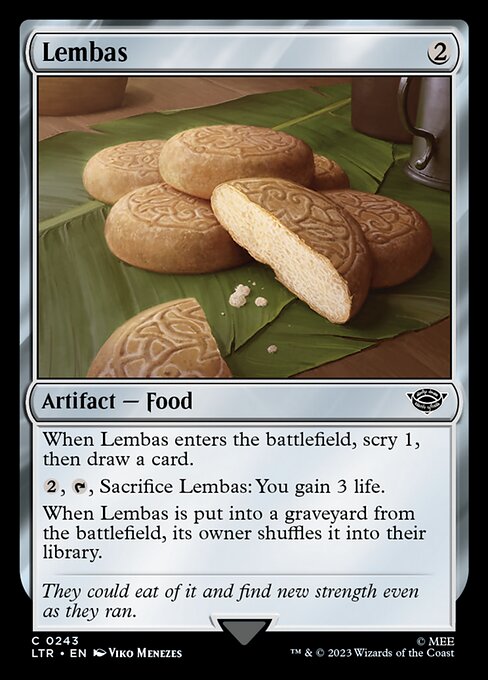
The best artifact to replay. It replaces itself on entry and improves the next draw, so every recast is another card for two mana. It is also the first sacrifice to reach for when Eviscerator's Insight needs one, because it shuffles back into the library once it hits the graveyard and will be drawn again. Late in the game, spare mana turns it into 3 life.
Thraben Inspector
Role Assignment
Glintblade is a midrange deck with a slow clock and a strong long game against fair opponents. Its role changes with what sits across the table, and the same hand plays very differently depending on which role you take.
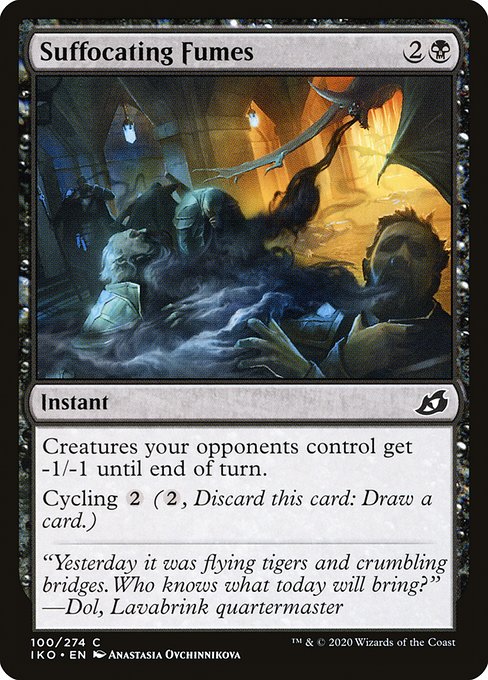
Vs. Aggro. You are the control. An aggro deck cannot beat repeated Lembas draws, Mukotai Ambusher's lifelink and a crafted Consuming Sepulcher in a long game, so your job is to get there with a healthy life total. Board width decides how. A wide board of small creatures makes Tithing Blade weak, so the work falls to Grim Bauble, Suffocating Fumes and blocking. The play that shows the role is using Glint Hawk to recast Grim Bauble on a second small creature while Kor Skyfisher stays home to block, instead of attacking with both.
Vs. Midrange. You are the control by default, because you have inevitability against decks that trade one for one. Their removal trades badly: killing a Kor Skyfisher that has already replayed a Lembas answers the body after the value is banked. Hold Tithing Blade until their board is one real threat, then craft it once the board stalls and let the drain finish. The exception is a midrange deck with a bigger engine than yours. Against that you become the beatdown and race in the air before the engine takes over.
Vs. Control. You are the beatdown, but a patient one. A control deck out-draws you over a long game, and a cheap sweeper lines up well against a board of small fliers, so pressure has to come from few cards. Keep one or two attackers on the battlefield and the rest in hand to rebuild. The defining play is casting Oroku Saki, Shredder Rising through Sneak behind an unblocked flier: the flier returns to hand where a sweeper cannot reach it, and every hit from Saki draws a card. Your creature removal has few targets here, so 's discard and the craft side of carry more of the load.
Play Patterns
- Get an artifact worth replaying onto the battlefield before you cast Glint Hawk. With only artifact lands in play, the Hawk has to pick one of them up, and you spend a land drop putting it back with nothing gained. With Lembas or Tithing Blade out first, the same return sets up another draw or another forced sacrifice once you pay to recast it. Lead with the Hawk early only when the fastest possible clock matters more than the value.
- When Oroku Saki, Shredder Rising enters through Sneak, return the unblocked attacker whose trigger you want back, and count the damage you are swapping. The returned creature deals no combat damage that turn, so the ninja adds only the difference between his power and the power you picked up. Returning Thraben Inspector adds 2 damage and puts a one-mana Clue back in your hand. Returning Glint Hawk or Kor Skyfisher adds only 1, so make that swap when you want their return trigger again and can afford to recast them. Picking up your hardest hitter adds nothing and can lose a race. The same accounting applies to Mukotai Ambusher's ninjutsu.
- Hold Tithing Blade replays until the opponent's board is at its narrowest. The opponent picks the creature, so a Blade recast into a wide board removes only their worst body and wastes the return from Glint Hawk or Kor Skyfisher. Against exactly one creature it is your cleanest answer, and one of the few that works on a threat your targeted removal cannot touch. Clear the small creatures with other removal first when you can, then replay the Blade.
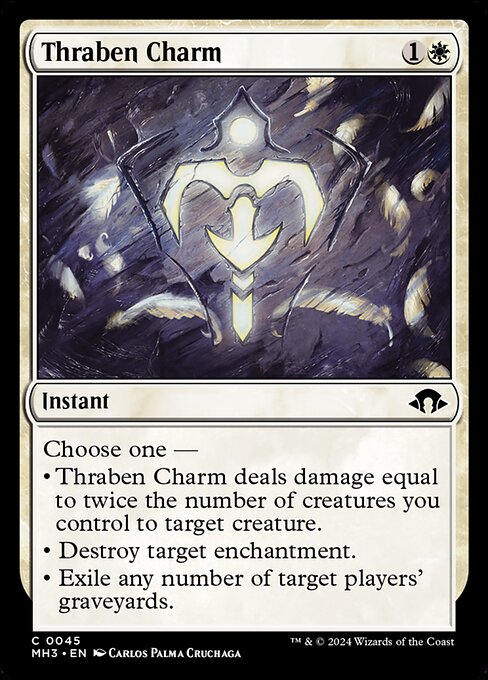
- Check Thraben Charm's damage before you trade or chump block. The damage counts your creatures as the Charm resolves, and every creature you lose first takes 2 off it. A Charm cast before blocks or before a trade kills creatures the after-combat version cannot. Decide what the Charm needs to kill at the start of the turn, and cast it while the count is still high enough.