







Introduction
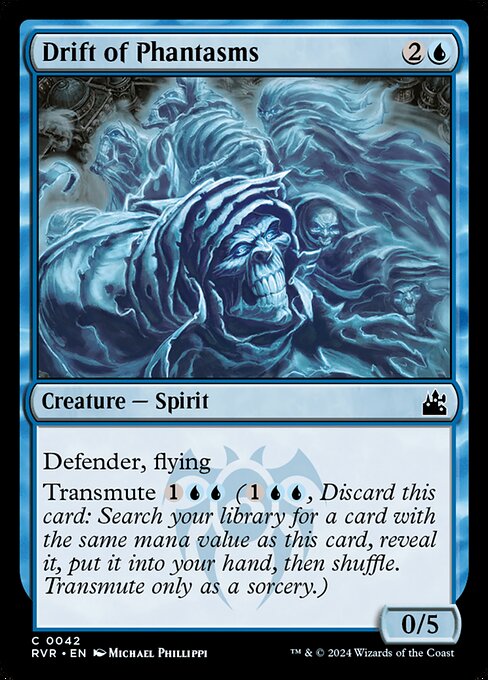
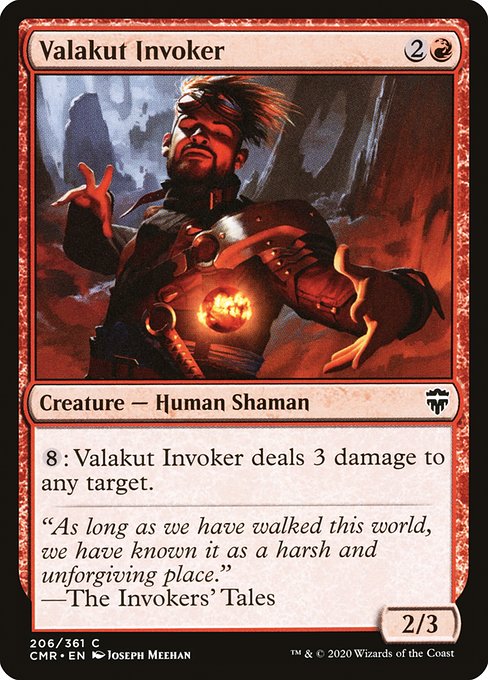
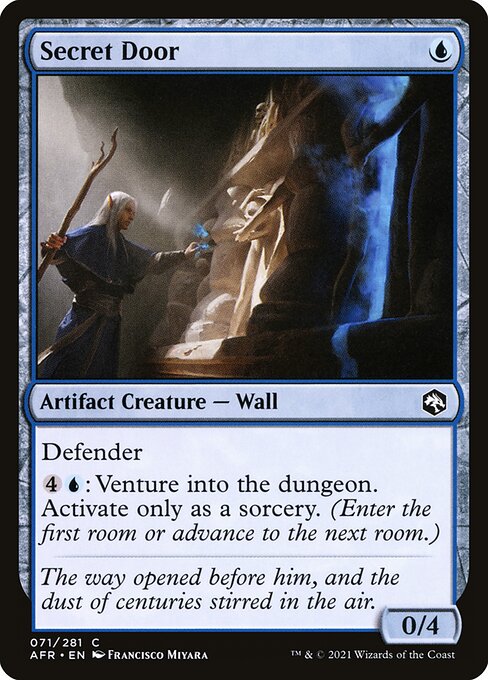
Walls Combo is a green creature deck that plays a pile of cheap defenders, taps Axebane Guardian for one mana per defender, and untaps it with Freed from the Real or Galvanic Alchemist until the mana is unbounded, at which point Valakut Invoker or Secret Door ends the game. Drift of Phantasms transmutes for whichever three-mana piece is missing, and the same walls that make the mana also stop ground creatures cold. It is a niche choice, at 0.4% of the field, which means most opponents have not practiced against it and often misjudge what the board of 0/3s and 0/4s is about to do.
The deck beats creature decks that attack on the ground, where the walls blank the offense while the combo assembles, and ramp decks whose big plays arrive after the mana loop is already online. It is favored against Monster Tron, Jeskai Ephemerate, Elves, Mono Red Rally, White Aggro, Naya Gates, Ephemerate Tron, Gruul Ramp and Bogles.
It struggles against flier-based tempo decks that pair evasive attackers with counterspells and cheap instant-speed removal, against combo decks that ignore the board and race, and against midrange decks stocked with removal that can wait for the single-copy pieces and answer them one at a time. It is unfavored against Mono Red Madness, Mono Blue Faeries, Spy Combo, Jund Wildfire, Grixis Affinity, Dimir Faeries, Golgari Gardens, Familiars and Cycle Storm.
General Strategy
Nearly every card in this deck exists to get Axebane Guardian onto a table full of defenders and then untap it more cheaply than it taps. The defenders are not there to attack and only incidentally to block; each one raises the amount of mana Axebane Guardian and Overgrown Battlement make with a single tap. Once Freed from the Real is attached to Axebane Guardian with another defender beside it, or Galvanic Alchemist is paired with it over a fuller board, every untap costs less than the mana it returns, and the mana becomes unbounded in any color you want. The priority that decides most games is protecting the moment Axebane Guardian gets enchanted: everything before it is setup, everything after it is a formality, so you arrange the board and your tutors so that the untap piece lands when it cannot be punished, and you resist spending it early into open mana.
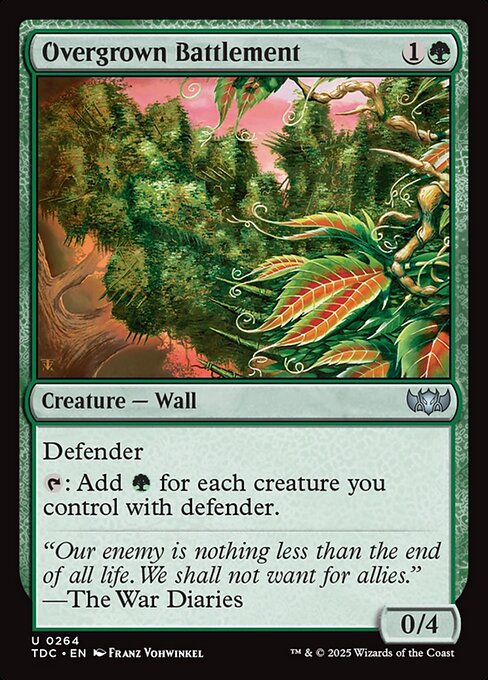
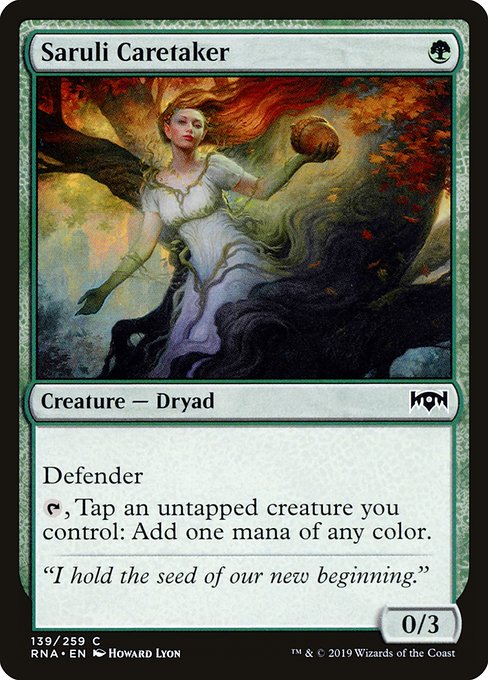
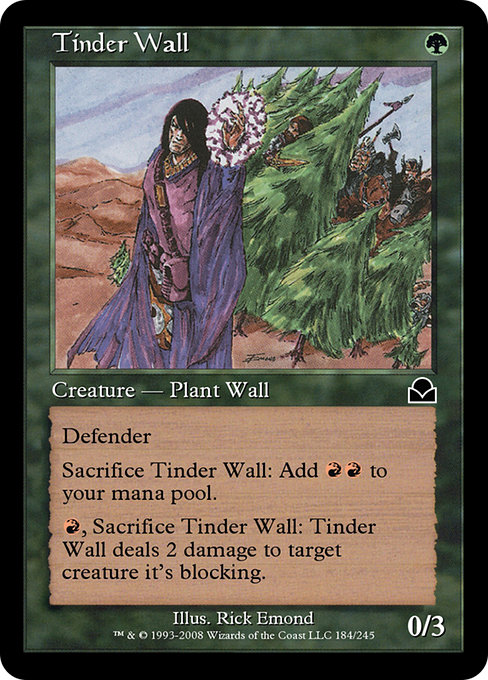
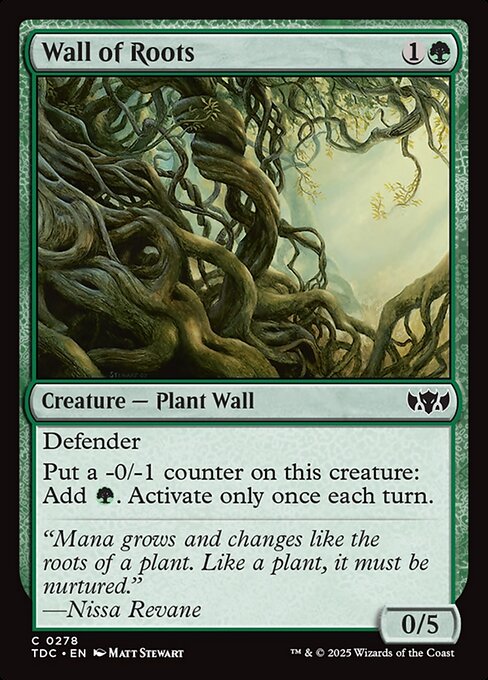
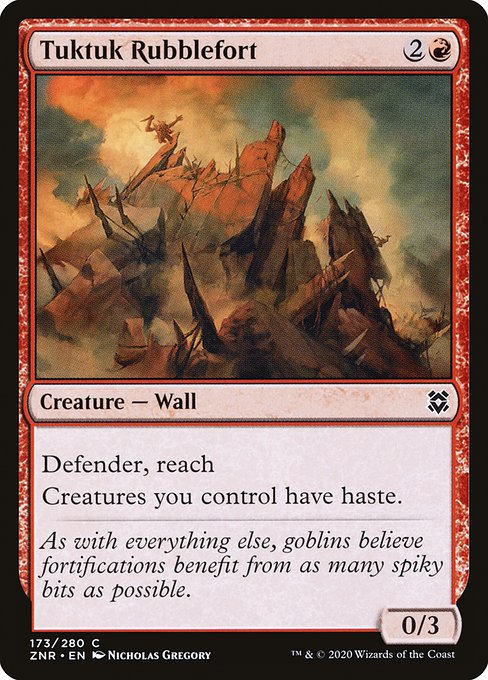
The engine is a set of cheap defenders feeding two mana walls. Saruli Caretaker, Tinder Wall, Wall of Roots, Secret Door and Drift of Phantasms each add one mana to every activation of Overgrown Battlement and Axebane Guardian, and Saruli Caretaker also supplies the off-color mana the Forests cannot, tapping a summoning-sick wall as its cost. With Freed from the Real on Axebane Guardian, a tap for two or more mana and an untap for one blue nets mana every cycle; with Galvanic Alchemist paired to it, the untap costs three, so the board needs four defenders including Axebane Guardian itself before the loop turns a profit. transmutes for any three-mana piece, fetches a defender, buys a second activation by bouncing a Forest, and gives your creatures haste so a freshly cast taps the turn it lands.
The Cards
Axebane Guardian
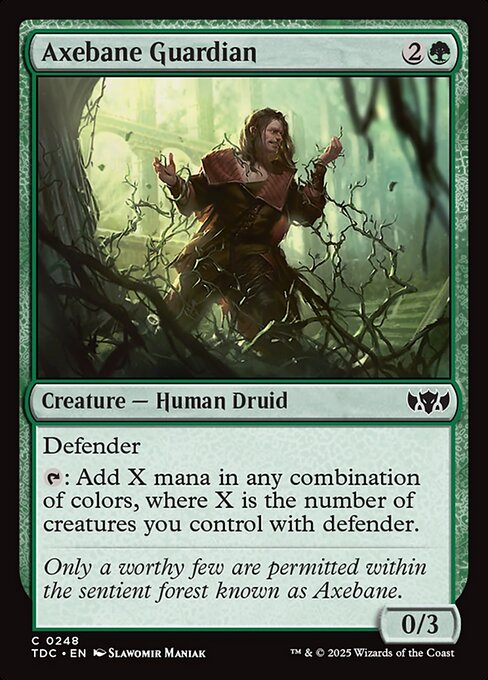
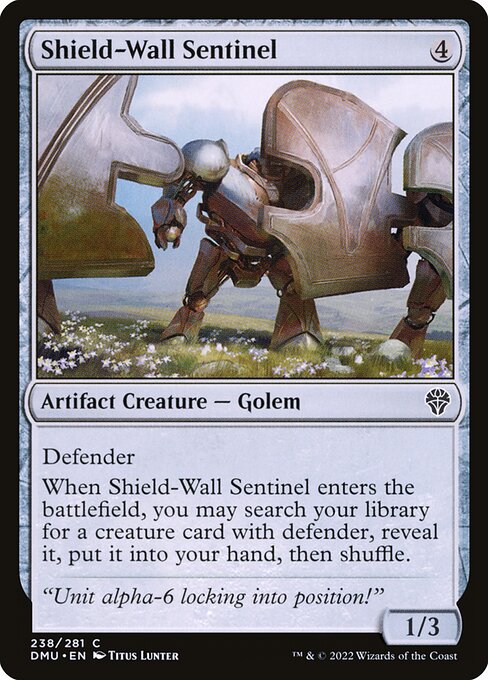
The card the whole deck is built around. It taps for one mana per defender you control, itself included, in any combination of colors, which makes it both the biggest mana source on the table and the deck's only reliable way to produce blue, red and black in quantity. Every tutor in the list can find it: Shield-Wall Sentinel searches for it directly and Drift of Phantasms transmutes into it.
Freed from the Real
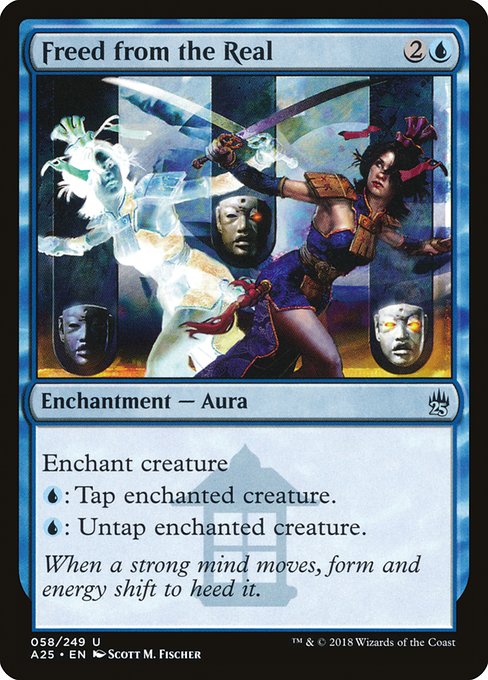
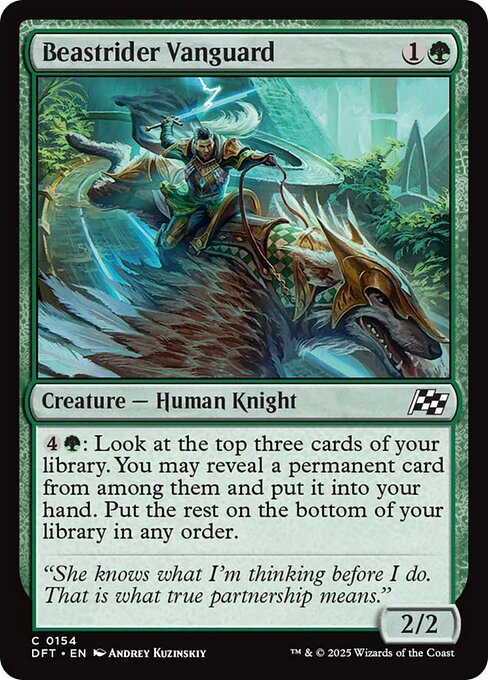
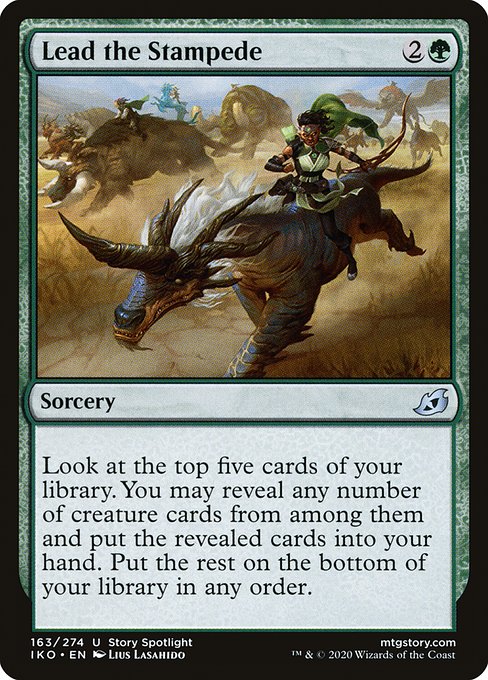
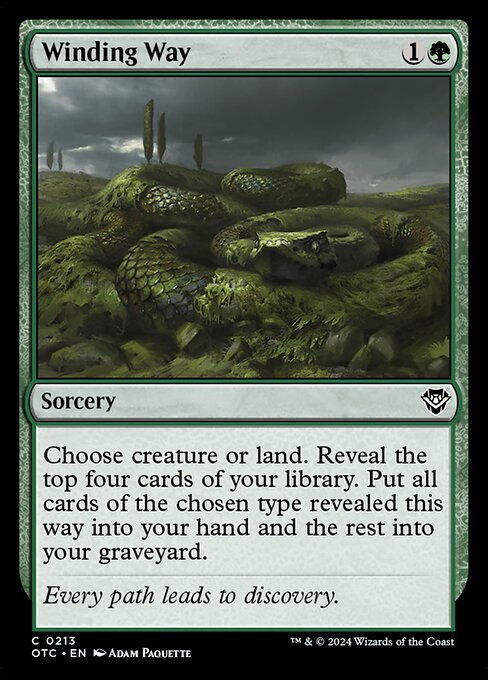
The cheap untap piece. On Axebane Guardian with at least one other defender out, paying one blue to untap a creature that taps for two or more mana is a profit on every cycle, and the mana is unbounded from that point. It is a single copy, so it is usually found rather than drawn: Drift of Phantasms transmutes for it and Beastrider Vanguard can dig it up as a permanent card, while Lead the Stampede and Winding Way pass it over.
Galvanic Alchemist
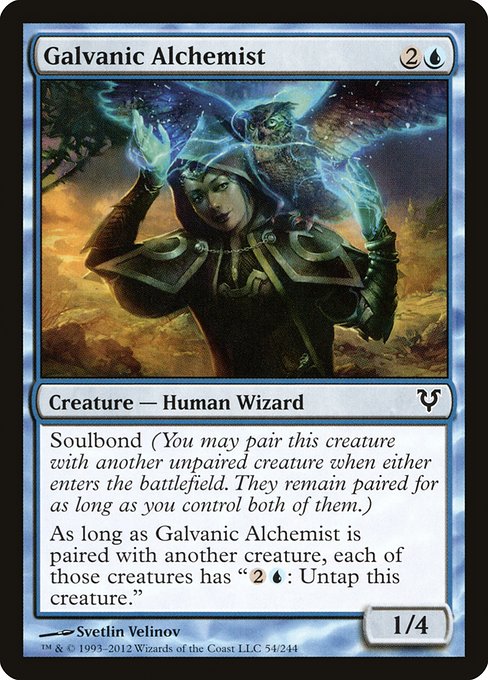
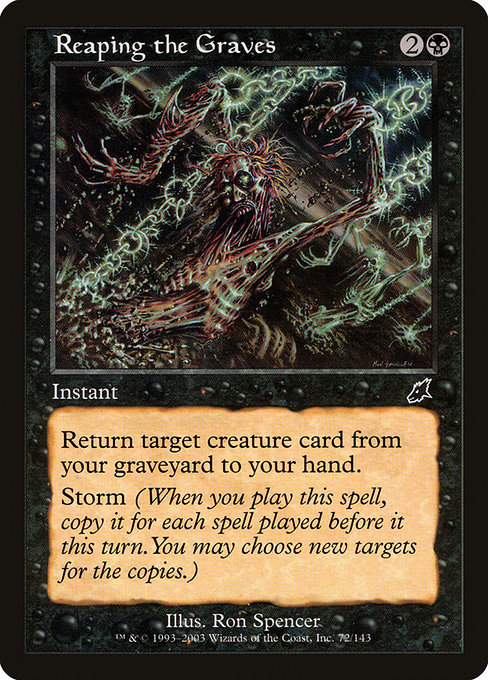
The backup untap line. Paired with Axebane Guardian through soulbond, it grants an untap for three mana, so the loop only turns a profit once you control four defenders counting Axebane Guardian itself. It pairs when either creature enters, so you can cast it after Axebane Guardian is already on the table. Being a creature card matters: Reaping the Graves can return it, which the Aura can never enjoy, and its four toughness survives most cheap burn.
Role Assignment
Walls Combo is a linear, tempo-positive combo deck with a turn-four-to-five kill, medium inevitability, and almost no dedicated interaction: Tinder Wall can eat one small attacker it blocks, Valakut Invoker is repeatable removal only once the walls make eight mana a turn, and Freed from the Real is technically a tap-down effect you never want to spend that way. What the deck has instead of answers is a wall of 0/3s, 0/4s and 0/5s that makes ground combat pointless. So the role question in every matchup comes down to two things: does the opponent's damage come through the walls at all, and can they answer Axebane Guardian at instant speed on the turn it gets enchanted.
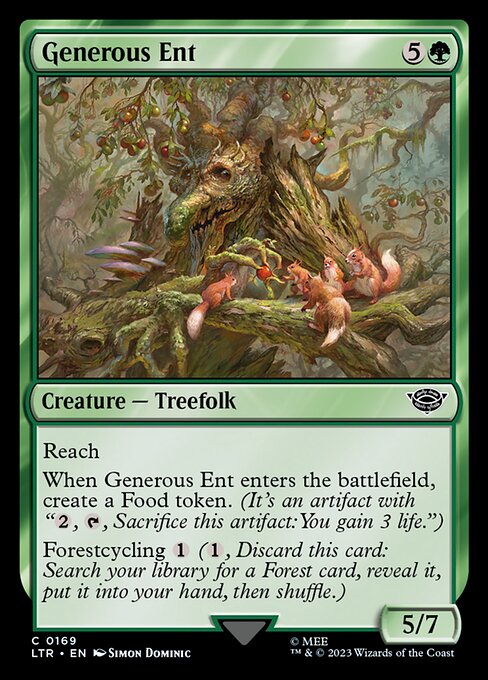
Vs. Aggro. Against creature aggro you are the control. Their plan is to attack, and every defender you cast blanks another attacker while raising your mana count, so the walls do the stabilizing for free and you assemble the combo behind them at your own pace. The play that shows the role is choosing the extra defender over the tutor when both are affordable: a fourth wall on the table both stops the next attacker and makes the eventual loop pay off faster, while a tutor cast into a losing board finds a piece you cannot afford to use. The exceptions are the aggro decks whose damage comes from fliers or burn rather than ground creatures; there the walls stop nothing, the role flips to a race, and Drift of Phantasms is cast as a flying blocker rather than transmuted, with Generous Ent's reach and Food as the life buffer.
Vs. Midrange. Against removal-heavy midrange you are the beatdown, and the game is fought over your single-copy pieces against their supply of answers. They cannot pressure you through the walls, so they will sit on instant-speed removal and wait for Axebane Guardian; assume the kill spell is aimed at the Guardian, not at a cheaper wall. The play that defines the role is casting Axebane Guardian only on a turn where you also deploy a tutor or another wall with your other mana, so a removal spell on it costs you one card rather than a whole turn, and holding Reaping the Graves to rebuy it the moment it dies. Your tutors and recursion outlast a finite stack of removal; your job is to make them spend it before the untap piece is committed.
Play Patterns
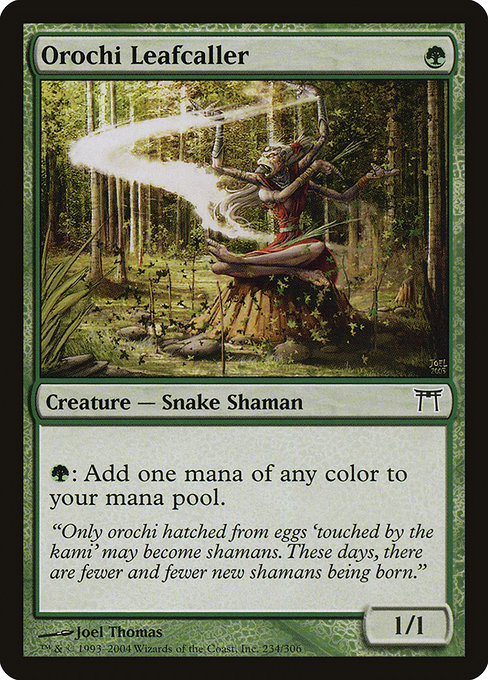
Put Freed from the Real on Axebane Guardian, and pair Galvanic Alchemist with Axebane Guardian, never with Overgrown Battlement, unless Orochi Leafcaller is on the table. Both untap costs include a blue mana on every cycle. Axebane Guardian makes mana in any colors, so each tap pays for its own untap and the rest is profit: with two defenders out the Aura loop nets one mana per cycle, and with four the Galvanic Alchemist loop does the same. Overgrown Battlement only makes green, so a loop built on it runs exactly as long as your one-shot blue sources and then stalls with the Aura stranded on the wrong wall. Orochi Leafcaller changes that, converting one of the Battlement's green into the blue each cycle, and is the only way the Battlement version keeps going.
Once the Aura is attached and Valakut Invoker is on the table, answer removal or a sweeper by looping the mana and firing the Invoker in response rather than waiting for your main phase. Axebane Guardian's mana ability, Freed from the Real's untap and Valakut Invoker's activation all work at instant speed, and an activation already on the stack still resolves after its source dies. So when the opponent points a kill spell at the Guardian or the Invoker, or casts a sweeper on their own turn, you loop with the spell still waiting underneath and deal the damage before it resolves. The only parts of the deck locked to your own main phase are Drift of Phantasms's transmute and Secret Door's venture, which is why the Invoker is the kill you want already resolved before passing the turn.