






Introduction
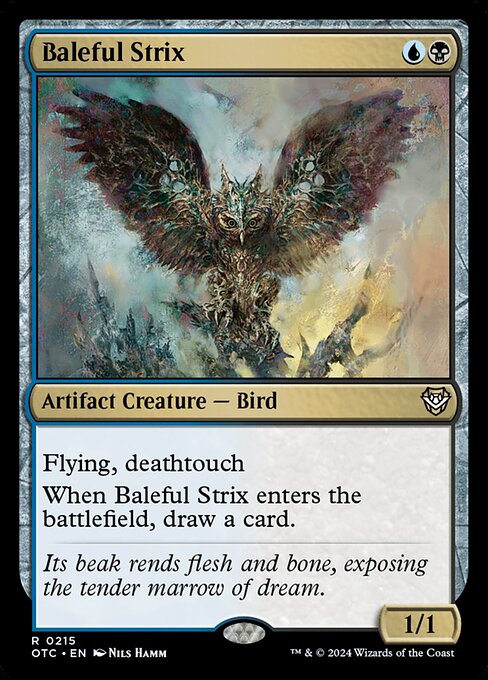
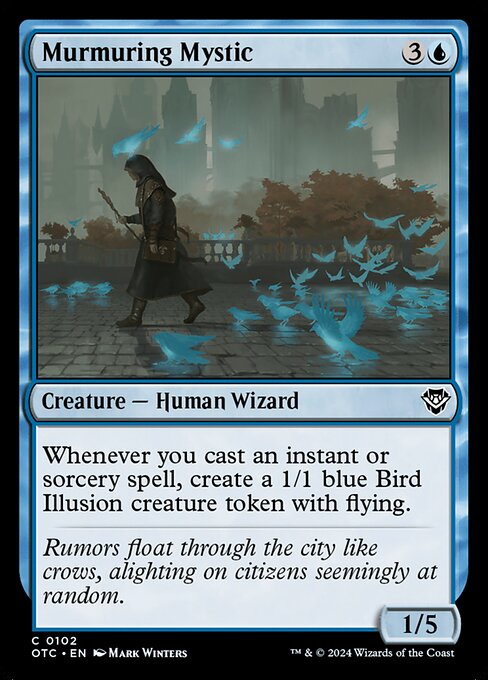
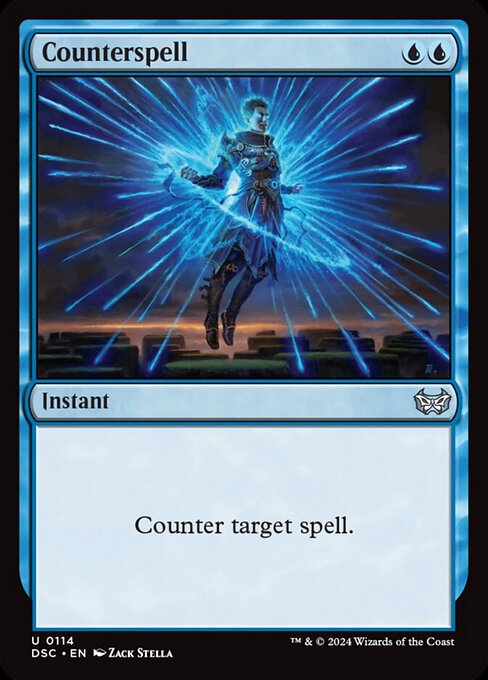
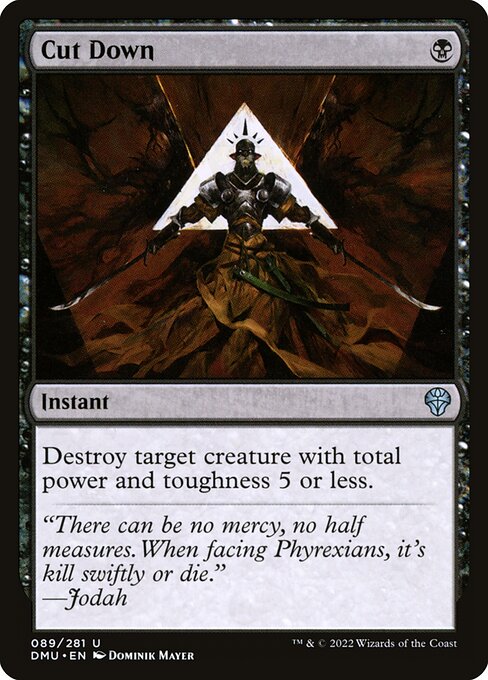
Esper Ephemerate is a reactive deck that answers what the opponent does one card at a time, with Counterspell for the spell that matters and Cut Down or Dispatch for the creature that connects, and then pulls ahead by flickering Mulldrifter, Baleful Strix and Archaeomancer with Ephemerate, which rebounds for another free flicker. The games it wins are long ones, closed out in the air by small fliers and the Bird tokens Murmuring Mystic makes from the spells you were casting anyway.
It is a small slice of the field, at 0.6% of the metagame. The results are better than the share suggests: Kirblinxy took a copy to 12th place at the September 26 Pauper Challenge, and the deck has posted a run of 5-0 League finishes through August and September, three of them in the last week of September alone.
The deck beats the blue tempo decks that fight on the stack with threats it can answer one at a time, and the slower combo-control decks that have to resolve an engine through its counterspells and cannot out-grind it once the flicker loop is running. It is favored against Blue Terror and Familiars.
It struggles against fast aggressive decks whose clock arrives before the card-advantage turn and whose threats slip past one-for-one answers, whether hexproof creatures or direct damage that resolves through the counters. It is slightly unfavored against Mono Red Madness and unfavored against Bogles.
General Strategy
Esper Ephemerate wants the game to go long. The early turns are spent answering whatever the opponent commits, Counterspell for the spell that matters, Cut Down or Dispatch for the creature that connects, Baleful Strix as the blocker nobody wants to attack into, until the board is quiet enough to start drawing cards faster than the opponent can deploy threats. The extra cards come from Mulldrifter, Baleful Strix and Archaeomancer entering the battlefield, and Ephemerate makes each of them enter again, then rebounds to do it once more for free. The priority that decides most games is reaching the first Mulldrifter-plus-Ephemerate turn with the life total intact and an answer still in hand: once the engine is running the deck does not run out of cards, so the games it loses are the ones where it fell too far behind before the engine started.
Ephemerate is the reason every creature in the deck but Murmuring Mystic is chosen for what it does when it enters. A flicker on a creature that has already entered buys its trigger a second time, and because the spell rebounds, the same card is cast again from exile at your next upkeep for a third. The best target is an evoked Mulldrifter: flickered while the evoke sacrifice is still waiting on the stack, it returns as a new creature the sacrifice can no longer find, so four mana keeps a 2/2 flyer, draws four cards, and draws two more at the rebound. Baleful Strix is the cheap version, a card per flicker. Archaeomancer turns the whole thing into a loop: the rebound copy is cast from exile rather than from hand, so it goes to the graveyard when it resolves instead of being exiled again, and if its target was Archaeomancer, the trigger picks Ephemerate straight back up. From then on a single white mana each turn buys another flicker, and the loop keeps running for as long as both creatures survive.
The Cards
Ephemerate
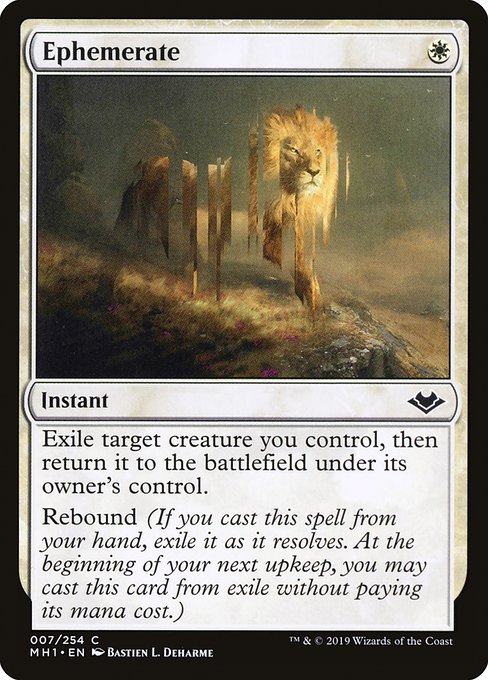
One white mana for two extra enter-the-battlefield triggers: the flicker now and the free rebound cast at your next upkeep. Every creature with an enter trigger is built around it. When a removal-heavy opponent leaves mana open, do not fire it on your own turn for value; hold it until they target the creature, so the flicker leaves their removal with no target while you still collect the trigger. It needs a white source and a creature with an enter trigger to be a card at all, and white is the deck's thinnest color.
Mulldrifter
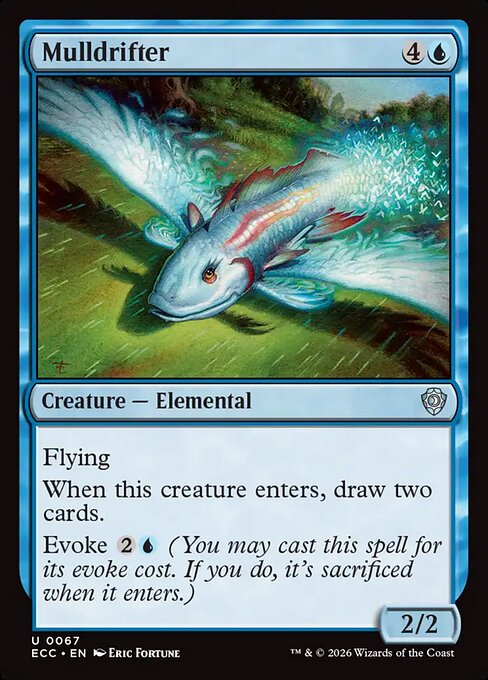
Printed at five mana for a 2/2 flyer that draws two, and evoked for three to draw two with no body. The play that defines the deck is evoking it with Ephemerate ready and flickering it in response to the evoke sacrifice, which keeps the flyer and draws four for four mana. Late in the game it is the mana sink: hardcast it when the loop is not online and the mana is spare, and it is one of the fliers that finishes the game.
Archaeomancer
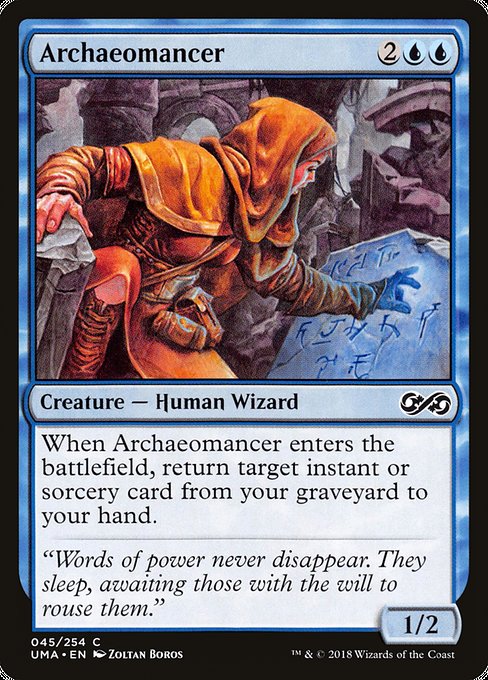
Four mana for a 1/2 whose entry returns an instant or sorcery from the graveyard. Its job is making Ephemerate repeatable: the rebound copy is cast from exile, so it lands in the graveyard when it resolves, and aiming that rebound at Archaeomancer means its trigger returns Ephemerate to hand the same upkeep. When the loop is not the priority it rebuys Counterspell for a key spell, Lórien Revealed for another three cards, or whichever removal spell matches the threat on the board. The body dies to almost everything, so it comes down when you can protect it or after the opponent has spent their removal.
Role Assignment
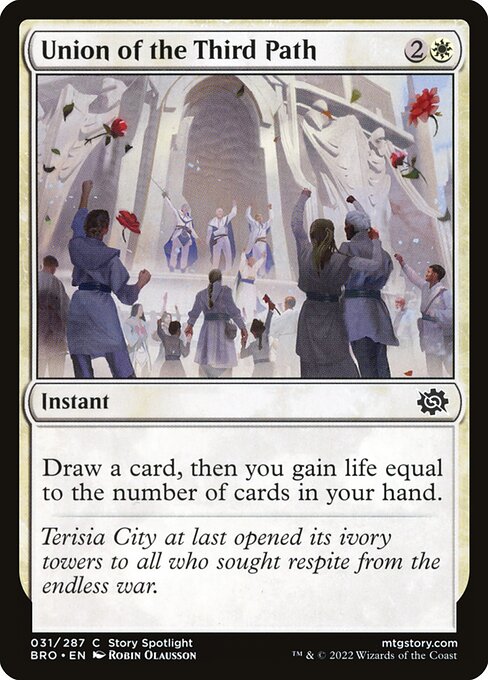
Vs. Aggro. Against aggro you are the control, and the matchup turns on whether their clock beats your four-mana turn. Most of their threats can be answered one-for-one, but the deck is tempo-negative, carries no mainboard sweeper, and attacks with 1- and 2-power fliers, so the early turns are about cheap blocks and cheap answers rather than development. The play that shows the role is Baleful Strix on the second turn held back as a blocker, Cut Down ready for the creature that gets past it, and Counterspell saved for the direct damage that would otherwise resolve through everything else. Union of the Third Path is at its best here, where the life it gains matters most.
Vs. Midrange. Still the control, with a clearer path, because a midrange deck plays threats you can answer one at a time and then has to win a long game against an engine that draws more cards every turn than it can present threats. The axis that decides it is their instant-speed removal: a creature killed in response to Ephemerate is a two-for-one against you, while sorcery-speed removal lets the flicker protect the creature. The defining play is patience with Ephemerate, holding it while they have mana open and flickering in response to the removal, so the loop assembles under their interaction rather than into it.
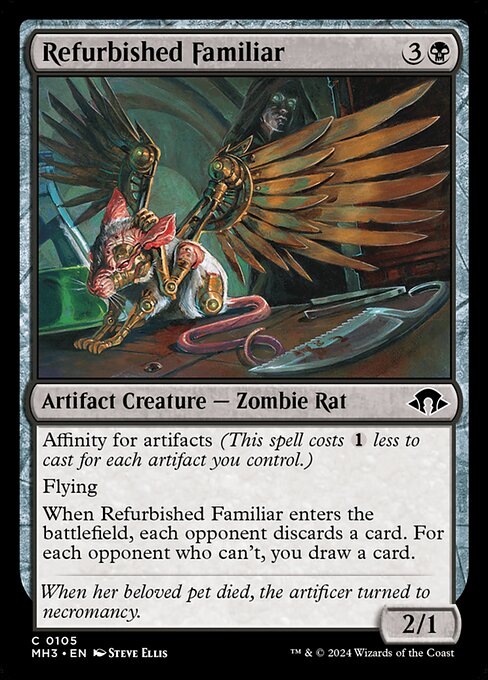
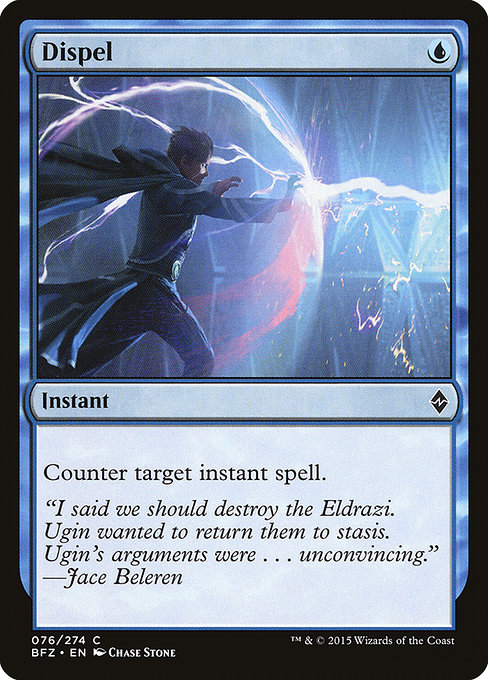
Vs. Control. Against another reactive deck the question is who wins the long game, and the Archaeomancer loop usually means it is you, so you keep the control role and play the slower game: do not cast an engine creature into open counter mana when waiting costs nothing, make them have the answer for Archaeomancer, and let Counterspell and Dispel protect the loop once it starts. Murmuring Mystic is the card that changes the dynamic, since every cheap instant or sorcery you cast now adds a flier, and the Birds give you a clock that does not need to resolve through their counters. You switch to the beatdown only when they hold a win that goes around your answers, an uncounterable spell or a finish that never touches combat, and then 's discard and the fliers have to end the game before it arrives.
Play Patterns
Evoke Mulldrifter and cast Ephemerate on it while the evoke sacrifice trigger is on the stack, rather than hardcasting it and flickering later. The flicker exiles and returns it as a new object, and the sacrifice trigger, which was looking for the old one, finds nothing to sacrifice. Four mana keeps a 2/2 flyer and draws four cards, with the rebound copy drawing two more at your next upkeep. Let the sacrifice resolve first and Ephemerate is left with no target; hardcast instead and you have spent five mana for the same body and only two cards.
Aim the free rebound cast of Ephemerate at Archaeomancer, and spend the copy cast from hand on whichever creature's trigger you want again. The copy cast from hand is exiled by rebound as it resolves, so Archaeomancer's trigger has nothing to find; the rebound copy is cast from exile, which means it goes to the graveyard when it resolves, exactly where the trigger can return it. Reverse the order and Ephemerate sits in the graveyard with no trigger left to fetch it. With Archaeomancer, Baleful Strix and Bender's Waterskin on the battlefield and Ephemerate in hand, tap the Waterskin for white at the opponent's end step and flicker the Strix for a card; at your upkeep the rebound copy flickers Archaeomancer instead, and its trigger hands Ephemerate back for the same end-step flicker next turn.
When a removal-heavy opponent leaves mana open, keep Ephemerate for the moment they target your creature instead of flickering on your own turn for value. A flicker in response makes the creature a new object, so their removal loses its target while you still collect the enter trigger. Cast into open mana on your turn, the opponent kills the creature in response, has no legal target, and it goes to the graveyard without rebounding.