





Introduction
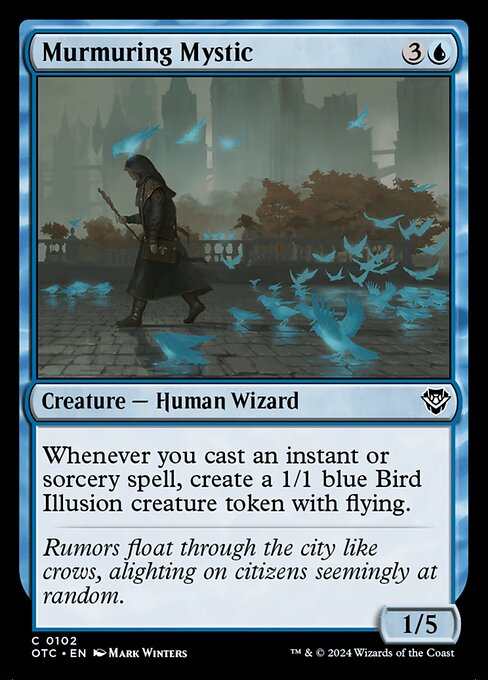
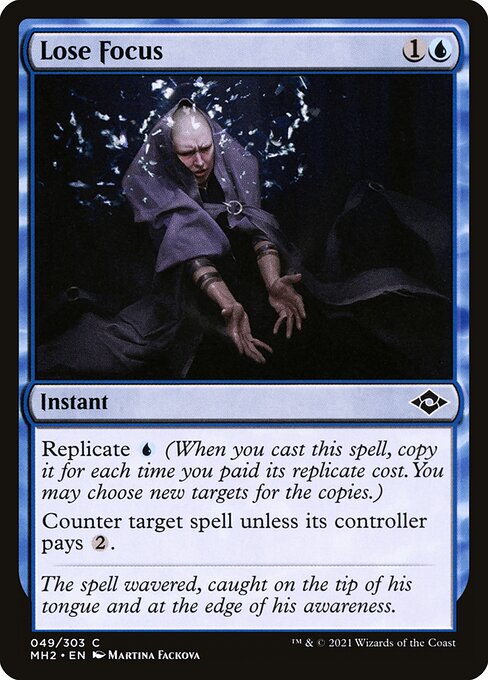
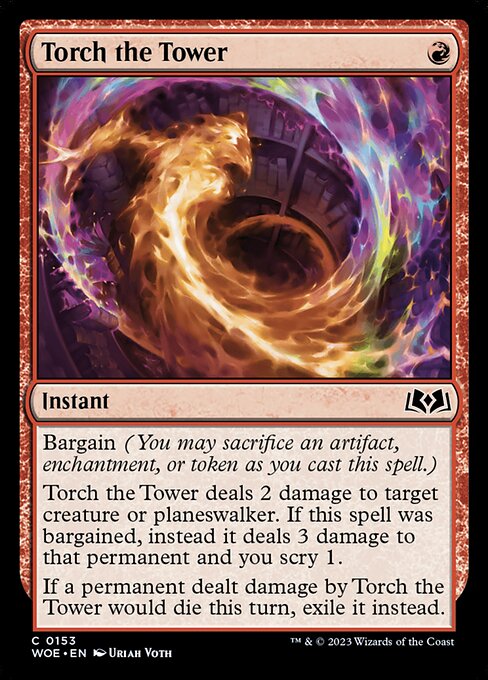
Izzet Terror is a blue-red control deck that spends its early turns casting cantrips and answering the opponent's plays, then lands a cheap Tolarian Terror and keeps the cards flowing with Murmuring Mystic and the monarch. It pairs blue's counterspells with red's burn-based removal, so it can answer a threat either on the stack or once it is on the battlefield.
The deck is a small part of the field at 0.8% of the metagame, but it keeps putting up results. cappe23 went 5-0 in the MTGO Pauper League of September 17, 19LNC91 finished 9th in the Pauper Challenge of September 10, and in paper Vithor took 4th at the Liga Pauper Catarinense stop in Florianópolis on August 16. Copies have kept placing in the Challenge series since. Wizards' Pauper check-in of August 10 changed nothing on the ban list and named Terror decks as a reason players keep graveyard removal at the ready, so expect that hate after sideboarding.
The deck struggles against ramp decks, which make enough mana to pay for its soft counters and land creatures too large for damage-based removal to kill. It is unfavored against Gruul Ramp.
General Strategy
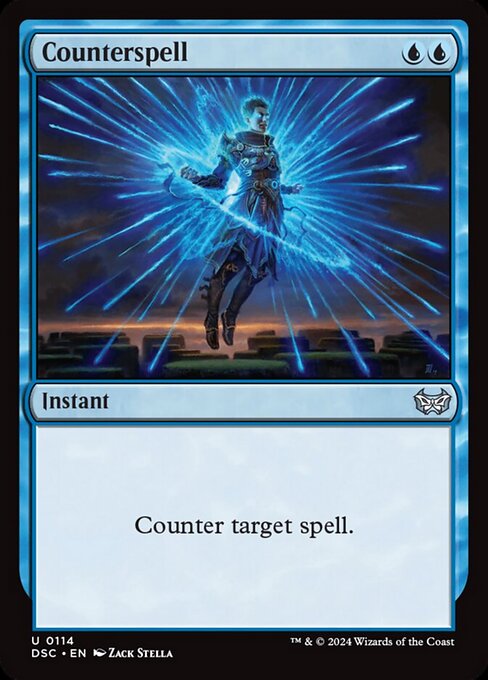
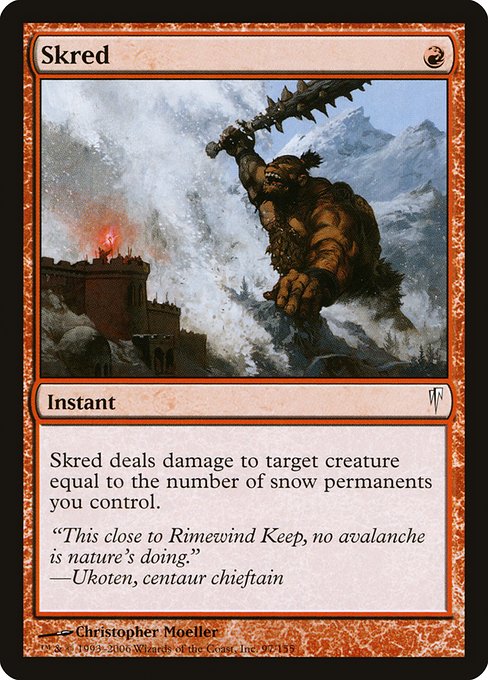
Izzet Terror trades cards with the opponent early and wins with whatever is left over. The first turns go to lands and cheap cantrips, with Counterspell held for the opponent's best spell and Skred or Lightning Bolt for their first creature. Every one of those spells also makes Tolarian Terror cheaper. The priority that decides most games is keeping mana open for answers while the graveyard fills, and tapping low only when the threat you deploy is cheap enough to leave a counter behind it.
The discount counts instant and sorcery cards in your graveyard, however they got there. A resolved Brainstorm, Ponder, or Preordain counts, as does a spent counter or removal spell, and so does a Lórien Revealed discarded to its Islandcycling. Murmuring Mystic rewards the same cards differently: it makes a flying Bird Illusion token whenever you cast an instant or sorcery, so cycling Lórien Revealed feeds the Terror but makes no Bird.
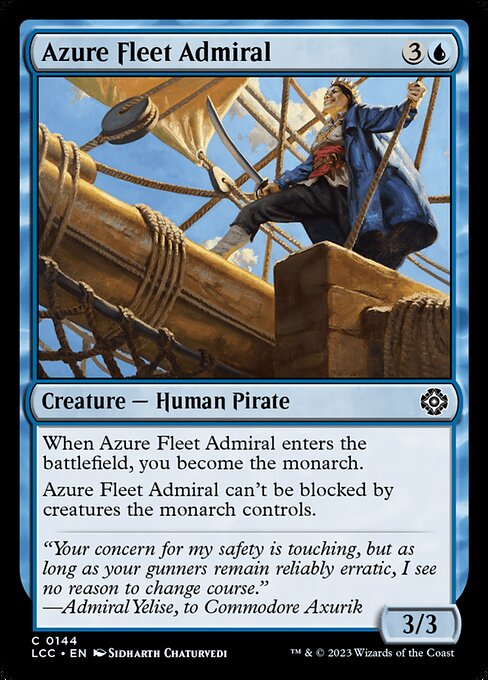
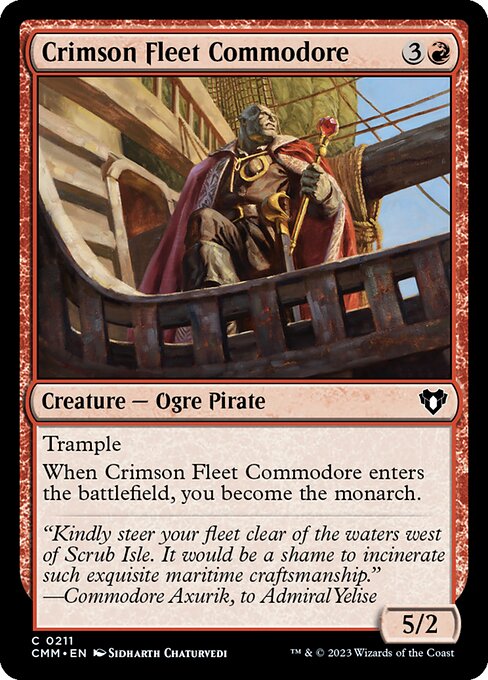
A game runs in three phases. During setup you make land drops, cantrip toward the cards the game calls for, and spend answers one for one. The payoff comes once the graveyard is deep enough that Tolarian Terror costs only a few mana, which often lets it land with counter mana still open. The close is combat: the Terror attacks each turn while Murmuring Mystic, Azure Fleet Admiral, or Crimson Fleet Commodore follows to add attackers and extra cards. Lightning Bolt can finish the last few points.
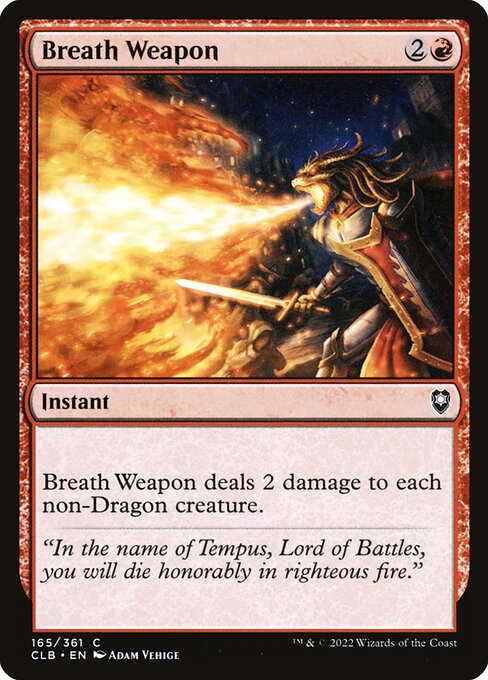
When the Terror is killed, or the opponent fills the ground with small creatures, the deck plays a longer game. Breath Weapon clears the small creatures. Murmuring Mystic turns each cantrip into a Bird that blocks or attacks in the air. A monarch creature draws an extra card every turn, and Lórien Revealed refills the hand until the next Terror shows up.
The deck is slow to put a threat on the table and has no lifegain in the main deck. A fast creature start or a burn-heavy draw can take more life than you can afford before the Terror arrives, so early removal has to go on the creatures doing the damage.
The red mana is thin. Only about nine lands make red, so red removal can sit in hand while Counterspell asks for double blue at the same time. Plan land drops and Lórien Revealed searches around the color you are missing.
The threat count is low. With nine creatures in the list, a removal-heavy opponent can run you out of them in a long game, so protect the creature you have with a counter when you can.
The Cards
Tolarian Terror
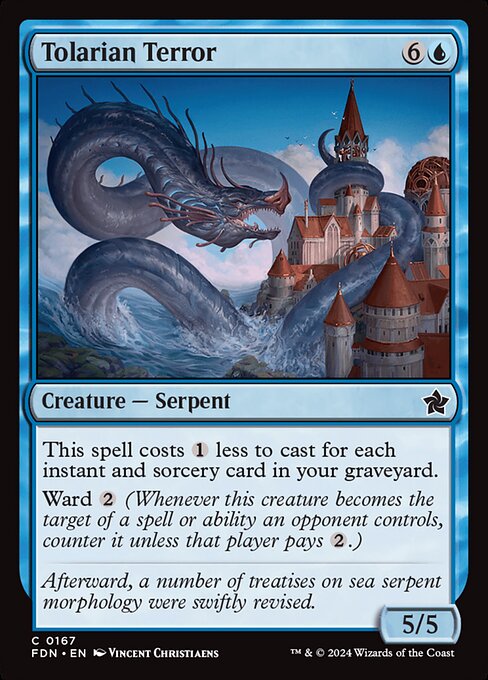
The main threat. Its printed cost is seven mana, but in a deck full of cheap spells it usually costs two or three by the middle of the game. A 5/5 at that price wins most combats and ends the game in four attacks. Ward 2 makes targeted removal expensive or counters it outright, though a sacrifice effect ignores the ward and an opponent with spare mana simply pays. Graveyard hate that exiles your instants and sorceries pushes the price back toward seven until new spells refill the graveyard, so against it, cast the Terror as soon as it is affordable.
Brainstorm

The strongest cantrip in the deck and the one most often wasted. Cast early with no shuffle available, it leaves you drawing the two cards you put back. It is best held until a shuffle is ready or until you need a specific answer right now. At instant speed it also hides your two best cards on top of the library from a discard effect.
Ponder
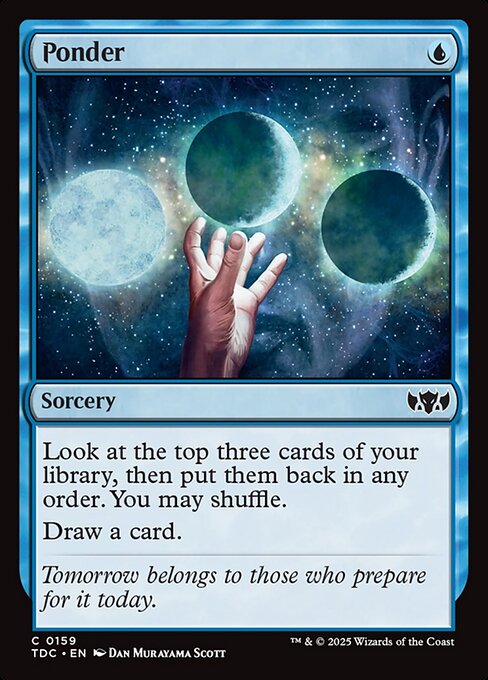
The cantrip to cast on the first turn. It looks three cards deep, and the optional shuffle gets rid of three bad ones, which makes it the best at finding a missing land or red source. Being a sorcery, it competes with holding up counter mana, so cast it on turns when the opponent has nothing worth countering yet.
Preordain

A second early cantrip that sends unwanted cards to the bottom without a shuffle. That matters when Brainstorm or Ponder has already arranged the top of the library. Like the other cantrips, it puts a card in the graveyard for Tolarian Terror and makes a Bird with in play.
Role Assignment
Izzet Terror is a control deck with high inevitability and a tempo-negative early game. It gives up the first turns to cantrips and held mana, and takes them back through card advantage from the monarch, Lórien Revealed, and a threat that costs far less than it should. That makes it the control deck in most pairings. The matchups where it has to become the beatdown are the ones where its removal has no targets.
Vs. Aggro. You are the control. The axis is speed: whether the opponent deals enough damage before the Terror and the counters take over a deck with no lifegain. Spend removal on curve, even on modest creatures, because life total is the resource you can barely rebuild, with only a sideboard Campfire to gain any back. The play that shows the role is keeping a Tolarian Terror back as a blocker for the first turn or two and casting Breath Weapon during the opponent's turn. Start attacking only once the board is stable. A monarch creature goes down only when the opponent's attackers can't connect and take the crown.
Vs. Midrange. You are the control, and the game is attrition. The opponent's removal lines up poorly against a creature with ward, and your card advantage engines outlast theirs if the monarch stays on your side. The axis to watch is whether their creatures die to two or three damage. Where they do, trade removal one for one and let the extra cards decide it. Where they don't, save Counterspell for the creatures burn can't kill and a mid-game Skred for the biggest one that resolves. The play that shows the role is a monarch creature cast behind a Terror that can block, so each turn adds a card for you and none for them.
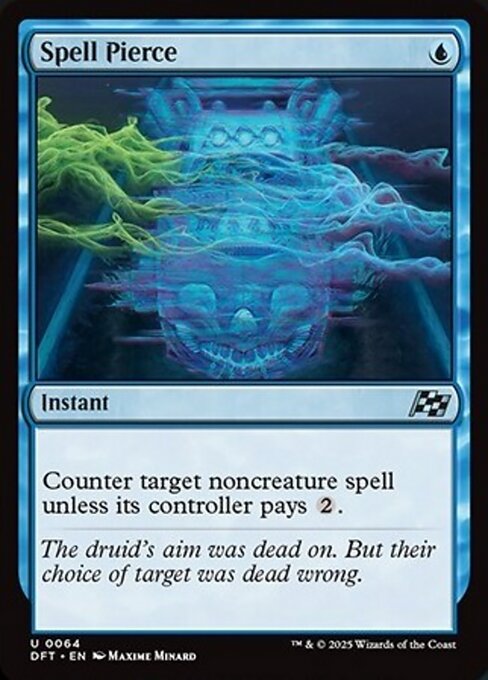
Vs. Control. You are the beatdown. Your creature removal is dead or close to it, so a long game with a hand of burn favors the opponent's live cards. Your advantage is that the threat is cheap. Cast Tolarian Terror with Spell Pierce or Counterspell mana still open, make the opponent act first, and counter the answer. Follow with a monarch creature when they tap low. One protected threat is enough. Don't commit a second into a sweeper or a sacrifice effect when the first is already attacking, because the deck has few threats to lose.
Play Patterns
- Cast your cantrips before Tolarian Terror in the same turn, never after it. The discount is counted once, as you pay for the Terror. Each Brainstorm or Ponder that has already resolved makes it one mana cheaper, and a cantrip cast afterwards refunds nothing. Take a turn-five board of Murmuring Mystic, five lands, and two spells in the graveyard, where the Terror costs five. Cast two one-mana cantrips first: each makes a Bird and the Terror drops to three, so all three spells fit in the five lands.
- Islandcycle Lórien Revealed for Volatile Fjord when you need red or a second color, and for a Snow-Covered Island only when the land must enter untapped. The Fjord has the Island type, so the search finds it. It fixes both colors and counts as snow for Skred. It enters tapped, so search a turn before you need the mana.
- Brainstorm first, then shuffle. Cycling Lórien Revealed and sacrificing Perilous Landscape both shuffle your library, which turns the two cards you put back into fresh draws. Shuffling before the Brainstorm, or after Ponder has arranged the top of the library, throws that selection away. With an Island and Perilous Landscape in play, cast Brainstorm at the end of the opponent's second turn, put back the two cards you need least, then sacrifice the Landscape for a Snow-Covered Mountain. The shuffle buries those two cards and the Mountain untaps on turn three.
- Cast a monarch creature only when your board can stop the opponent's attackers, and attack with Azure Fleet Admiral at an opponent who has taken the crown. The monarch changes hands whenever a creature deals combat damage to the player holding it. Taking it behind a Terror or a that can block keeps the extra card each turn on your side. Taking it on an open board gives those cards to the opponent. When they do hold the crown, their creatures can't block the Admiral, so its attack takes it back. has no such protection and needs a clear path or trample damage to do the same.