





Introduction
Food Gardens is a black-green deck that almost never wins by attacking. It spends cards that cost nothing to lose, cheap artifacts like Nutrient Block and Lembas and a Cauldron Familiar that keeps climbing out of the graveyard, as the price of removal, extra cards, and a steady trickle of life drains, then takes over the late game with Pestilence and a hard-to-block Troll of Khazad-dûm. It is a niche choice at 0.6% of the field, which means most opponents have seen it far less often than the format's headline decks.
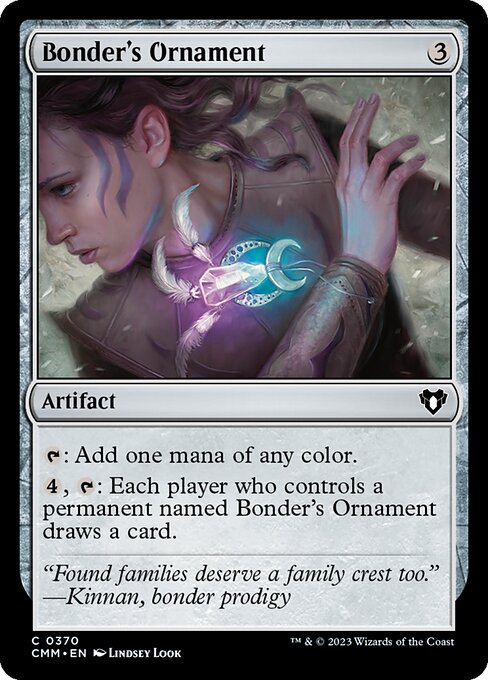
The small share has not stopped it from posting results. KingZiggy took the deck to 5th place with a 5-2 record in the Pauper Challenge on September 6, 2026, True-Name-Nemesis reached the Top 8 of the June 20 Challenge with it, and copies have kept putting up 5-0 League runs from late August into mid-September. Its late-game mana sink is also safe for now: the August 10 Format Check-In confirmed that Bonder's Ornament stays legal, citing its play in Gardens lists.
What you are signing up for is a deck that trades one small resource at a time and expects to be the last one with cards. The rest of this guide covers how the sacrifice loop actually generates that edge, which cards carry it, the role you take against each kind of opponent, and the sequencing habits that separate a Familiar that drains six times from one that dies once.
General Strategy
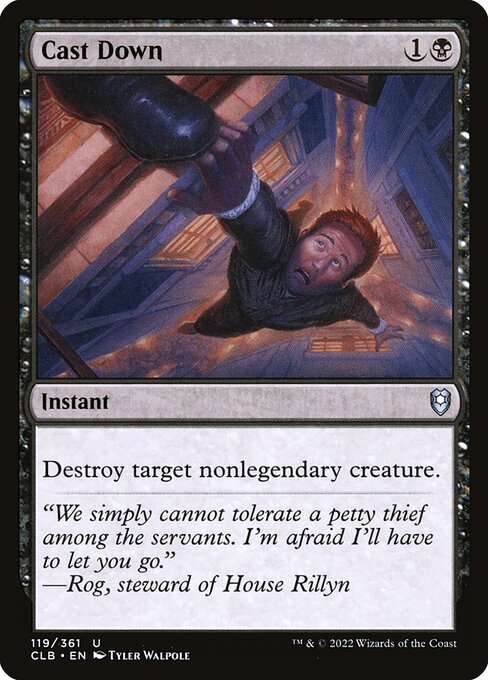
Food Gardens is trying to make every exchange in the game lopsided in its favor. The opponent spends real cards, creatures and removal spells, while you spend Nutrient Block, Ichor Wellspring, Lembas, and Cauldron Familiar, pieces that draw a card on the way out or simply come back. Removal such as Cast Down handles the few threats that matter, the Foods keep your life total comfortably high, and the game drifts toward a point where the opponent has nothing left and you still have a full hand. The single most important thing you do is keep the Familiar moving between the graveyard and the battlefield: every Food you sacrifice brings it back, every return drains the opponent and gains you life, and every removal spell they aim at it is a card wasted.
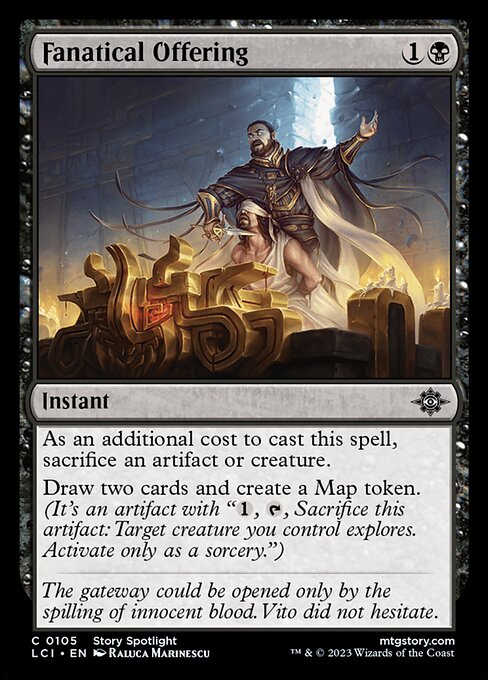
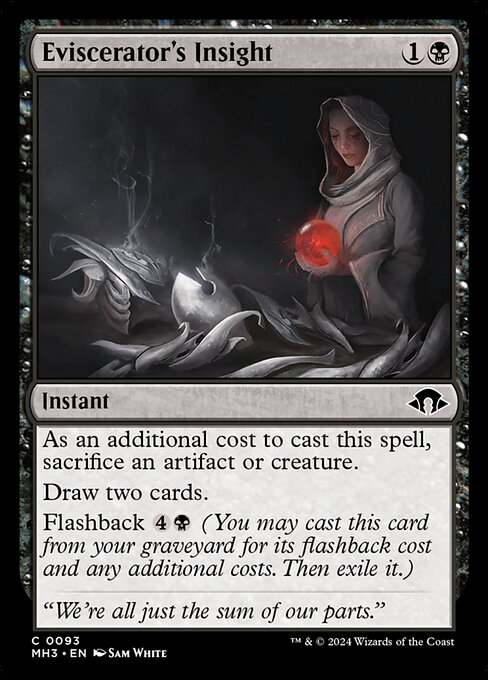
The engine has two halves that share the same fuel. Cauldron Familiar returns from the graveyard when you sacrifice a Food to its ability, and Lembas and Nutrient Block are the Foods that feed it, each return costing the opponent 1 life and giving you 1. The same artifacts, plus Ichor Wellspring and the Cat itself, pay the sacrifice costs of Fanatical Offering and Eviscerator's Insight, two cards each. Because Wellspring and Nutrient Block draw a card again when they hit the graveyard, the fodder replaces itself as you burn through it, so the draw spells rarely leave you short of things to sacrifice.
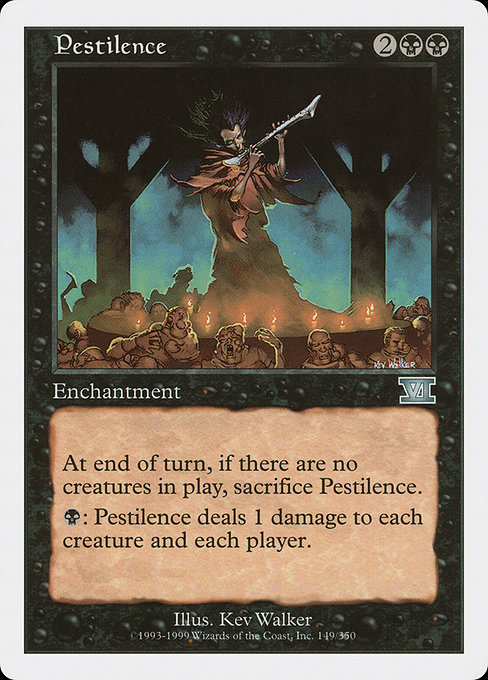
A game runs in three phases. First you develop: cheap artifacts and the Familiar on the early turns, keeping mana open for the removal spell you are holding. Then you cash in: chain Fanatical Offering and Eviscerator's Insight off the artifacts and the Cat to stay ahead on cards while each cracked Food brings the Familiar back for another drain. Once you have the mana for it, Pestilence turns every spare black mana into a point of damage to each creature and each player, with the Food lifegain covering your side of the symmetry. The close comes from the drains themselves, from Pestilence pointed at a low life total, and from Troll of Khazad-dûm, swampcycled early for a land or hardcast late as an attacker that needs three blockers to stop.
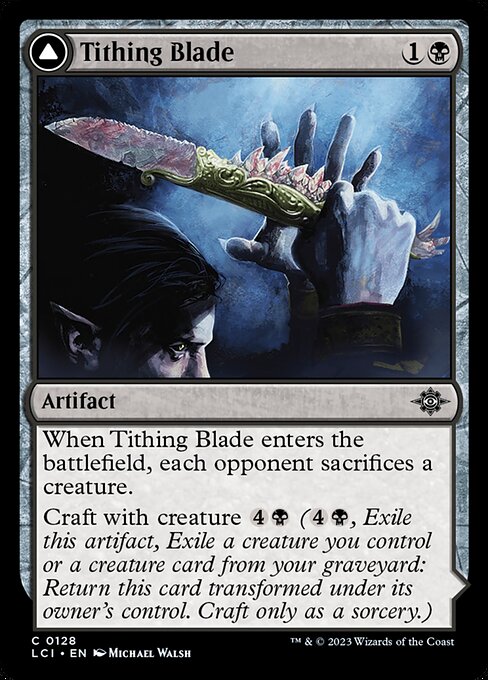
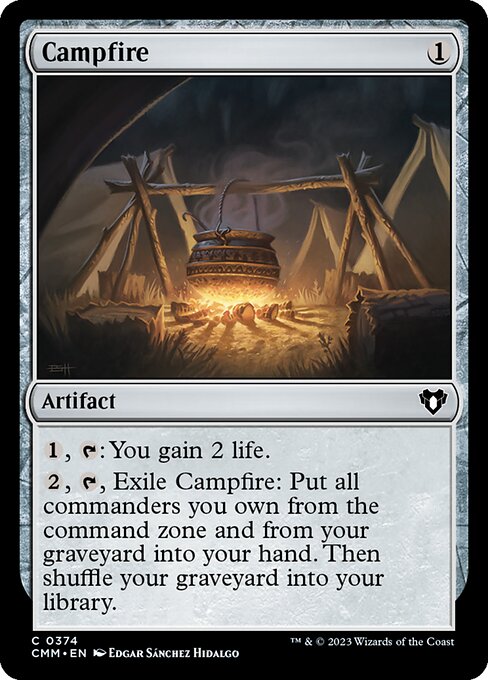
When the Familiar is exiled or the graveyard is otherwise shut off, the deck falls back on plain attrition. Cast Down, Tithing Blade's forced sacrifice, and Pestilence strip the opponent's board, Campfire and the Food activations keep your life total out of reach, and the game ends with a hardcast Troll of Khazad-dûm or with Tithing Blade crafted into Consuming Sepulcher, which drains the opponent every upkeep. Lembas shuffling itself back into the library and Bonder's Ornament turning extra mana into draws mean this slower version of the deck still does not run out of cards.
Graveyard exile is the disruption that actually hurts. With Cauldron Familiar exiled, the Foods stop draining, and Eviscerator's Insight loses its flashback, so the deck keeps functioning but loses its best engine and most of its late-game punch. Treat a Familiar in the graveyard as a card the opponent can attack, and return it before an exile effect can resolve when you have the Food to do so.
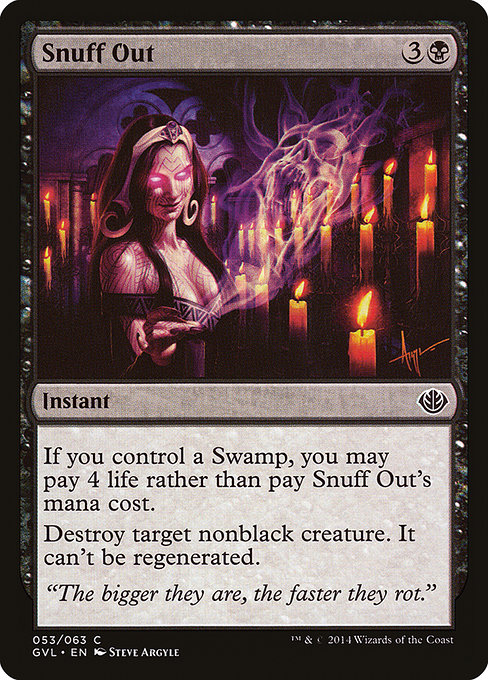
The other weakness is speed. The clock is among the slowest in the format, mostly one point at a time, and roughly half the lands enter tapped, so the deck often starts a half-turn behind. A fast, punishing start can end the game before the engine is assembled, and every point of pressure shrinks the room you have for the cards that cost life: Snuff Out's free mode and every Pestilence activation hit you as well.
The Cards
Cauldron Familiar
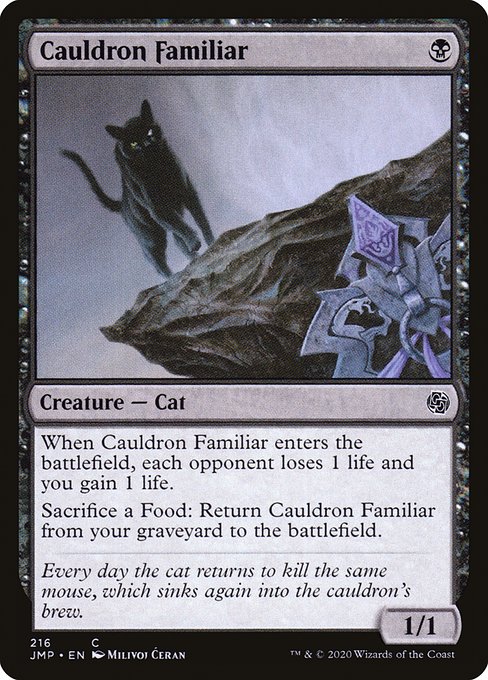
The Cat is the deck's engine and its main win route at the same time. Each time it enters, the opponent loses 1 life and you gain 1, and it returns from the graveyard at instant speed with no mana whenever you sacrifice a Food, which in this list means Lembas or Nutrient Block. It chump blocks, it pays the sacrifice cost of the draw spells, and it makes opposing spot removal nearly worthless.
Nutrient Block
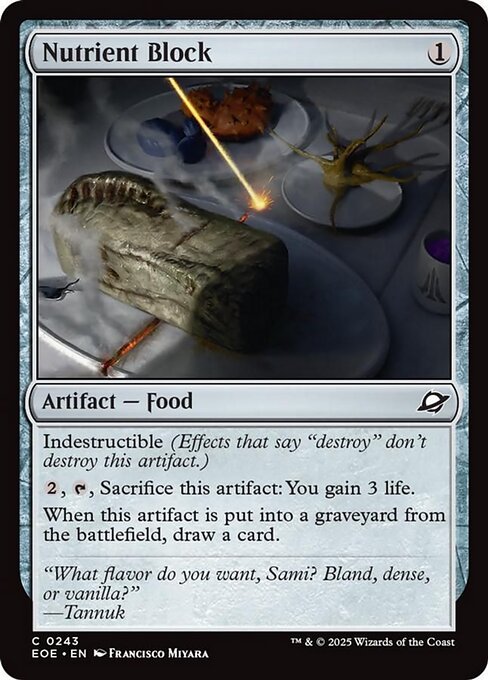
The cheapest piece of the engine and the best meal for the Cat. It is a Food for one mana, so it returns Cauldron Familiar from the graveyard, and it draws a card when it leaves the battlefield for the graveyard, so sacrificing it never costs you a card. Its lifegain activation is the fallback when you need 3 life more than you need a drain, and indestructible means artifact destruction cannot pick it off before you get to use it.
Lembas
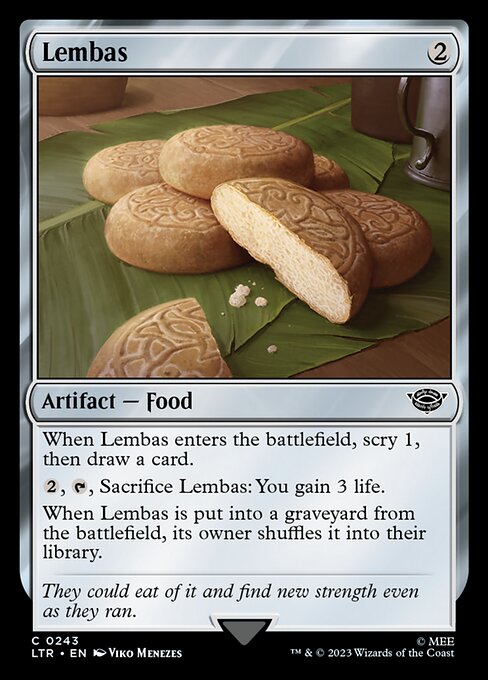
A Food that replaces itself on entry with a scry and a draw, then sits on the battlefield as fuel for the Cat or 3 life when you need it. Its distinctive trait is that it shuffles back into your library whenever it goes to the graveyard from the battlefield, which is why this deck almost never runs out of cards in a long game. That same trait makes it the last piece of fodder you want to sacrifice: Nutrient Block draws a card right now, Lembas only promises one later.
Ichor Wellspring
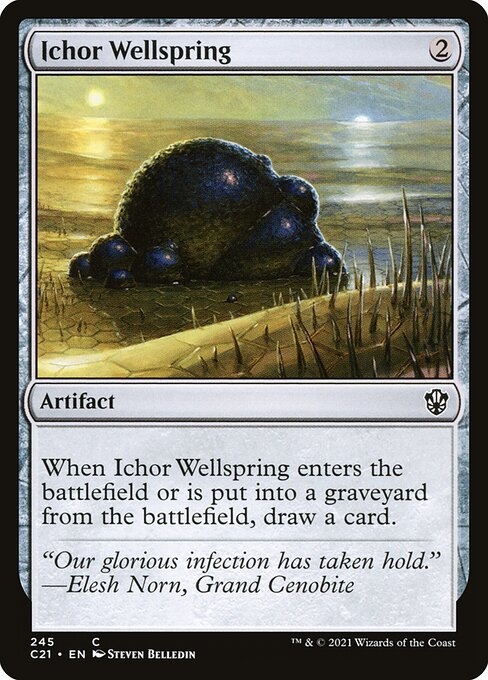
Two cards for two mana as long as something sacrifices it: one on entry, one when it goes to the graveyard from the battlefield. It is not a Food, so it cannot bring back ; its job is to be the artifact you feed to or while the Foods stay on the battlefield for the Cat.
Role Assignment
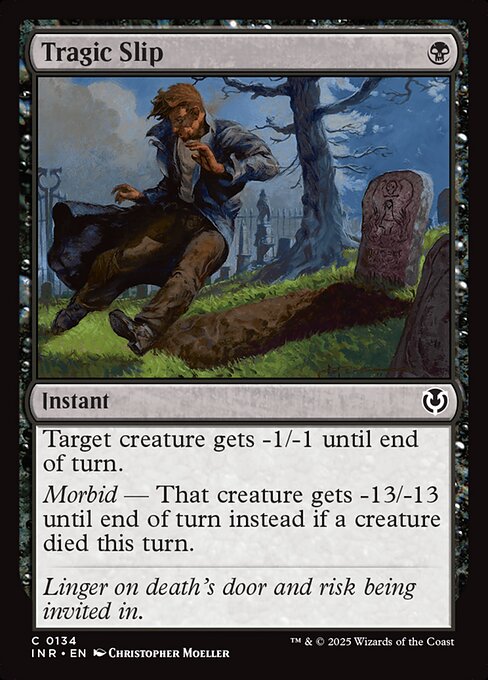
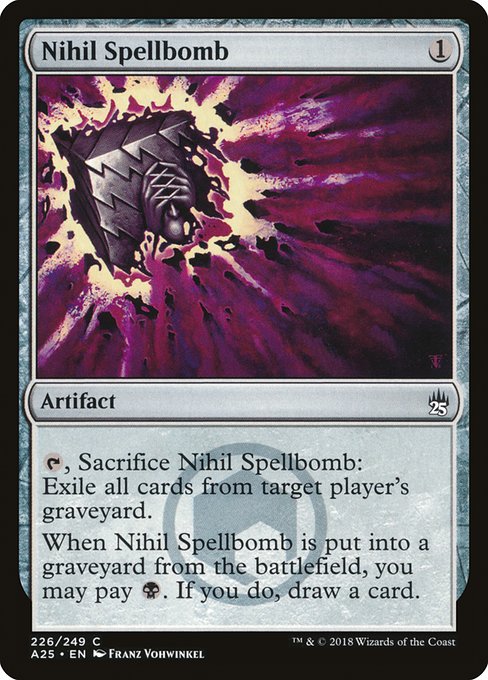
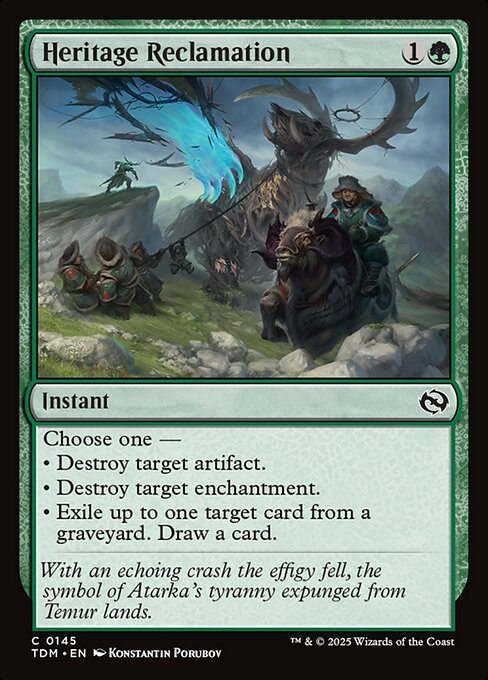
Food Gardens is a control deck with high inevitability and a tempo-negative shape: half its lands enter tapped, its interaction is a handful of cheap removal spells (Cast Down, Snuff Out, Tragic Slip, Grapple with Death, Tithing Blade) plus Pestilence as a sweeper and graveyard hate in Bojuka Bog, Nihil Spellbomb, and Heritage Reclamation, with no counterspells and no discard. Every matchup is fought on the same few axes: whether the opponent can exile the Cat or the graveyard, whether their clock outruns the lifegain, whether their creatures survive one-point pings, how many live targets each side's removal has, and who profits from a long game. Which role you take follows from where those axes land.
Vs. Aggro. Against creature aggro you are the control deck without question, and the game is a race between their clock and your lifegain. The Foods, Campfire, and Familiar drains make slow damage plans stall, and boards of one-toughness creatures simply die to Pestilence. The play that defines the role is chump blocking with Cauldron Familiar and buying it back with a Food at once, so their attack cost you only a Food and gained you a drain, while Cast Down waits for the one creature that actually outsizes the pings. Be careful with your own life as a resource here: Snuff Out's free mode and each Pestilence activation cut into the same buffer they are attacking.
Vs. Midrange. Against fair midrange decks that try to trade one for one, you are the control deck and you have inevitability. Their spot removal is stranded on a 1/1 that returns off any Food, which is virtual card advantage every time they cast it, while Eviscerator's Insight's flashback, Lembas shuffling back, and mean you do not run dry. The role play is crafting into once the board is under control: an upkeep drain they cannot block or race in an attrition game, with the Blade's forced sacrifice having already answered their one big creature.
Play Patterns
Spend Cauldron Familiar freely: chump block with it and feed it to sacrifice costs, because every Food you sacrifice later brings it back with another drain. The Cat is worth more in the graveyard than protected on the battlefield, and pilots who play it like a fragile creature miss the drains and the draws its deaths pay for. A Lembas or Nutrient Block on the battlefield turns the Cat's next death into a drain waiting to happen, at instant speed and for no mana, so blocking an attacker with it or sacrificing it to a draw spell costs you nothing real. The same logic makes opposing removal aimed at it close to a wasted card.
Before your own Pestilence activations clear every creature away, plan the end-step body: keep a Plant from Khalni Garden back, or have a Food ready to return Cauldron Familiar. Pestilence's sacrifice trigger only fires if there are no creatures as an end step begins, yours or the opponent's, so a Cat returned in response saves the enchantment. Sweeping the board clean and losing Pestilence along with it is the deck's most common self-inflicted blowout. With five Swamps and Pestilence in play, the line is to activate five times in the second main phase (5 damage to each creature and each player, the Cat dying to the first), let the empty-board trigger go on the stack at your end step, and sacrifice Nutrient Block in response: the Block draws a card, the Cat comes back with its drain, the trigger finds a creature and does nothing, and Lembas stays on the battlefield for next time. Doing the pinging during the end step itself also works, since the check already passed as the step began, but the opponent's end step brings a fresh check, so you still need a creature or a Food by then.
Sacrifice Ichor Wellspring and Nutrient Block ahead of Lembas: those two draw a card when they hit the graveyard, while Lembas only shuffles itself back into the library. The fodder looks interchangeable, but the graveyard triggers differ card by card, and choosing the wrong artifact quietly leaks a card every time. can only eat Foods, so Nutrient Block is its best meal, and Ichor Wellspring, which is not a Food, should go to the draw spells. Lembas is the piece you sacrifice last, when nothing that draws is left.